Nature and Scope of Human-Wildlife Conflict
Human-wildlife conflict encompasses a range of negative interactions, including crop damage, livestock predation, property destruction, and direct physical danger to people, arising when wildlife and human activities overlap spatially or compete for the same resources. Conflict intensity tends to increase as human development and agricultural expansion push further into previously undisturbed wildlife habitat, creating more frequent and closer-proximity interactions than existed under historical settlement patterns.
Agricultural and Livestock Impacts
Crop raiding by wildlife such as elephants, wild boar, or primates represents a major economic burden in many agricultural regions, sometimes destroying a substantial portion of a farming household’s annual income in a single incident. Livestock predation by large carnivores similarly threatens rural livelihoods, often triggering retaliatory killing of predators even when the targeted species holds legal protection. These economic pressures mean that effective conflict mitigation must address human livelihood concerns directly rather than relying solely on legal protection or enforcement.
Mitigation Strategies
Conflict mitigation employs both physical and behavioral interventions tailored to the specific species and context involved. Physical barriers, including electric fencing and trenches, can reduce crop raiding and livestock predation, though effectiveness varies by species and requires ongoing maintenance. Guardian animals, such as livestock-guarding dogs, have proven effective in reducing predation in various pastoral contexts. Early-warning systems, including community-based monitoring networks, help communities anticipate and avoid dangerous wildlife encounters before they escalate into conflict incidents.
Compensation and Insurance Programs
Financial compensation and insurance schemes for conflict-related losses aim to reduce the economic incentive for retaliatory wildlife killing, though program design significantly affects their success. Poorly administered compensation programs, involving long delays or inadequate payment relative to actual loss, often fail to achieve their intended behavior-change goals. Successful programs typically combine fair, timely compensation with complementary conflict-prevention measures rather than relying on compensation alone to resolve the underlying conflict dynamic.
Coexistence-Oriented Approaches
Contemporary conflict management increasingly emphasizes long-term coexistence strategies over purely reactive conflict response, incorporating land-use planning that maintains wildlife corridors away from human settlement, community education about wildlife behavior, and economic incentive structures such as ecotourism revenue-sharing that align local economic interests with wildlife presence rather than treating wildlife purely as a liability to be managed or removed.
Urban Wildlife Conflict
Human-wildlife conflict is not limited to rural agricultural settings; urban and suburban areas increasingly experience conflict with species such as coyotes, deer, and raccoons that have adapted successfully to human-modified landscapes. Urban conflict management often focuses on education about securing food waste and pet safety rather than the lethal or exclusionary methods sometimes used in agricultural contexts, reflecting different social tolerance levels and practical constraints within densely populated human environments.
Large Carnivore Conflict Specifically
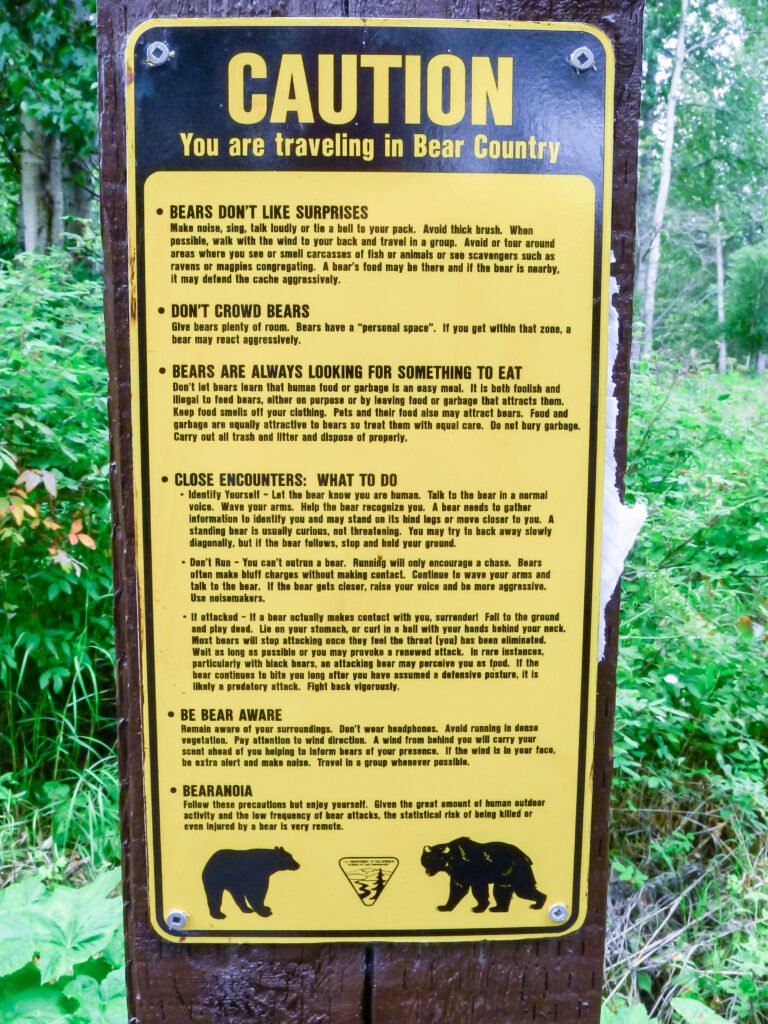
Conflict involving large carnivores such as wolves, bears, and big cats carries particular complexity given both the potential severity of direct human safety risk and the significant conservation value these species often hold. Management approaches range from non-lethal deterrents and translocation to, in some jurisdictions, regulated lethal removal of individual problem animals, with the appropriate response typically depending on the specific threat posed, the conservation status of the species involved, and applicable legal protections.
Policy and Legal Frameworks for Conflict Response
Many jurisdictions have developed specific legal frameworks governing permissible responses to human-wildlife conflict, balancing property owner rights against wildlife protection mandates for species holding legal conservation status. These frameworks typically establish graduated response protocols, favoring non-lethal deterrence before authorizing more severe intervention, and often require documentation or permitting even for legally sanctioned removal of conflict animals, reflecting the broader societal interest in wildlife conservation even amid genuine, serious conflict incidents.
Community-Based Conflict Prevention Programs
Community-based conflict prevention programs, which train and equip local residents to implement deterrent measures and respond appropriately to wildlife encounters, have shown promise in reducing both conflict incidence and retaliatory wildlife killing in various documented program evaluations. These programs often combine practical skill-building with broader education about the ecological and economic value of the wildlife species involved, aiming to shift community attitudes toward coexistence rather than purely reactive conflict management.
Role of Insurance and Risk-Sharing Mechanisms
Beyond direct compensation programs, some regions have developed more sophisticated insurance and risk-pooling mechanisms that spread the financial burden of wildlife-related losses across a broader base of stakeholders, including government, conservation organizations, and sometimes tourism revenue contributions. These mechanisms aim to provide more financially sustainable and predictable support than ad hoc compensation schemes, which can face funding shortfalls precisely when conflict incidents and associated losses are most severe.
As human populations and wildlife ranges continue to overlap more frequently, effective conflict management increasingly depends on proactive, well-funded coexistence strategies rather than reactive responses implemented only after conflict incidents have already caused significant harm to people, livelihoods, or wildlife populations.
Ultimately, durable coexistence depends on sustained investment, cross-sector collaboration, and genuine attention to the needs of both wildlife and the human communities who share their landscape.
Researchers studying conflict trends continue to refine predictive models that help agencies target prevention resources toward the locations and seasons where conflict risk is highest.
Those refinements continue to improve the cost-effectiveness and success rate of conflict mitigation programs implemented across diverse ecological and social settings.
Looking ahead, climate-driven shifts in species range and human development patterns are likely to introduce new conflict scenarios in regions with little historical experience managing these interactions, making flexible, well-resourced conflict management capacity an increasingly important investment for wildlife agencies worldwide.
Preparedness will matter most of all.
Lasting progress depends on it.
Every community benefits from it.
Key facts
- Array
Quick checkWhy do some conservation programs offer compensation payments to farmers who lose livestock to predators?Show answer
Compensation programs aim to reduce the economic incentive for retaliatory killing of predators by offsetting farmers' financial losses, recognizing that without such support, affected communities may view wildlife conservation as a direct economic burden, potentially undermining both conservation goals and farmer wellbeing.
Sources
- Array
Editorially reviewed by Specialty Digest Editorial TeamLast reviewed November 4, 2026Researched and drafted with AI assistanceReport an issue