Selection Indices and Multi-Trait Breeding Modern animal breeding programs typically rely on selection indices that combine multiple traits, such as growth rate, reproductive efficiency, disease resistance, and product quality, into a single composite breeding value, allowing breeders to balance competing priorities rather than optimizing for just one trait at the expense of others. These indices
Animal Breeding and Genetics Read More »
Animal breeding and genetics is the science of selecting and mating livestock to improve productivity, health, and other desired traits across successive generations.
Ruminant Versus Monogastric Digestion Animal nutrition must account for fundamental digestive differences between species, most notably the distinction between ruminants, such as cattle, sheep, and goats, whose multi-chambered stomachs host microbial fermentation capable of breaking down fibrous cellulose, and monogastric animals, including pigs and poultry, whose simpler single-chambered digestive systems require more easily digestible, energy-dense
Animal Nutrition Read More »
Animal nutrition is the science of formulating diets that meet the energy, protein, vitamin, and mineral requirements of livestock and other domesticated animals at different life stages.
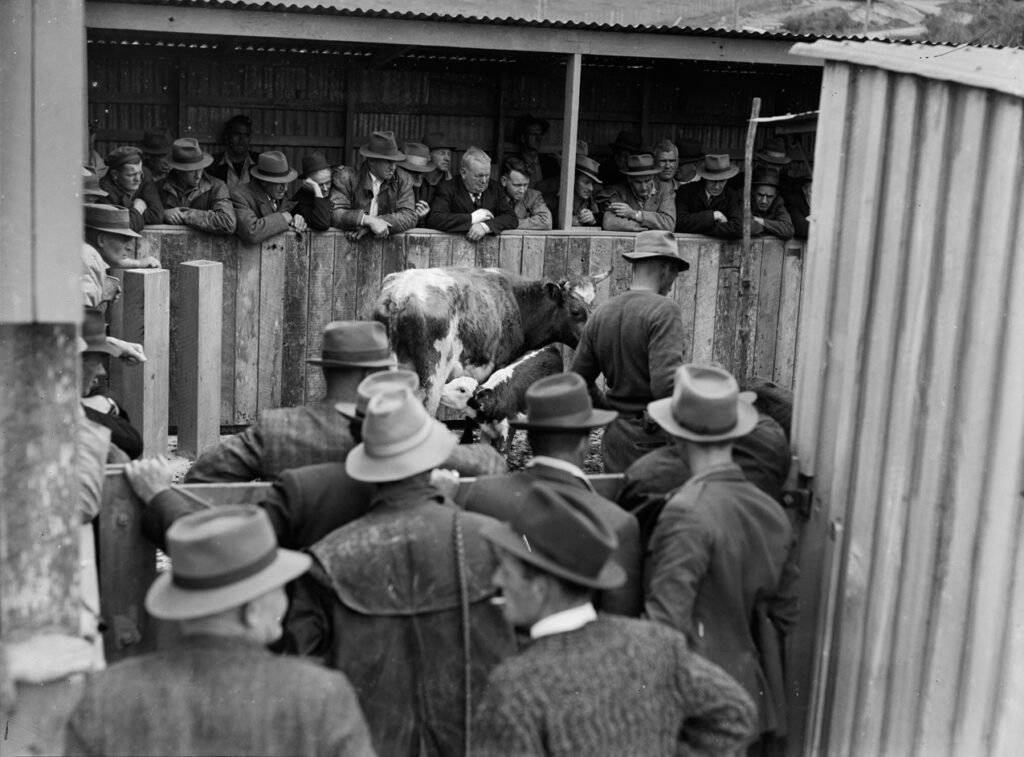
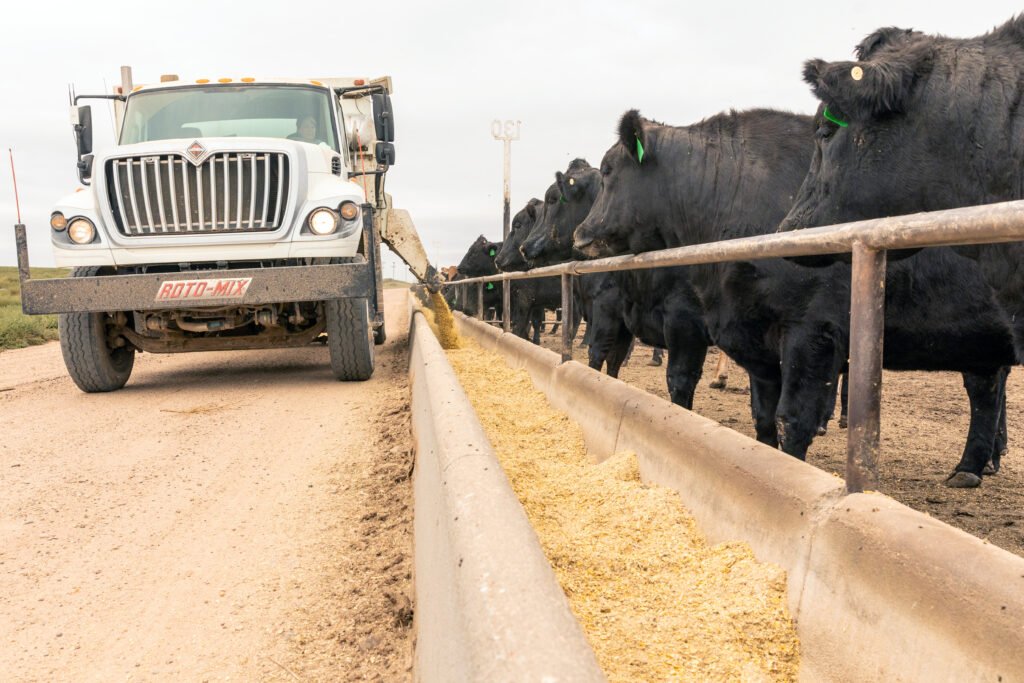
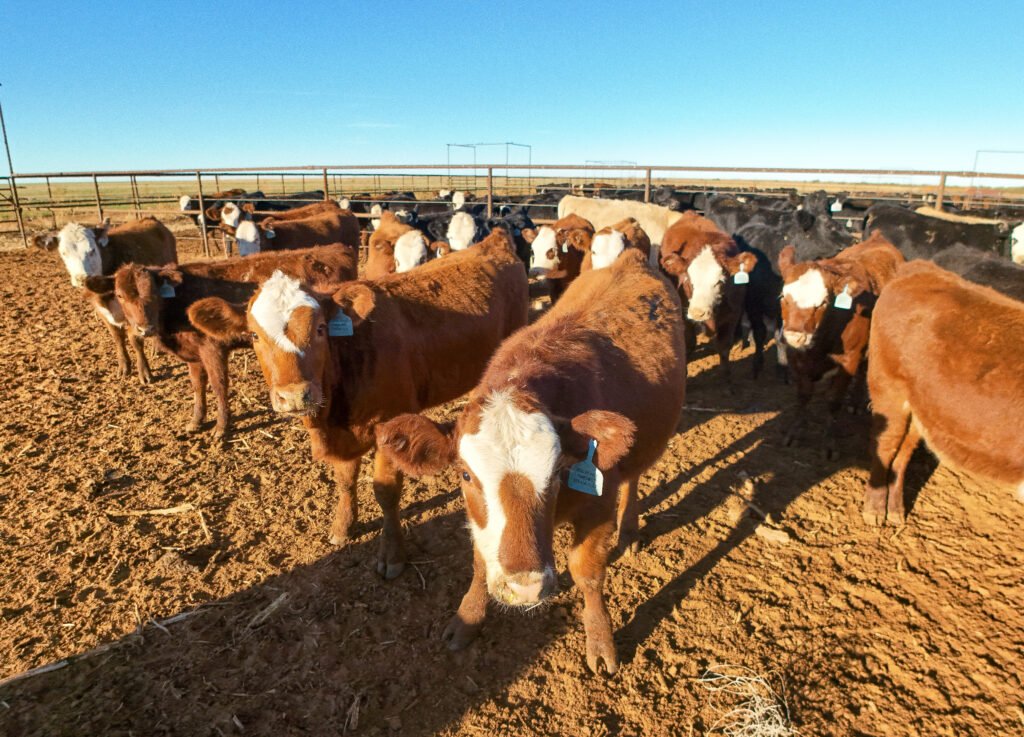
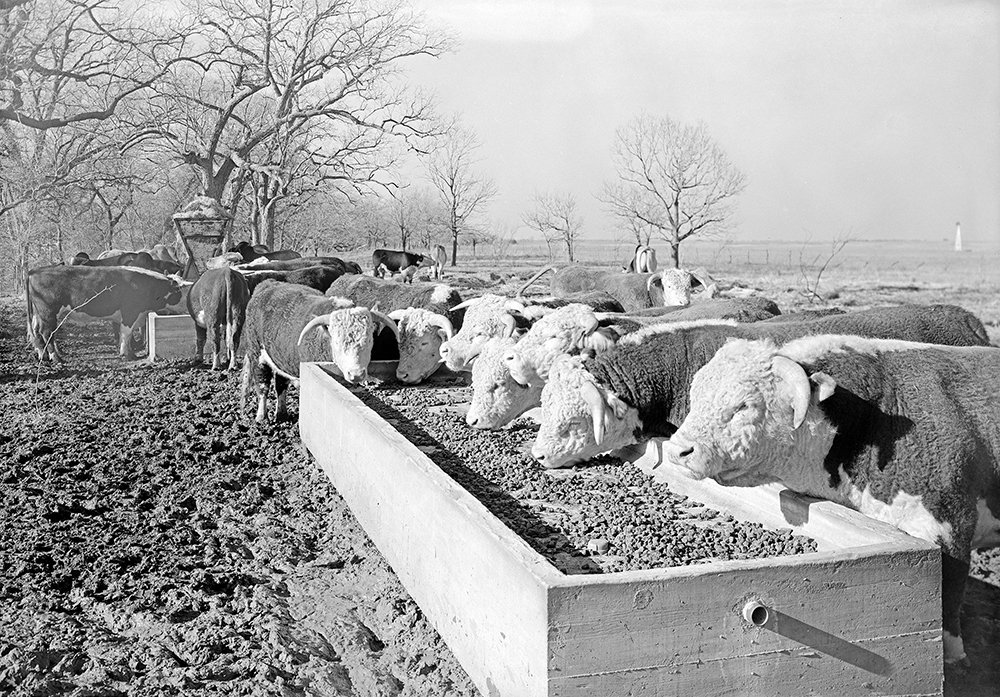
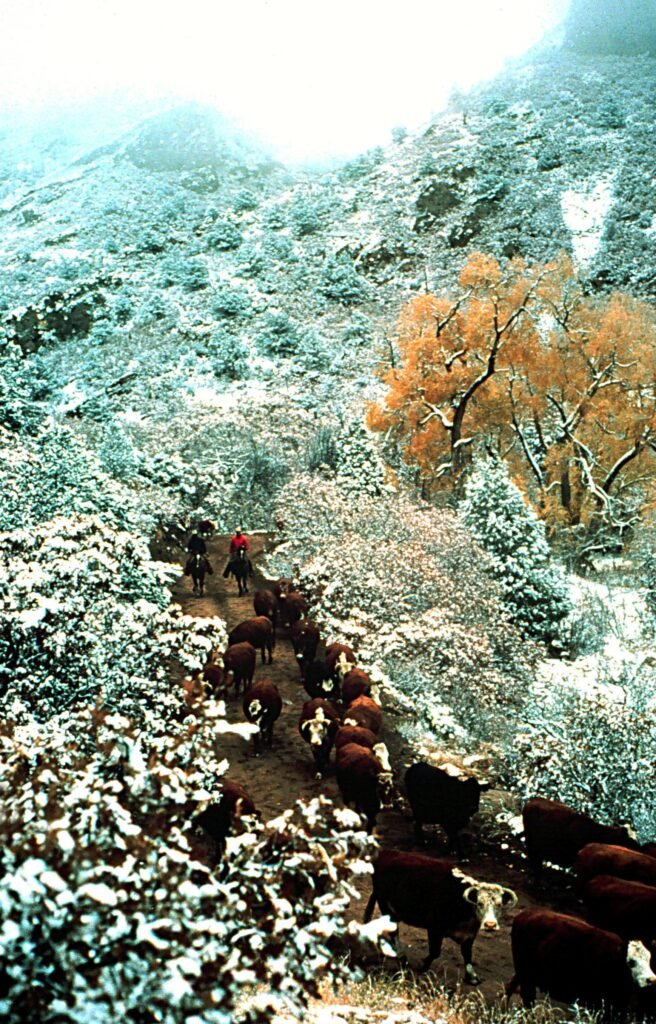
The Multi-Phase Production Chain Beef cattle production in most commercial systems moves through several distinct phases, beginning with cow-calf operations where breeding cows are maintained on pasture to produce and wean calves, followed by a stocker or backgrounding phase in which young cattle grow primarily on forage, and concluding with a feedlot finishing phase where
Beef Cattle Production Read More »
Beef cattle production is the raising of cattle specifically for meat, typically progressing through distinct cow-calf, stocker, and feedlot finishing phases before slaughter.
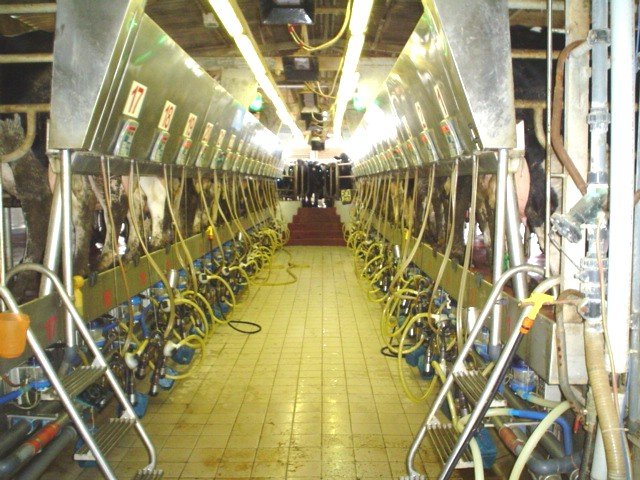
The Lactation Cycle and Production Timing Dairy cattle management revolves centrally around the lactation cycle, the period following calving during which a cow produces milk, which typically peaks several weeks after calving before gradually declining until the cow is dried off and rebred to begin the cycle again. Managing this cycle effectively requires careful attention
Dairy Cattle Management Read More »
Dairy cattle management is the specialized care, feeding, and breeding of cattle for milk production, encompassing lactation cycles, milking systems, and herd health.
Regulatory Variation Across Jurisdictions Livestock housing and welfare standards vary considerably between countries and even between regions within the same country, reflecting different cultural attitudes toward animal welfare, varying agricultural economic structures, and differing regulatory traditions, with some jurisdictions imposing detailed legally mandated space and housing requirements while others rely more heavily on voluntary industry
Livestock Housing and Welfare Standards Read More »
Livestock housing and welfare standards are the facility design requirements and animal care guidelines intended to ensure adequate space, comfort, and wellbeing for farm animals.
Core Components of Management Decisions Livestock management integrates several interdependent decision areas, including nutrition programs tailored to an animal’s age and production stage, health protocols covering vaccination and parasite control, housing and facility design appropriate to the species and climate, and breeding decisions that shape the genetic makeup of future generations. These components do not
Livestock Management Read More »
Livestock management is the practice of raising and caring for domesticated animals for agricultural production, covering nutrition, health, housing, and breeding decisions.
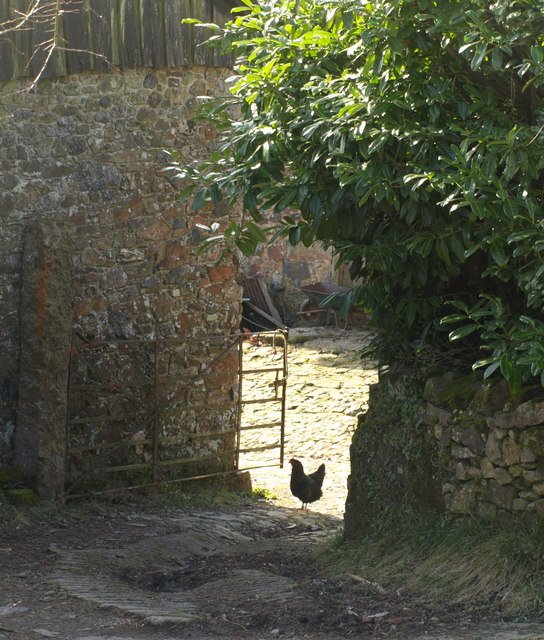
Divergent Paths for Meat and Egg Production Modern poultry farming has developed along two largely separate tracks: broiler production, raising chickens specifically selected and managed for rapid growth and meat yield typically harvested within weeks of hatching, and layer production, managing hens bred and fed specifically to sustain egg production over an extended laying period
Poultry Farming Read More »
Poultry farming is the raising of domesticated birds, primarily chickens, turkeys, and ducks, for meat and egg production on both commercial and small-scale operations.
Carrying Capacity and Sustainable Stocking A foundational concept in range and pasture management is carrying capacity, the number of animals a given area of land can sustainably support over time without degrading forage quality or long-term land productivity, which varies considerably based on climate, soil type, vegetation composition, and rainfall patterns specific to each location.
Range and Pasture Management Read More »
Range and pasture management is the practice of managing grazing land to sustainably support livestock production while maintaining forage quality and ecological health.
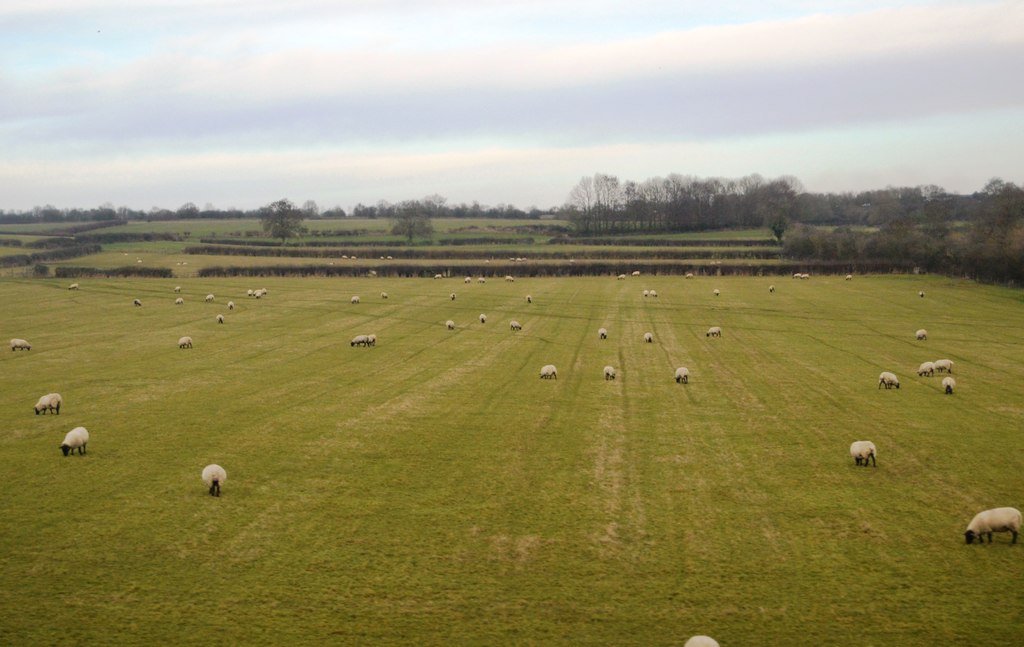
Utilizing Marginal Land Sheep and goat farming has long been valued for its ability to productively use marginal land, including steep hillsides, brushy terrain, and arid rangeland, that would be unsuitable or uneconomical for cattle grazing or crop production, since these smaller, more agile ruminants can navigate difficult terrain and extract nutrition from sparser or
Sheep and Goat Farming Read More »
Sheep and goat farming is the raising of small ruminants for meat, milk, fiber, or a combination of these products, often on land less suited to cattle or crop production.
Production Phases and Farm Specialization Swine production moves through distinct phases, including breeding and gestation, farrowing when sows give birth, a nursery phase for young weaned pigs, and a growing-finishing phase during which pigs reach market weight, with some operations managing all phases on a single farm under a farrow-to-finish model while others specialize in
Swine Production Read More »
Swine production is the raising of pigs for pork, encompassing breeding, farrowing, nursery, and growing-finishing phases across both large commercial operations and smaller farms.