Origins and Definition of Speciesism
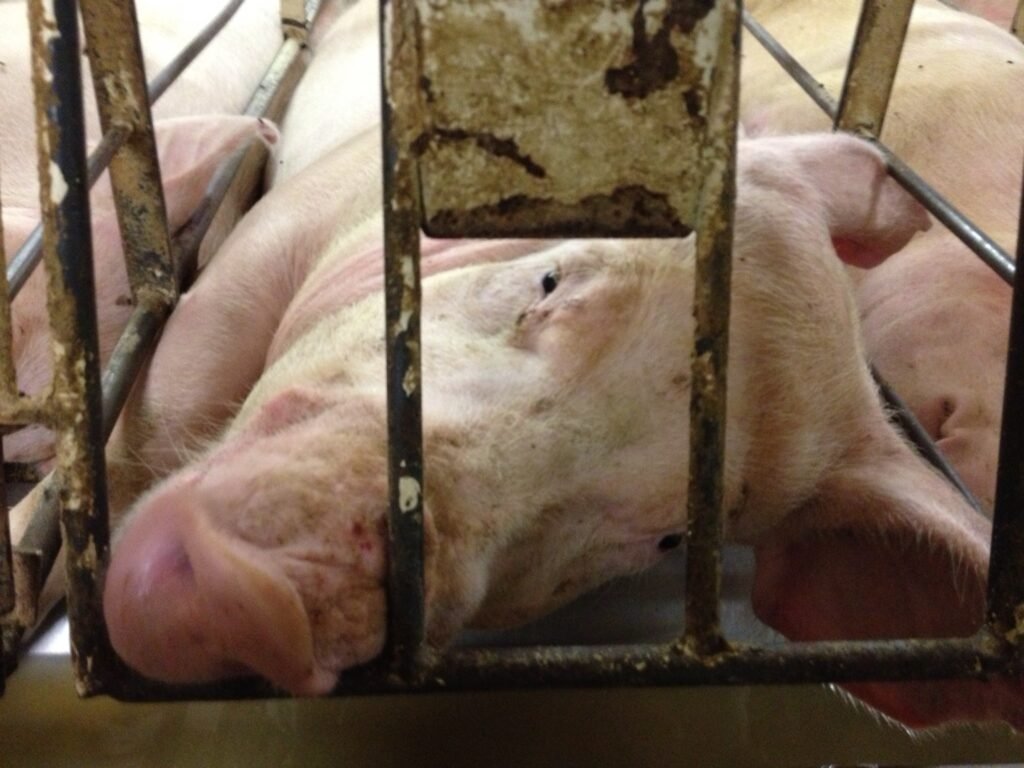
The term speciesism, popularized by philosopher Peter Singer in his influential 1975 work, describes the assumption that human interests automatically and categorically outweigh the interests of other sentient species, by analogy to other forms of discrimination based on group membership rather than individually relevant characteristics. The concept challenges the default assumption, common across much of human moral and legal tradition, that species membership alone provides sufficient justification for radically different treatment between humans and animals with comparable capacities for suffering.
Arguments Against Species-Based Discrimination
Critics of speciesism argue that morally relevant capacities, such as the capacity to suffer, self-awareness, or possessing interests that can be helped or harmed, rather than species membership itself, should determine an individual’s moral status and the consideration owed to them. On this view, excluding animals from moral consideration purely because they are not human parallels historical forms of discrimination that excluded humans from moral consideration based on similarly arbitrary characteristics such as race or sex, characteristics not relevant to actual moral status.
The Marginal Cases Argument
A frequently cited philosophical challenge to species-based moral distinctions is the marginal cases argument, which notes that some humans, including infants and individuals with severe cognitive impairments, lack the advanced cognitive capacities, such as rationality or complex self-awareness, sometimes cited as justifying human moral priority over animals. If such capacities are the genuine basis for differential treatment, consistency would seem to require either extending greater consideration to animals with comparable capacities or reducing consideration for humans who lack them, a conclusion most people find deeply counterintuitive, which critics argue exposes inconsistency in purely capacity-based justifications for human priority.
Defenses of Differential Treatment
Philosophers defending some degree of human moral priority have offered various responses, including appeals to species-typical capacities rather than strictly individual capacities, arguments from reciprocity and social contract theory suggesting moral obligations arise primarily between beings capable of mutual agreement, and arguments emphasizing the unique moral communities humans form with each other. These responses attempt to justify differential treatment without relying solely on species membership as an arbitrary, morally irrelevant distinguishing factor.
Practical and Policy Implications
Debates over speciesism carry substantial practical implications for policy areas including animal agriculture, research, and conservation, since accepting or rejecting speciesism as a coherent moral position shapes conclusions about which human uses of animals are ethically justifiable. While these philosophical debates remain unresolved, they have measurably influenced public discourse, legal developments recognizing animal sentience, and corporate and policy decisions regarding acceptable standards of animal treatment across multiple sectors.
Gradualist Versus Abolitionist Positions
Within animal ethics discourse, gradualist positions accept continued animal use provided welfare improves substantially over time, while abolitionist positions, often grounded in anti-speciesist reasoning, argue that genuine moral consistency requires eliminating most or all animal use regardless of welfare improvements. This tension shapes practical disagreements within animal advocacy movements about appropriate campaign strategies and policy goals, even among advocates who broadly agree that current animal treatment raises serious ethical concerns.
Intersections with Environmental Ethics
Speciesism debates increasingly intersect with environmental ethics, since questions about appropriate moral consideration for wild animal suffering, ecosystem management, and conservation priorities raise related but distinct questions from those concerning domesticated or captive animals. These intersections have prompted growing philosophical attention to how anti-speciesist reasoning might apply, or fail to apply straightforwardly, to wild animal welfare and broader ecological ethics questions beyond direct human-animal interaction.
Implications for Wild Animal Suffering
Extending anti-speciesist reasoning consistently raises challenging questions about wild animal suffering, since substantial suffering occurs in nature independent of human action, prompting some philosophers to argue that genuine moral consistency might require considering intervention to reduce wild animal suffering, a position that remains highly controversial even among those otherwise sympathetic to expanding moral consideration for animals. This debate illustrates how far-reaching consistent application of anti-speciesist principles can extend beyond more familiar debates about domesticated and captive animal treatment.
Continuing Relevance of the Debate
The speciesism debate continues to shape academic philosophy, animal advocacy strategy, and public policy discussions, even as practical consensus on many specific questions remains elusive. Its enduring influence reflects the genuinely difficult nature of the underlying question, namely what characteristics should determine moral status, a question with implications extending well beyond animal ethics into broader philosophical debates about the foundations of moral consideration itself.
Toward Greater Philosophical Clarity
Ongoing philosophical work continues to refine arguments on both sides of the speciesism debate, with some scholars working to develop more precise accounts of moral status that avoid both unjustified human exceptionalism and conclusions many find difficult to accept in practice. This continued refinement reflects the discipline’s broader commitment to rigorous argument even on questions where definitive resolution may remain elusive for the foreseeable future.
These questions will likely remain central to animal ethics scholarship for the foreseeable future.
That continued engagement reflects the genuine difficulty and lasting importance of the underlying philosophical questions at stake.
None of these questions are going away soon.
Graduate seminars in philosophy departments continue to treat this debate as a core topic within contemporary applied ethics coursework.
That continued academic attention ensures new generations of scholars keep engaging seriously with these foundational questions about moral status.
That engagement keeps the debate alive and evolving.
Philosophy journals and conferences continue publishing new contributions addressing the moral status of animals, ensuring the debate remains intellectually active rather than settled by past consensus. New empirical findings about animal cognition regularly prompt fresh rounds of argument and counterargument among scholars working on these questions.
More in Animal Welfare and Ethics
Key facts
- The term speciesism was popularized by philosopher Peter Singer in his 1975 book Animal Liberation.
- Critics of speciesism argue that morally relevant capacities like sentience, not species membership, should determine moral status.
- Defenders of some degree of human priority often cite factors such as reciprocity, social contracts, or unique human cognitive capacities.
- The marginal cases argument challenges whether species membership alone can coherently justify different treatment given that some humans lack capacities often cited as morally relevant.
Related concepts
Quick checkWhat is the marginal cases argument, and how does it challenge species-based justifications for differential treatment?Show answer
The marginal cases argument points out that some humans, such as infants or those with severe cognitive impairment, lack the advanced cognitive capacities, like rationality or self-awareness, that are often cited to justify treating humans differently from animals, suggesting that if such capacities are the real basis for moral status, consistency would require extending similar consideration to animals with comparable capacities, or denying it to humans who lack them, which most people intuitively reject.
Sources
- Peter Singer, Animal Liberation, 1975
- Journal of Applied Philosophy, moral status and species membership debates
Editorially reviewed by Specialty Digest Editorial TeamLast reviewed November 4, 2026Researched and drafted with AI assistanceReport an issue