The jet stream is a narrow band of fast-moving air found high in the atmosphere, typically 5 to 9 miles above the surface, where wind speeds can exceed 100 miles per hour and occasionally top 275 miles per hour in the most extreme cases. These powerful air currents form along the boundaries between major air
Jet Stream Read More »
The jet stream is a narrow band of fast-moving high-altitude wind that steers storms and strongly shapes mid-latitude weather patterns.
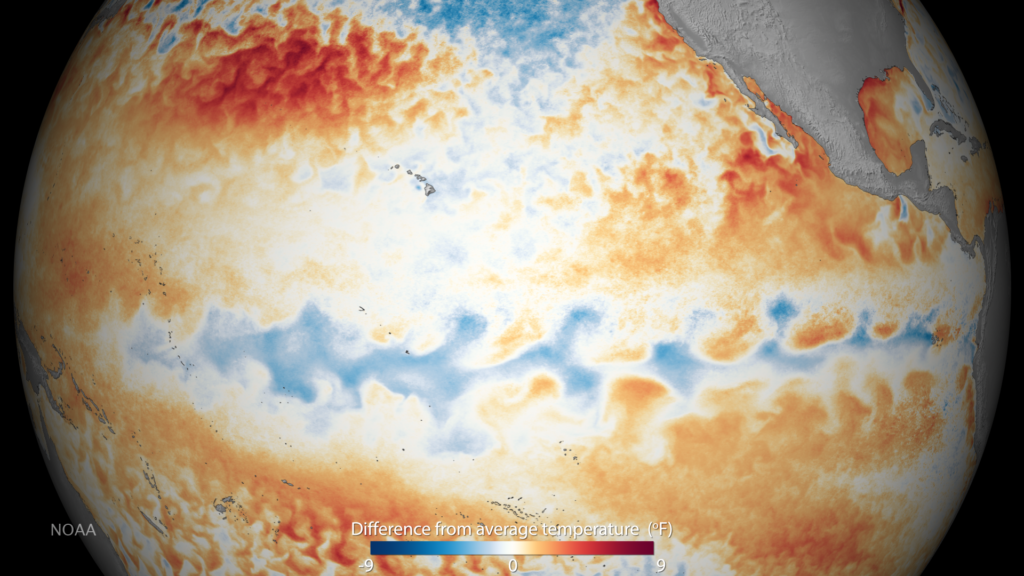
La Nina is the cooler counterpart to El Nino, part of the El Nino-Southern Oscillation (ENSO) cycle that governs much of the planet’s year-to-year climate variability. It occurs when sea surface temperatures across the central and eastern tropical Pacific Ocean drop below their long-term average, typically by half a degree Celsius or more, sustained over
La Nina Read More »
La Nina is the cooler phase of the El Nino-Southern Oscillation, marked by below-average sea surface temperatures in the central and eastern tropical Pacific.
In simple terms Methane is the simplest hydrocarbon: one carbon atom bonded to four hydrogen atoms, written CH4. It is colorless and has no smell of its own, so gas suppliers add one. It is the main ingredient of natural gas. It is also a greenhouse gas, meaning it traps heat that would otherwise leave
Methane Read More »
Methane is a colorless gas, the main component of natural gas, and the second largest human-driven contributor to global warming after carbon dioxide.
A monsoon is a large-scale seasonal reversal of wind direction that brings a pronounced wet season to a region, most famously across South Asia, but also affecting parts of Africa, Australia, and North America. The term derives from the Arabic word “mawsim,” meaning season, reflecting its long history of importance to sailors and traders who
Monsoon Read More »
A monsoon is a large-scale seasonal reversal of wind direction that brings a pronounced wet season, most notably across South Asia.
The ozone layer is a region of Earth’s stratosphere, roughly 9 to 18 miles above the surface, where the concentration of ozone molecules is naturally much higher than elsewhere in the atmosphere. This layer absorbs the vast majority of the sun’s harmful ultraviolet-B and ultraviolet-C radiation before it can reach the surface, making it essential
Ozone Layer Read More »
The ozone layer is a region of the stratosphere with a high concentration of ozone that absorbs most of the Sun's harmful ultraviolet radiation.
The polar vortex is a large, persistent area of low pressure and cold air that circulates in the upper atmosphere above both of Earth’s poles, intensifying during the winter months when polar regions receive little or no sunlight. It is not a single storm but rather a broad band of fast-moving westerly winds, often located
Polar Vortex Read More »
The polar vortex is a persistent band of cold air and fast winds circling each pole, whose weakening can send Arctic air into the mid-latitudes.
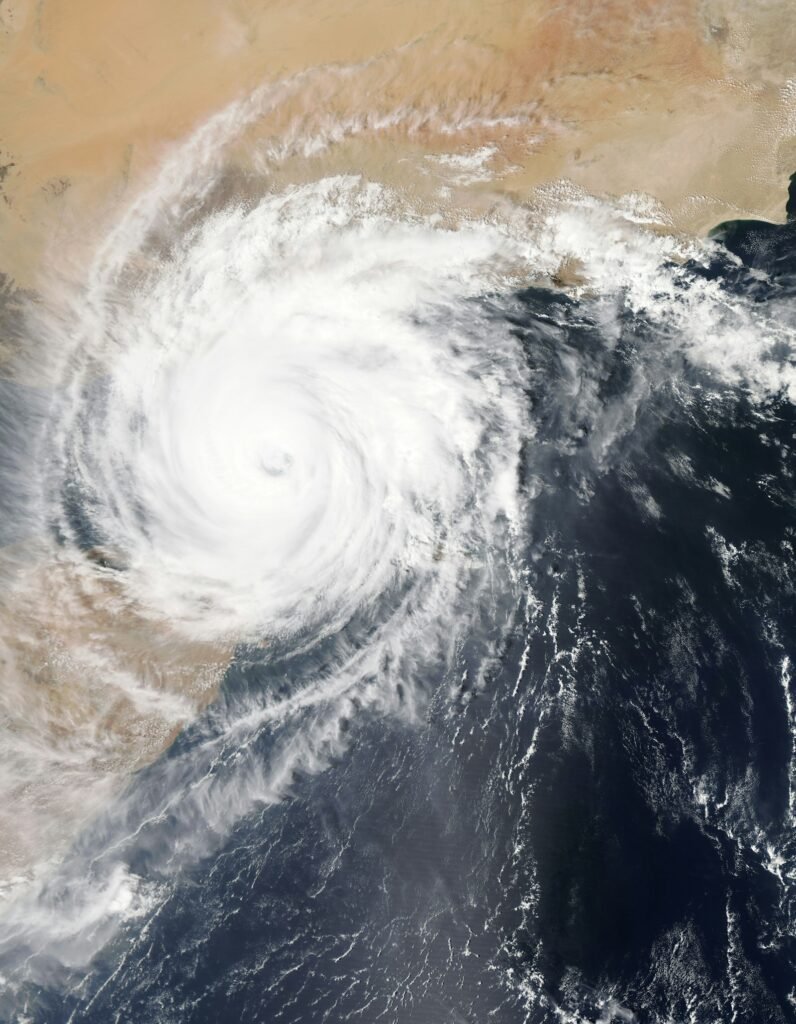
In simple terms A typhoon is a powerful rotating storm that forms over warm tropical ocean water. It is the same kind of storm as a hurricane. The name depends only on where the storm happens. In the northwest Pacific it is a typhoon. In the North Atlantic and the central and eastern North Pacific
Typhoon Read More »
A typhoon is a tropical cyclone in the northwest Pacific whose sustained winds reach about 119 kilometers per hour or more.
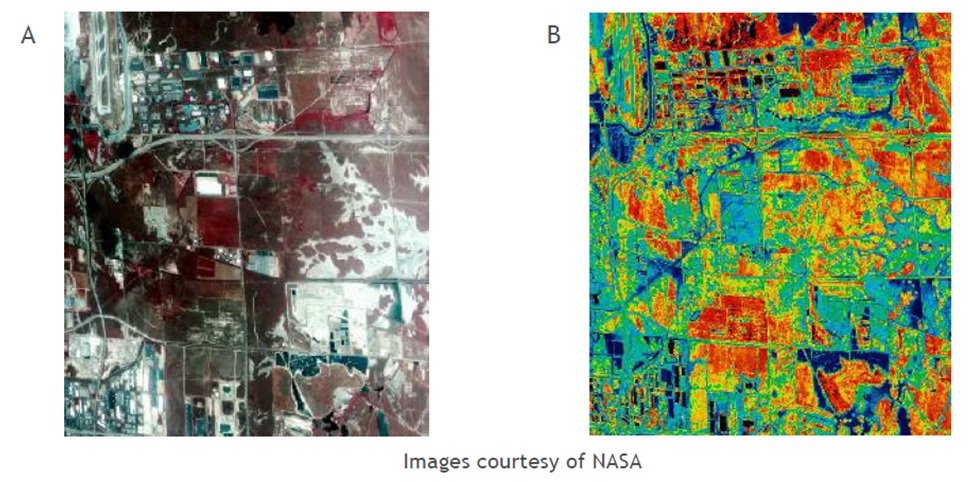
An urban heat island is the measurable phenomenon in which a city or built-up area experiences significantly higher temperatures than the surrounding rural or less-developed landscape, particularly at night. The effect arises because pavement, rooftops, and other dark, dense building materials absorb solar radiation during the day and release it slowly after sunset, while the
Urban Heat Island Read More »
The urban heat island effect is the tendency for cities to be significantly warmer than surrounding rural areas due to pavement, buildings, and lost vegetation.
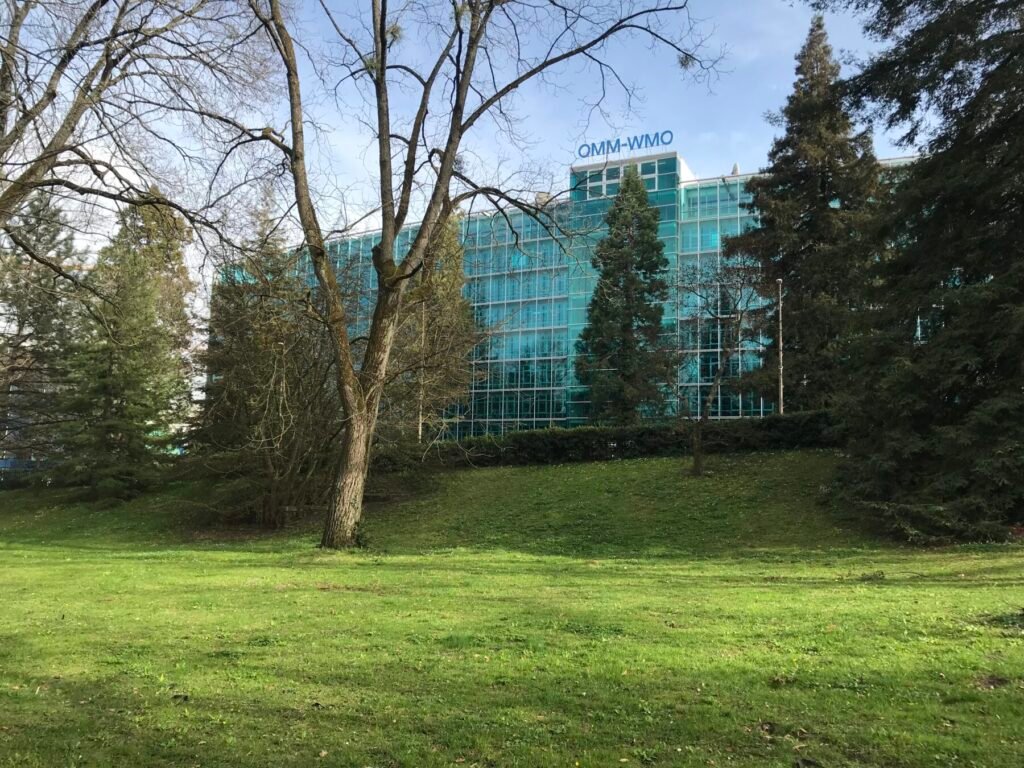
The World Meteorological Organization (WMO) is the specialized agency of the United Nations responsible for weather, climate and water. Headquartered in Geneva, it has 194 Members and sets the standards that let national weather services share observations and forecasts across borders. History of the World Meteorological Organization WMO’s roots go back to 1873 and the
World Meteorological Organization Read More »
The World Meteorological Organization is the UN specialized agency for weather, climate and water, based in Geneva with 194 Members.