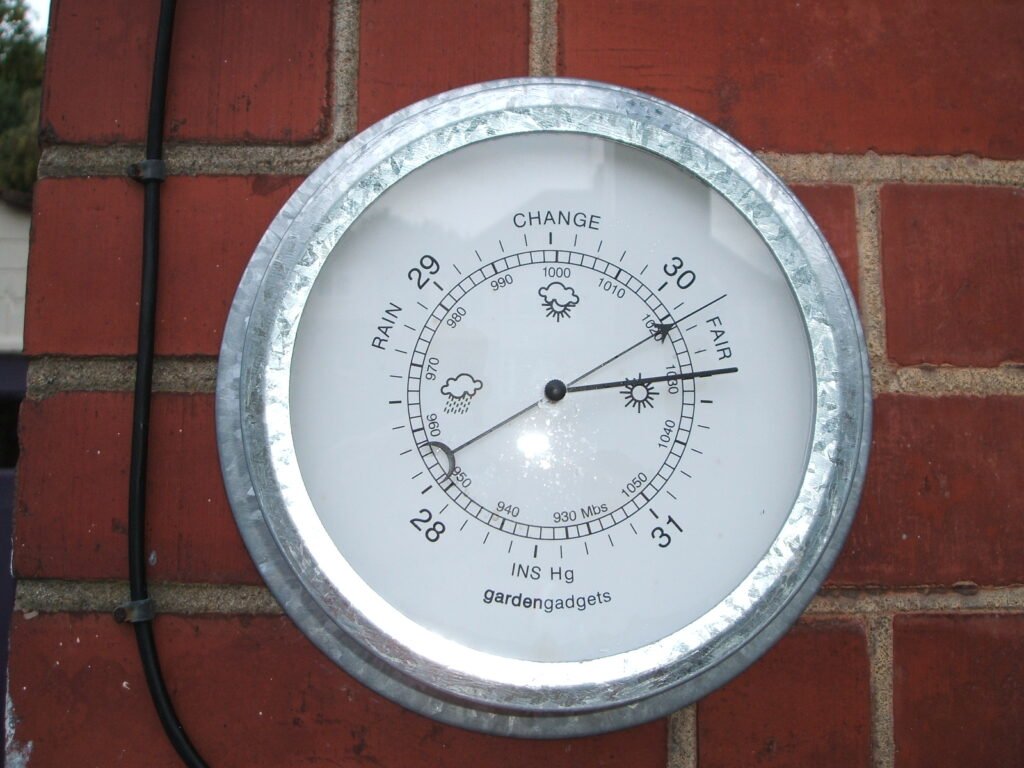
A barometer is an instrument that measures atmospheric pressure, the force of the air pressing on a surface. The first working version, a column of mercury held up in a glass tube, was built in Italy in the 1640s by Evangelista Torricelli. Barometers are now used mainly in weather forecasting and for measuring altitude. History
Barometer Read More »
A barometer measures atmospheric pressure; Torricelli built the first mercury version in the 1640s, and aneroid models followed in 1843.
A carbon footprint is the total amount of carbon dioxide, and often other greenhouse gases converted into a carbon dioxide equivalent, linked to the activities of a person, organization, product, or country, usually measured in tons of CO2 or CO2 equivalent per year. It covers both direct emissions, such as fuel burned in a car,
Carbon footprint Read More »
A carbon footprint is the total greenhouse gas emissions, measured in tons of CO2 equivalent, linked to a person, organization, or activity.
In simple terms A carbon sink is anything that takes in more carbon than it gives back, so its net effect is to pull carbon dioxide out of the air and hold it somewhere else. The ocean, forests and soils are the large natural ones. The opposite is a carbon source, which releases more than
Carbon sink Read More »
A carbon sink is anything that absorbs and stores more carbon than it releases, such as the ocean, forests or soils.
Climate change is a long-term shift in the average weather patterns that define Earth’s climates, including temperature, precipitation, and wind patterns, measured over decades rather than days or years. Since the mid-20th century, human activity, chiefly the burning of fossil fuels, has been the main driver of the changes scientists have observed, though natural factors
Climate change Read More »
Climate change is a long-term shift in Earth's average weather patterns, driven mainly by human greenhouse gas emissions since the mid-20th century.
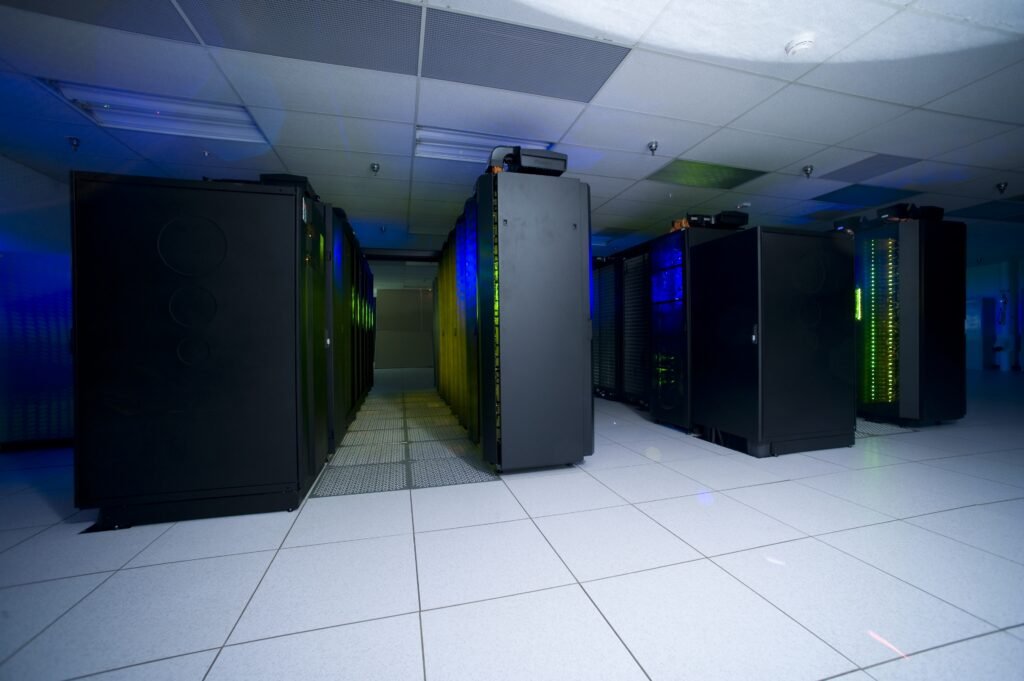
A climate model is a computer-based representation of Earth’s climate system that uses mathematical equations describing physical laws to simulate how the atmosphere, oceans, land surface, and ice interact over time. These models range from simple energy-balance calculations that can run on a laptop to enormous general circulation models that require some of the world’s
Climate Model Read More »
A climate model is a computer-based simulation of Earth's climate system used to understand climate processes and project future change.
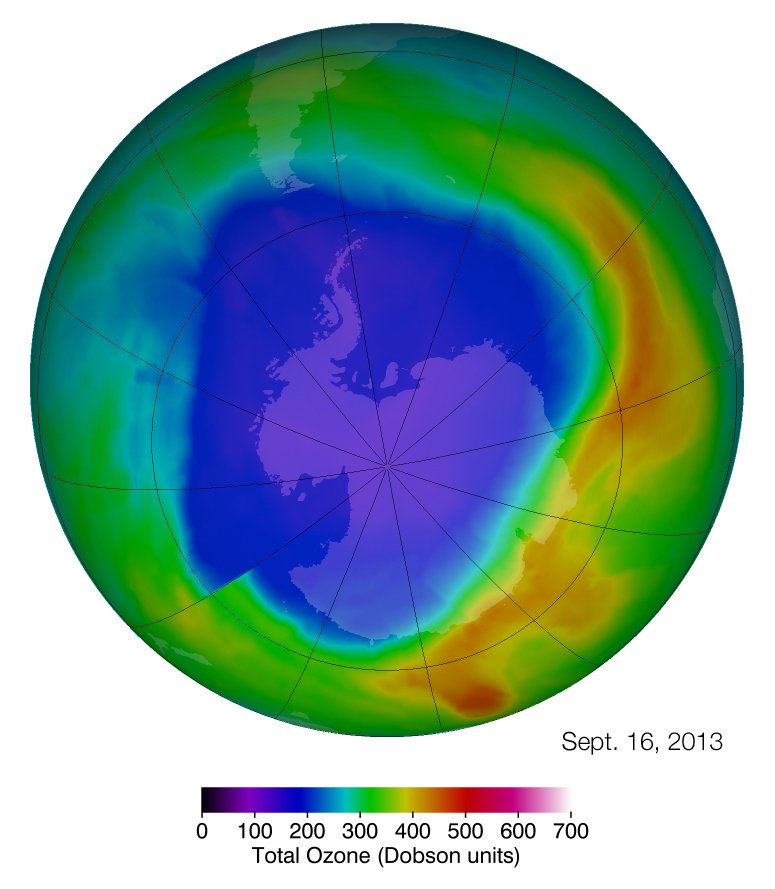
The Antarctic ozone hole is a large area of severely thinned ozone over Antarctica that appears every spring in the Southern Hemisphere. Scientists Joe Farman, Brian Gardiner and Jonathan Shanklin of the British Antarctic Survey reported it in the journal Nature in May 1985, and follow-up research linked it to human-made chemicals containing chlorine and
Discovery of the ozone hole Read More »
In May 1985, British Antarctic Survey scientists reported that ozone over Antarctica was disappearing each spring, later traced to CFCs.
Drought is a prolonged period of below-normal precipitation severe enough to cause a serious water shortage for some activity, population, or ecosystem. Unlike a flood or a storm, drought has no single clear starting point or visible event marking its arrival; it develops gradually as a rainfall deficit accumulates, and its real severity is usually
Drought Read More »
Drought is a prolonged period of below-normal precipitation severe enough to cause a serious water shortage.
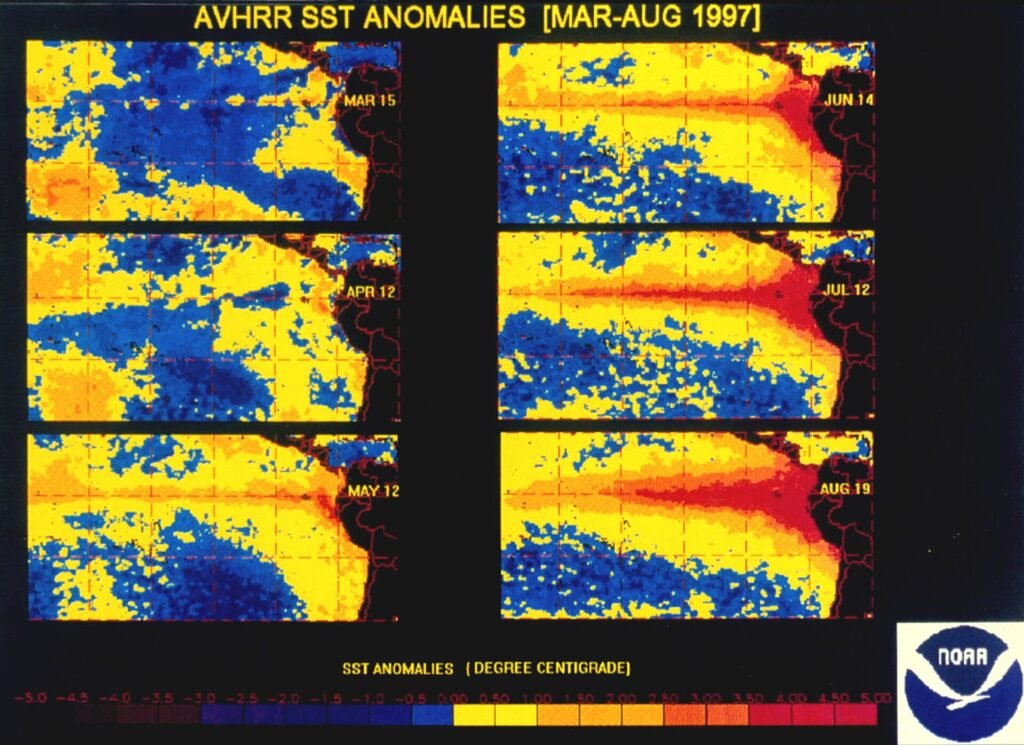
In simple terms El Nino is the warm phase of a climate pattern in the tropical Pacific Ocean that shifts rainfall and temperature in many parts of the world. Its cold counterpart is La Nina, and the whole cycle is called the El Nino-Southern Oscillation, or ENSO. Unusually warm surface water in the central and
El Nino Read More »
El Nino is the warm phase of a tropical Pacific climate pattern that shifts weather around the world.
The greenhouse effect is the process by which certain gases in Earth’s atmosphere trap some of the heat radiating from the planet’s surface, keeping the surface warmer than it would be if that heat escaped directly into space. The effect is named for the way glass traps warmth inside a greenhouse, though the atmosphere actually
Greenhouse effect Read More »
The greenhouse effect is the process by which gases in the atmosphere trap outgoing heat, warming Earth's surface beyond what sunlight alone would produce.
A heat wave is a prolonged period of excessively hot weather, usually accompanied by high humidity, that lasts for two or more consecutive days and significantly exceeds the typical temperatures expected for a given location and time of year. Unlike a single hot day, a heat wave represents a sustained departure from normal conditions, and
Heat Wave Read More »
A heat wave is a prolonged period of excessively hot weather lasting two or more days that significantly exceeds typical conditions for a region.