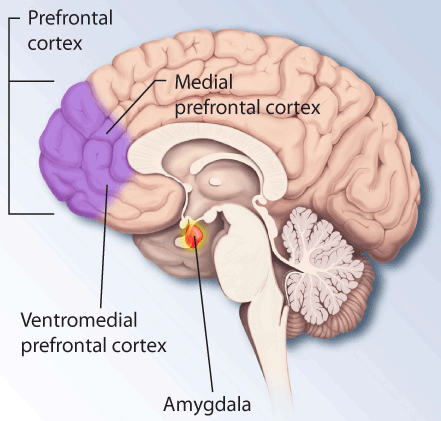
Post-traumatic stress disorder, commonly abbreviated as PTSD, is a mental health condition that can develop after a person experiences or witnesses a deeply distressing or life-threatening event, such as combat, a serious accident, assault, or a natural disaster. While many people experience some distress after a traumatic event, PTSD is diagnosed when specific symptoms persist
Post-traumatic stress disorder Read More »
A mental health condition that can develop after experiencing or witnessing a deeply distressing or life-threatening event.
In simple terms Primary aldosteronism is a hormone disorder in which the adrenal glands, which sit on top of the kidneys, release too much aldosterone. The extra hormone pushes blood pressure up. It is also called Conn syndrome. The word primary means the problem starts in the adrenal glands themselves. How it works Aldosterone tells
Primary aldosteronism Read More »
Primary aldosteronism is a disorder in which the adrenal glands make too much aldosterone, which raises blood pressure.
In simple terms A prognosis is a forecast, not a verdict. It is a medically informed prediction about the likely outcome of a condition. It answers a different question from a diagnosis. Diagnosis names what the problem is. Prognosis estimates where it is heading. How it works Clinicians weigh several things: the type of condition,
Prognosis Read More »
A prognosis is a medically informed estimate of how a condition is likely to develop, and how likely recovery is.
In simple terms Progression-free survival, usually shortened to PFS, is a way of measuring whether a treatment is working in a clinical trial. It counts the time from the moment a patient is randomly assigned to a treatment group until the disease objectively worsens or the patient dies, whichever happens first. How it works The
Progression-free survival Read More »
Progression-free survival is the time from randomization in a trial until a patient disease objectively worsens or they die, whichever comes first.
In simple terms A randomized controlled trial, usually shortened to RCT, is an experiment on people. Some receive the treatment being tested and others do not, and who gets what is decided by chance. Chance is the whole point. It is the most reliable way to make the groups comparable before the treatment starts. How
Randomized controlled trial Read More »
A randomized controlled trial tests a treatment by assigning participants to groups purely by chance, then comparing what happens to each group.
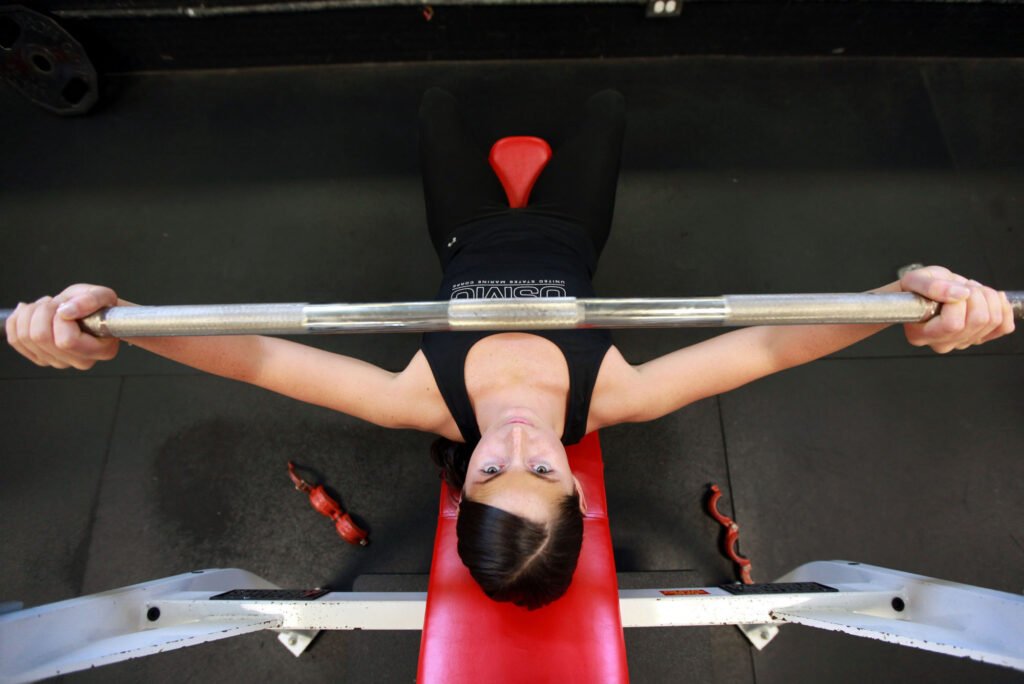
Resistance training is a form of exercise in which muscles contract against an external force, such as free weights, resistance bands, weight machines, or a person’s own body weight, with the goal of improving muscular strength, endurance, size, or power. It is distinct from purely aerobic exercise like running or cycling in that its primary
Resistance training Read More »
Exercise in which muscles contract against an external force to improve strength, size, or power.
Sepsis is a life-threatening medical emergency that occurs when the body’s response to an infection becomes dysregulated and begins to injure its own tissues and organs rather than simply fighting off the invading pathogen. Rather than being caused directly by the infection itself, sepsis results from the body’s own overwhelming and poorly controlled inflammatory response,
Sepsis Read More »
A life-threatening condition in which the body's dysregulated response to infection damages its own tissues and organs.
In simple terms A side effect is an unwanted result of taking a medicine. The US Food and Drug Administration describes side effects as unwanted undesirable effects that are possibly related to a drug. They are not a sign that something has gone wrong with the medicine. Almost any drug that does something useful can
Side effect Read More »
A side effect is an unwanted effect of a medicine or treatment, separate from the benefit it is meant to give.
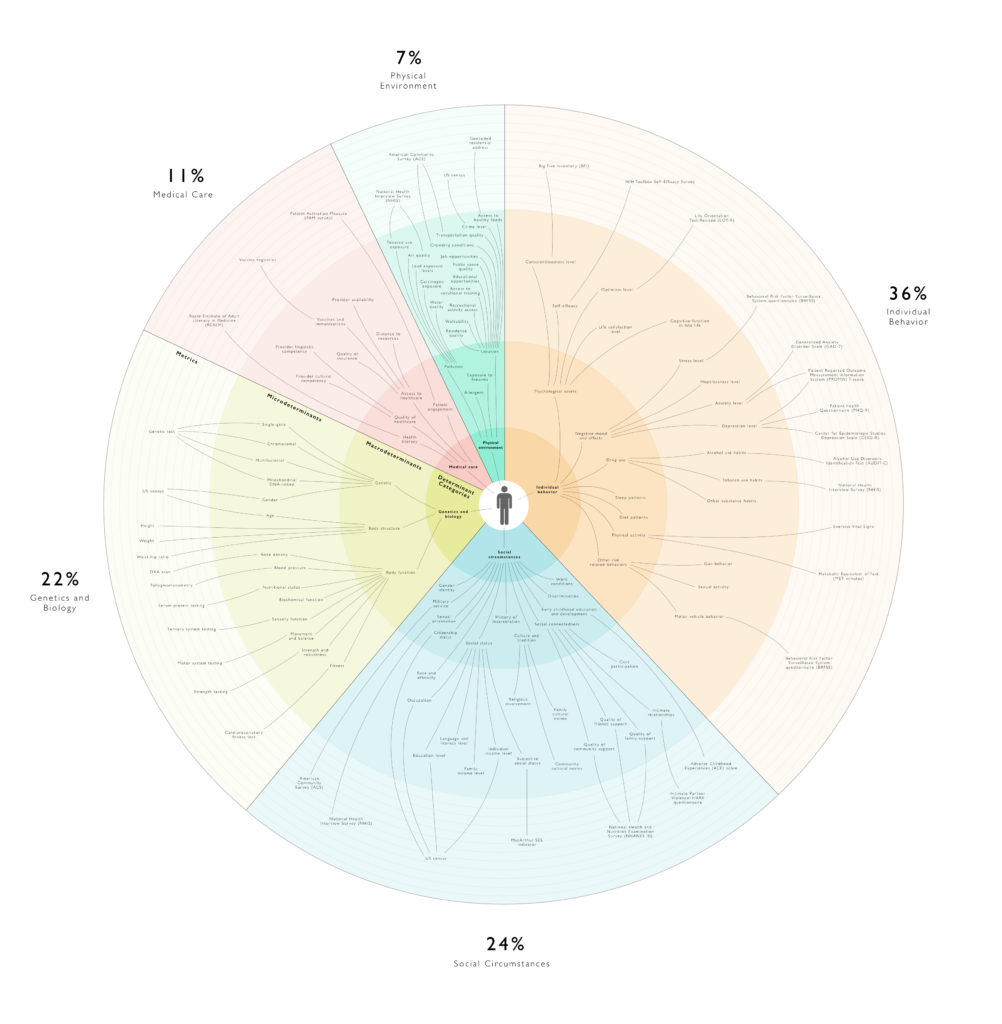
Social determinants of health are the non-medical conditions in which people are born, grow, live, work, and age that significantly shape health outcomes, often having as much or more influence on a population’s overall health than clinical medical care provided by hospitals and clinics. These factors include economic stability, education, the physical neighborhood and built
Social determinants of health Read More »
The non-medical conditions in which people live that significantly shape health outcomes, often more than clinical care itself.
The stethoscope is a medical instrument that carries sounds from inside the body, mainly from the heart and lungs, to the ears of a clinician. The French physician René Laënnec invented the first one in 1816 in Paris, and the device has since become the best-known symbol of medicine. History of the stethoscope Before 1816,
Stethoscope Read More »
A medical instrument that carries sounds from the heart, lungs and other organs to the clinician's ears, invented by René Laënnec in 1816.