Telemedicine is the delivery of healthcare services remotely using telecommunications technology, allowing patients and clinicians to connect for consultations, diagnosis, and ongoing care management without requiring a physical, in-person office visit. What began decades ago, using early tools like telephone consultations and later basic video links, as a way to extend specialist care to remote
Telemedicine Read More »
The delivery of healthcare services remotely using telecommunications technology.
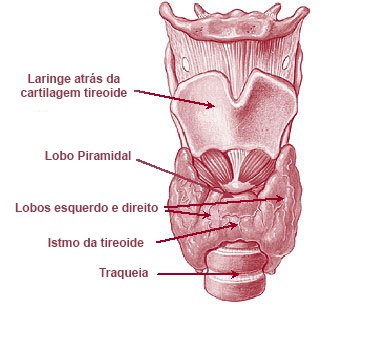
Thyroid hormone refers to the hormones produced by the thyroid gland, a butterfly-shaped organ in the neck, that regulate metabolic rate and influence nearly every cell and organ system in the body. The thyroid produces primarily thyroxine, commonly called T4, and a smaller amount of the more biologically active triiodothyronine, called T3, and the body
Thyroid hormone Read More »
Hormones produced by the thyroid gland that regulate metabolic rate throughout the body.
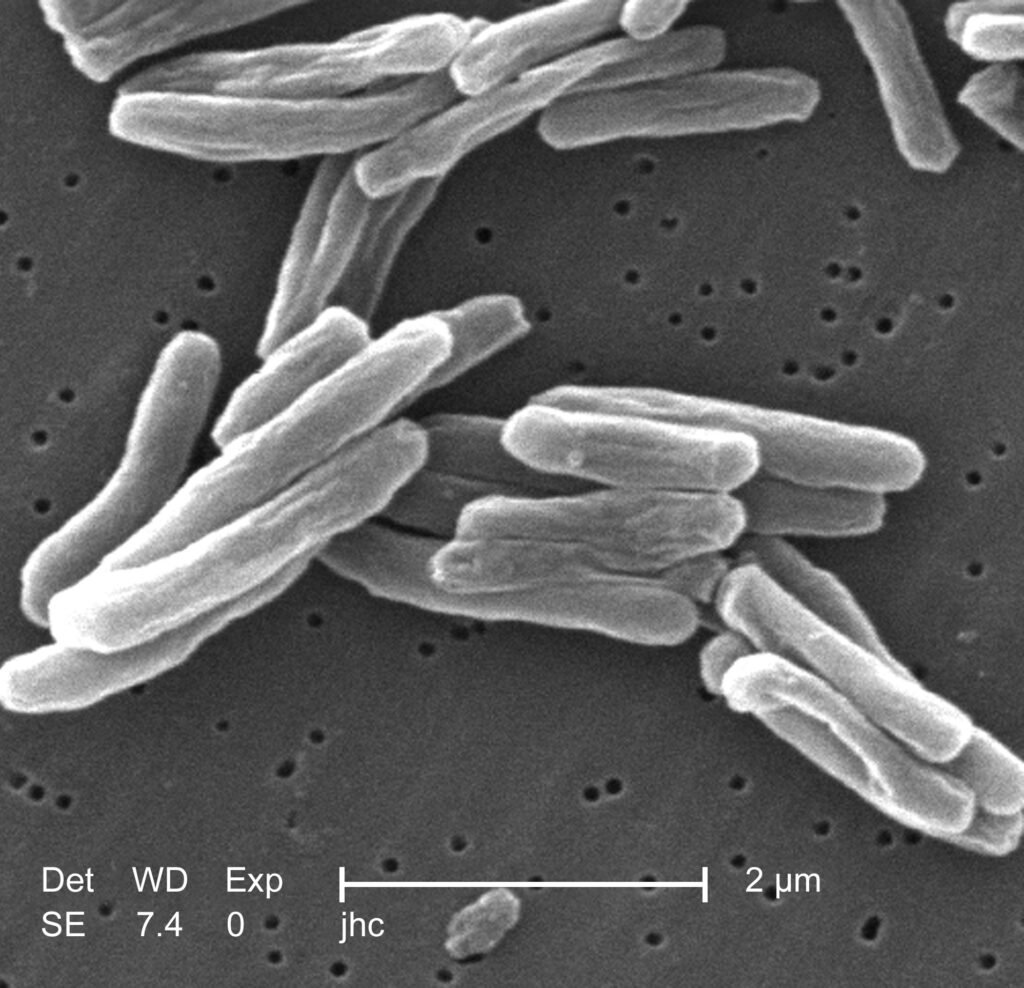
Tuberculosis is a bacterial infectious disease caused by Mycobacterium tuberculosis that most commonly affects the lungs, though it can also spread to affect other parts of the body, including the kidneys, spine, and brain, in a form known as extrapulmonary tuberculosis. Despite being preventable and curable with appropriate treatment, tuberculosis remains one of the leading
Tuberculosis Read More »
A bacterial infectious disease, primarily affecting the lungs, caused by Mycobacterium tuberculosis.
Ultra-processed food refers to industrially manufactured food products made predominantly from substances extracted or refined from whole foods, combined with additives such as preservatives, emulsifiers, artificial colors, and flavor enhancers, and typically bearing little visible resemblance to the whole-food ingredients they originally came from. The category, formalized through the widely used NOVA food classification system,
Ultra-processed food Read More »
Industrially manufactured food made predominantly from refined substances and additives, as defined by the NOVA classification system.
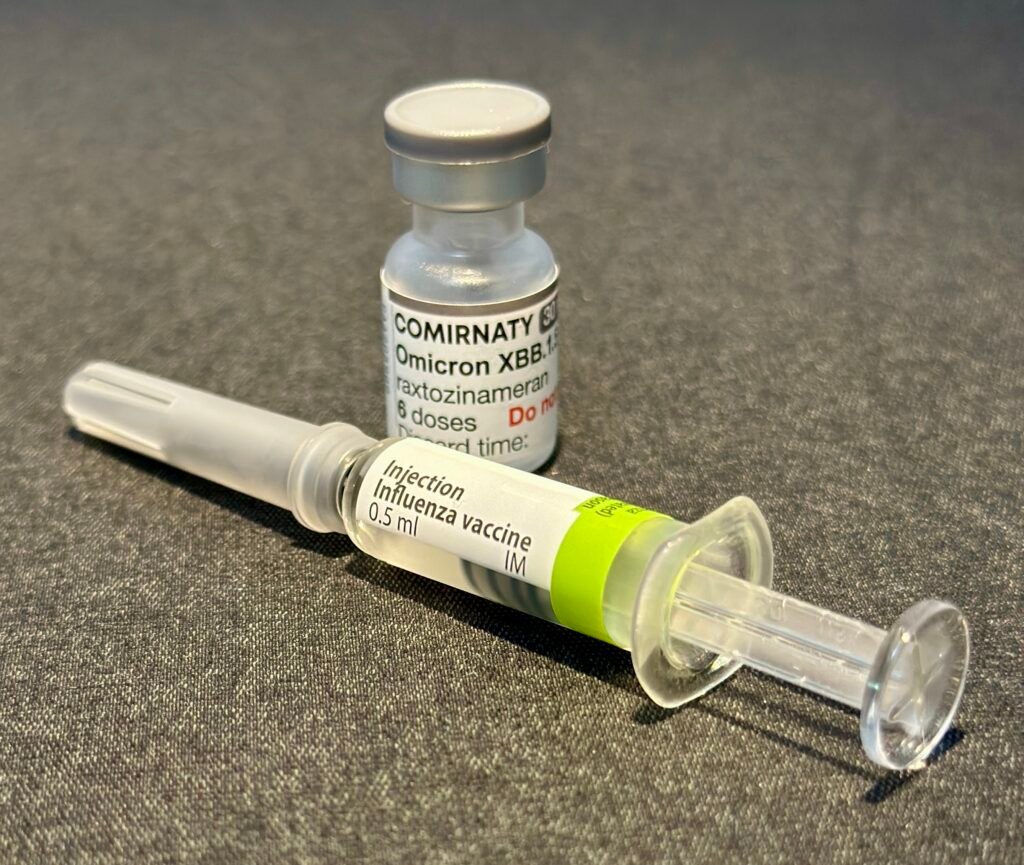
A vaccine is a biological preparation that trains the immune system to recognize and fight a specific pathogen, such as a virus or bacterium, without causing the disease that pathogen normally produces. It works by exposing the immune system to a harmless component or weakened version of the pathogen, prompting the body to produce antibodies
Vaccine Read More »
A biological preparation that trains the immune system to recognize and fight a specific pathogen.
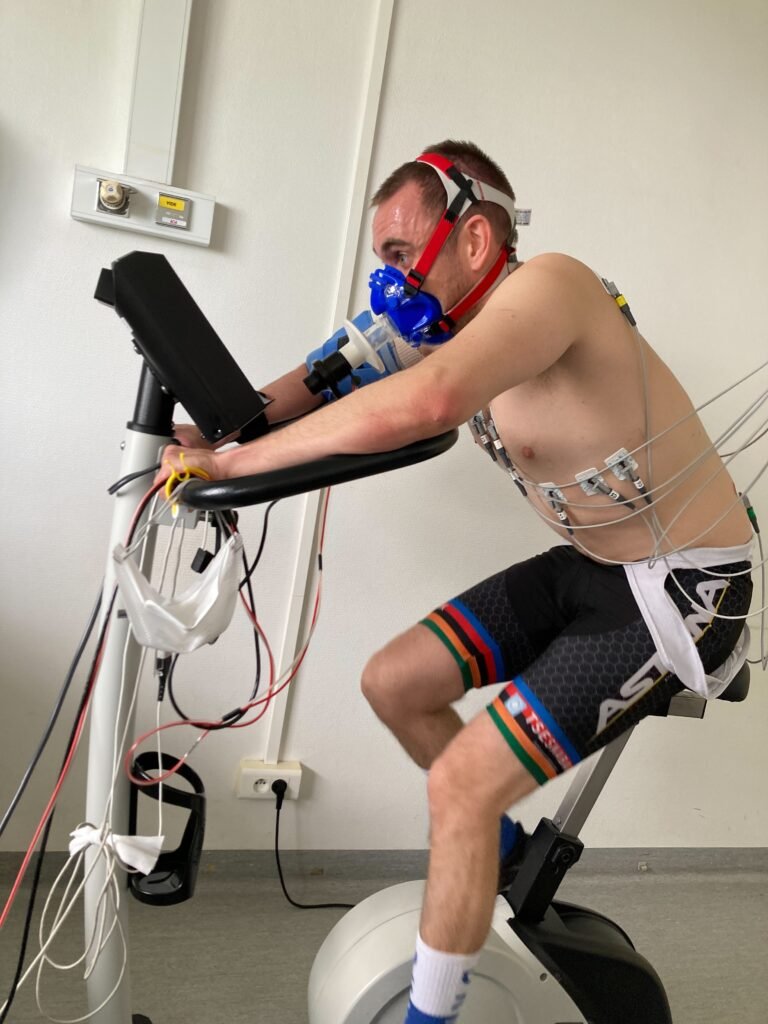
VO2 max, short for maximal oxygen uptake, is the maximum rate at which a person’s body can take in, transport, and use oxygen during intense exercise, expressed as milliliters of oxygen consumed per kilogram of body weight per minute. It is widely considered the single best laboratory measure of cardiovascular fitness, since it captures the
VO2 max Read More »
The maximum rate at which the body can take in, transport, and use oxygen during intense exercise.
The World Health Organization (WHO) is the specialized agency of the United Nations responsible for international public health. Headquartered in Geneva, Switzerland, it has 194 member states and sets health standards, coordinates responses to outbreaks and supports national health systems. [1][3] History and founding The idea came up at the 1945 San Francisco conference that
World Health Organization Read More »
The World Health Organization is the United Nations agency for international public health, with 194 member states and headquarters in Geneva.
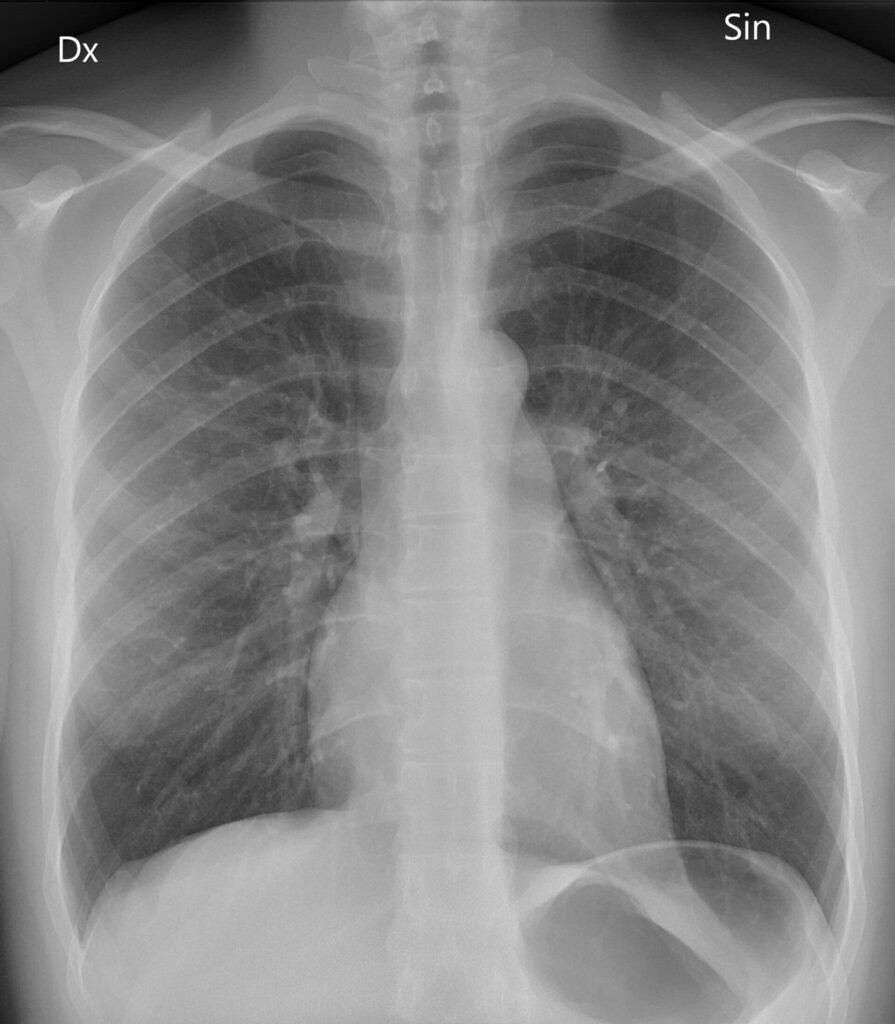
X-ray imaging is a medical and diagnostic technique that sends X-rays, a form of ionizing electromagnetic radiation, through the body and records how much of the beam each tissue absorbs. Dense structures such as bone appear white and softer tissue appears in shades of gray, which makes the method especially useful for finding fractures and
X-ray imaging Read More »
X-ray imaging passes ionizing radiation through the body and records how tissues absorb it, producing images of bones and organs.
An X-ray machine is a device that produces X-rays and records the shadow they cast, which lets people see inside an object or a body without cutting it open. The rays were discovered in 1895 by the German physicist Wilhelm Conrad Röntgen, and medical imaging became their best-known use. The sources reviewed for this entry
X-ray machine Read More »
A device that produces X-rays and records the shadow they cast, used most often in medicine to image the inside of the body.
A zoonotic disease is an infectious disease caused by a pathogen that has jumped from an animal host to a human, either through direct contact, contaminated food or water, or an intermediate carrier such as a mosquito or tick. Zoonotic diseases make up a substantial majority of newly emerging infectious diseases identified in recent decades,
Zoonotic disease Read More »
An infectious disease caused by a pathogen that has jumped from an animal host to a human.