In simple terms Blood pressure is the force of blood pushing against the walls of your blood vessels as the heart pumps it around the body. A reading has two numbers, such as 120/80. They are measured in millimeters of mercury, written mmHg, and show the pressure at its highest and lowest points in each
Blood pressure Read More »
Blood pressure is the force of blood pushing against the walls of the blood vessels, recorded as two numbers such as 120/80 mmHg.
A defibrillator is a medical device that delivers an electric shock to the heart to stop a dangerous rhythm and give the heart a chance to resume a normal beat. The National Heart, Lung, and Blood Institute (NHLBI) describes defibrillators as devices that apply an electric charge or current to the heart to restore a
Defibrillator Read More »
A medical device that delivers an electric shock to the heart to stop a dangerous rhythm and let a normal beat resume.
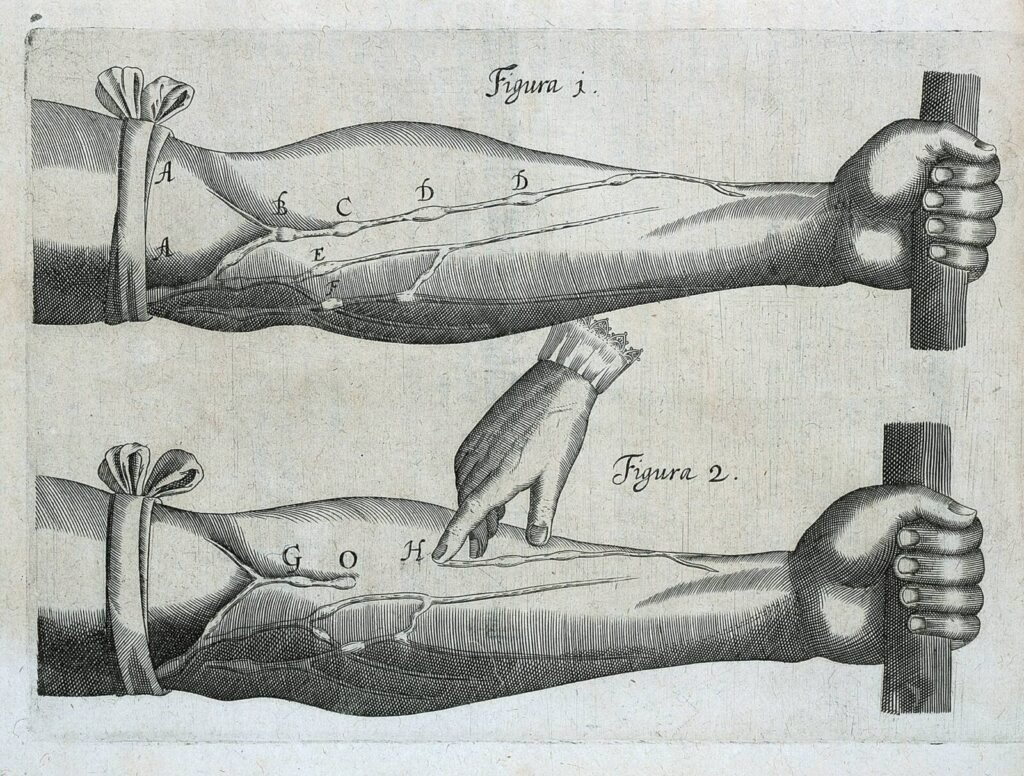
The discovery of blood circulation was the demonstration, published by the English physician William Harvey in 1628, that the heart pumps blood in a continuous loop around the body. Before Harvey, most physicians believed the body made blood from food and used it up. His short book De Motu Cordis overturned a view of the
Discovery of blood circulation Read More »
Seventeenth-century demonstration by William Harvey that the heart pumps blood in a continuous circuit around the body.
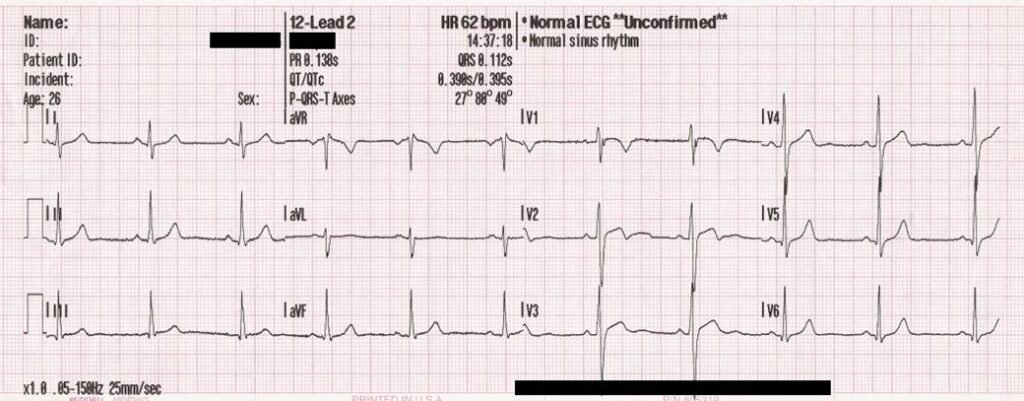
An electrocardiogram (ECG, also written EKG) is a test that records the electrical signals the heart makes each time it beats. MedlinePlus, the health information service of the U.S. National Library of Medicine, describes it as a simple, painless and quick test. The recording appears as wavy lines with sharp spikes, and a trained clinician
Electrocardiogram Read More »
A painless test that records the heart's electrical signals with sensors on the skin, shown as wavy lines called waves.
The first human heart transplant was performed by the South African surgeon Christiaan Barnard at Groote Schuur Hospital in Cape Town during the night of December 2 and 3, 1967. The recipient, 53-year-old Louis Washkansky, received the heart of Denise Darvall, a 25-year-old woman who had been fatally injured in a traffic accident. Washkansky died
First human heart transplant (1967) Read More »
The operation performed by Christiaan Barnard in Cape Town on December 3, 1967, in which a donor heart was transplanted into a patient.
In simple terms Blood pressure is the force of blood pushing against the walls of your blood vessels. Hypertension means that force stays too high over time. Most people with hypertension feel nothing at all. That is why a measurement is the only reliable way to find out. How it works A reading has two
Hypertension Read More »
Hypertension is blood pressure that stays too high over time, straining the heart, blood vessels, brain and kidneys.
In simple terms Hypotension is the medical term for low blood pressure. It means blood is moving through the vessels at a lower pressure than usual. The US National Heart, Lung, and Blood Institute puts the line at a reading below 90/60 mmHg, against a normal adult figure usually below 120/80 mmHg. How it works
Hypotension Read More »
Hypotension is the medical term for low blood pressure, generally a reading below 90/60 mmHg, which may or may not cause symptoms.
In simple terms Cholesterol is a waxy fat the body needs but cannot dissolve in blood. It travels wrapped inside particles called lipoproteins. LDL stands for low-density lipoprotein. LDL cholesterol is the portion those particles carry, and it is often called bad cholesterol because it is the main source of cholesterol buildup and blockage in
LDL cholesterol Read More »
LDL cholesterol is the share of blood cholesterol carried by low-density lipoproteins, the main source of the buildup that narrows arteries.
In simple terms Orthostatic hypotension is a drop in blood pressure that happens when someone stands up. For a few seconds, less blood reaches the brain. The usual result is lightheadedness or dizziness on rising. About one third of people who meet the clinical definition feel nothing at all. How it works The definition is
Orthostatic hypotension Read More »
Orthostatic hypotension is a drop in blood pressure on standing, of at least 20 mm Hg systolic or 10 mm Hg diastolic within three minutes.
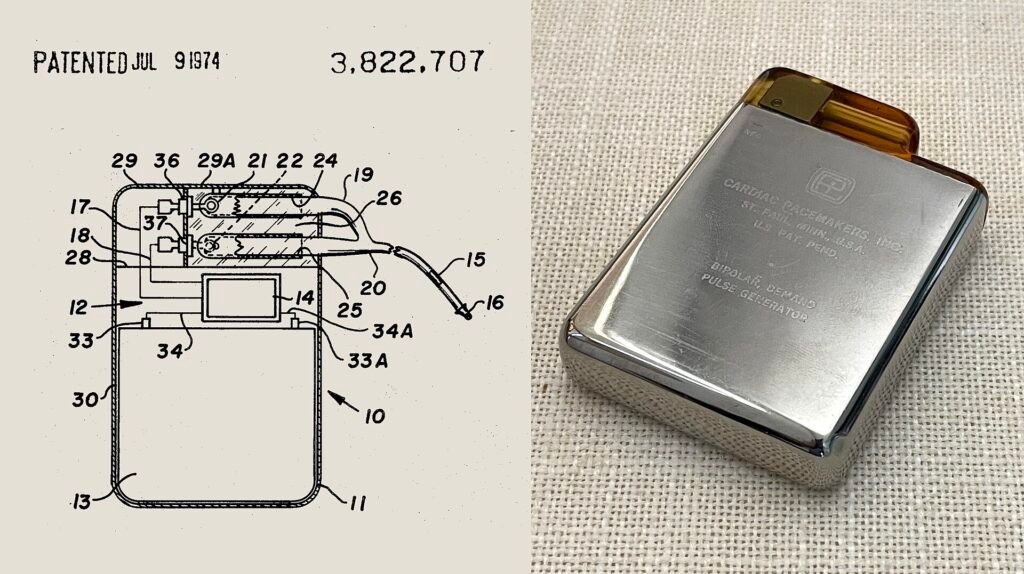
A pacemaker is a small electrical device that sends pulses to the heart to help it beat at a steady rate or keep its chambers in step. The first fully implanted unit was placed in a patient in Sweden in 1958, and a more durable American design followed in 1960. This article is general background
Pacemaker Read More »
A pacemaker is a small device that sends electrical pulses to the heart; the first fully implanted unit was placed in Sweden in 1958.