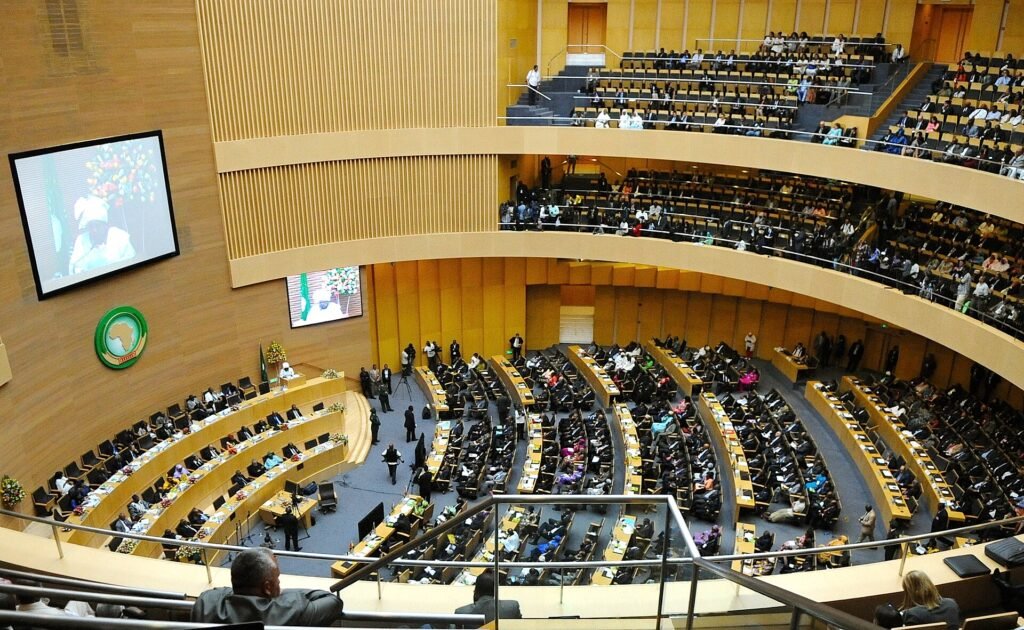
The African Union, or AU, is a continental organization of 55 member states that works for political and economic integration, peace and development across Africa. It was officially launched in July 2002 in Durban, South Africa, as the successor to the Organisation of African Unity. Its secretariat, the AU Commission, is based in Addis Ababa,
African Union Read More »
The African Union is a continental organization of 55 member states, launched in 2002 to promote African integration, peace and development.
In simple terms Annexation is a state declaring that territory it holds by force is now legally its own. The claim is about sovereignty, the recognized legal title to land, not merely about who has troops on the ground. International law treats that claim as void. Force can change who controls territory; the modern rule
Annexation Read More »
Annexation is a state's claim to have taken legal sovereignty over territory seized by force, a claim international law treats as invalid.
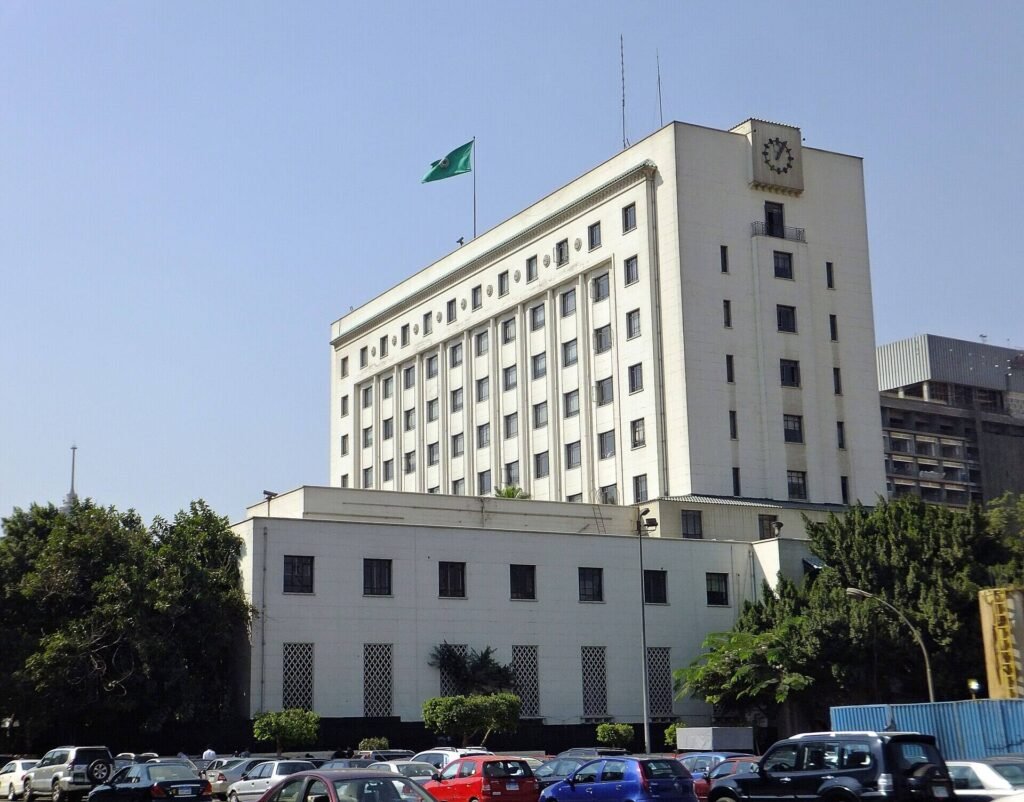
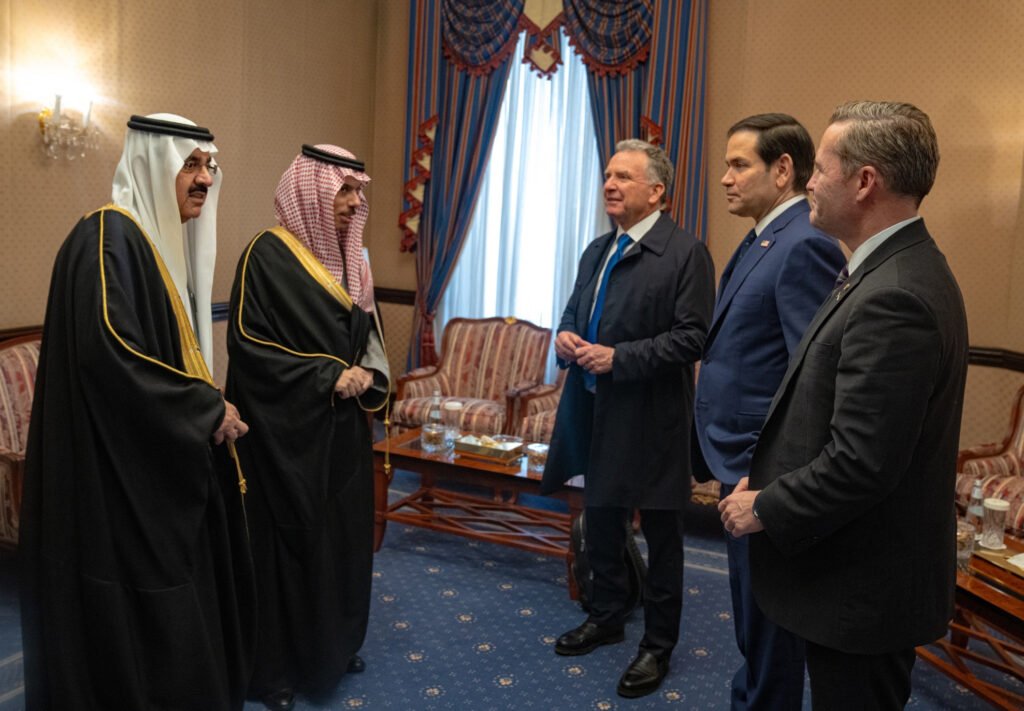
The League of Arab States, usually called the Arab League, is a regional organization of Arab countries founded in Cairo in 1945. Its founding Pact commits members to closer cooperation on political, economic, cultural and social matters while safeguarding each member’s independence and sovereignty. The organization has 22 members. History of the Arab League Arab
Arab League Read More »
The Arab League is a regional organization of 22 Arab states founded in Cairo in 1945 to coordinate political, economic and cultural cooperation.
In simple terms An arms embargo is a rule that stops weapons and other military goods from reaching a particular country, armed group or person. It is one type of sanction: a penalty that stops short of military force. The aim is to cut off the tools of violence and push the target to change
Arms embargo Read More »
An arms embargo bans supplying weapons, military equipment and related services to a country, group or person to promote peace and security.
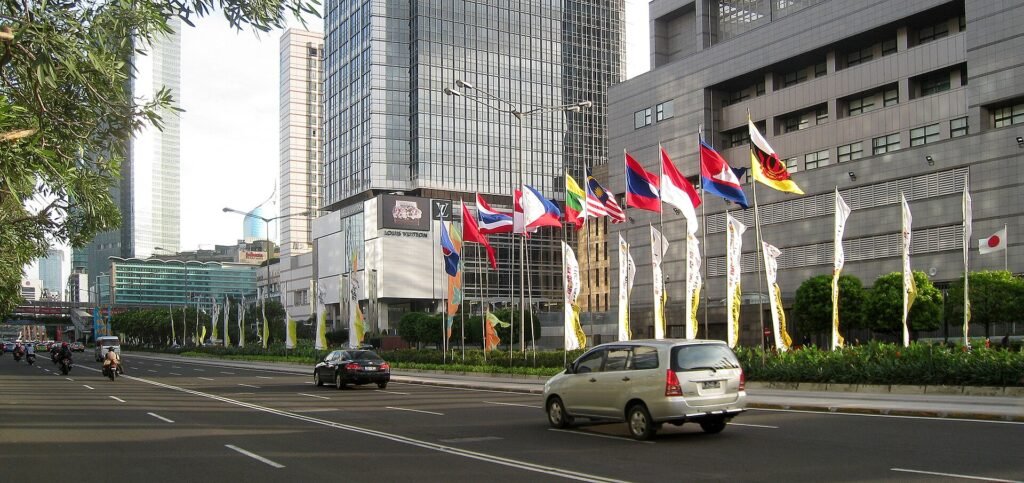
The Association of Southeast Asian Nations, or ASEAN, is a regional organization of 11 member states that promotes economic, political and security cooperation in Southeast Asia. It was established on 8 August 1967 in Bangkok, Thailand, and its secretariat is in Jakarta, Indonesia. Timor-Leste became the 11th member on 26 October 2025. History of ASEAN
ASEAN Read More »
ASEAN is a regional organization of 11 Southeast Asian countries, founded in Bangkok in 1967 to promote economic, political and security cooperation.
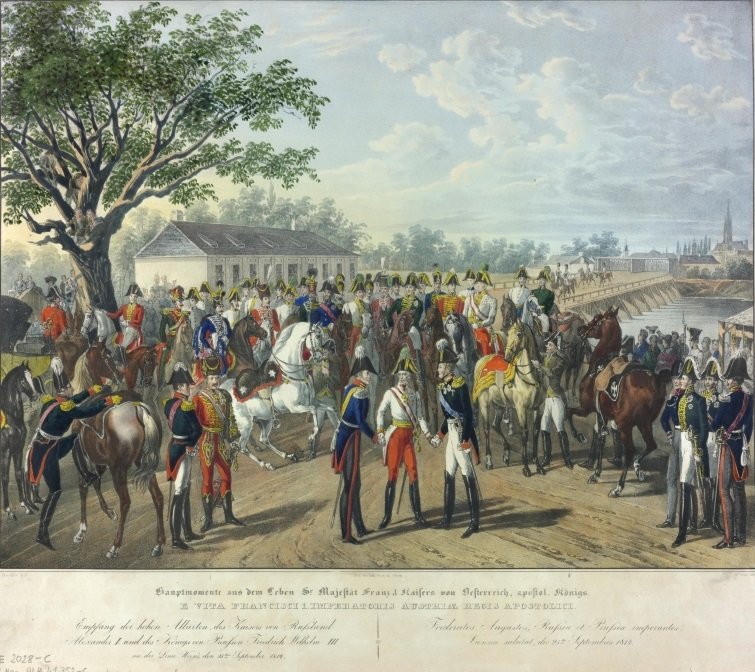
Balance of power is a theory of international relations holding that states can best secure their own survival by preventing any single state from accumulating so much military strength that it can dominate all the others. The core logic is that if one state grows significantly more powerful than its neighbors, those neighbors have a
Balance of Power Read More »
A theory holding that states secure their survival by preventing any one state from dominating the rest.
In simple terms BRICS is a grouping of major emerging economies that meet to coordinate on trade, finance, security and development. The name began as an investment label. Goldman Sachs coined BRIC in 2001 for Brazil, Russia, India and China. The countries themselves later turned the label into a working forum. How it works South
BRICS Read More »
BRICS is a grouping of major emerging economies, founded by Brazil, Russia, India, China and South Africa and expanded to eleven members.
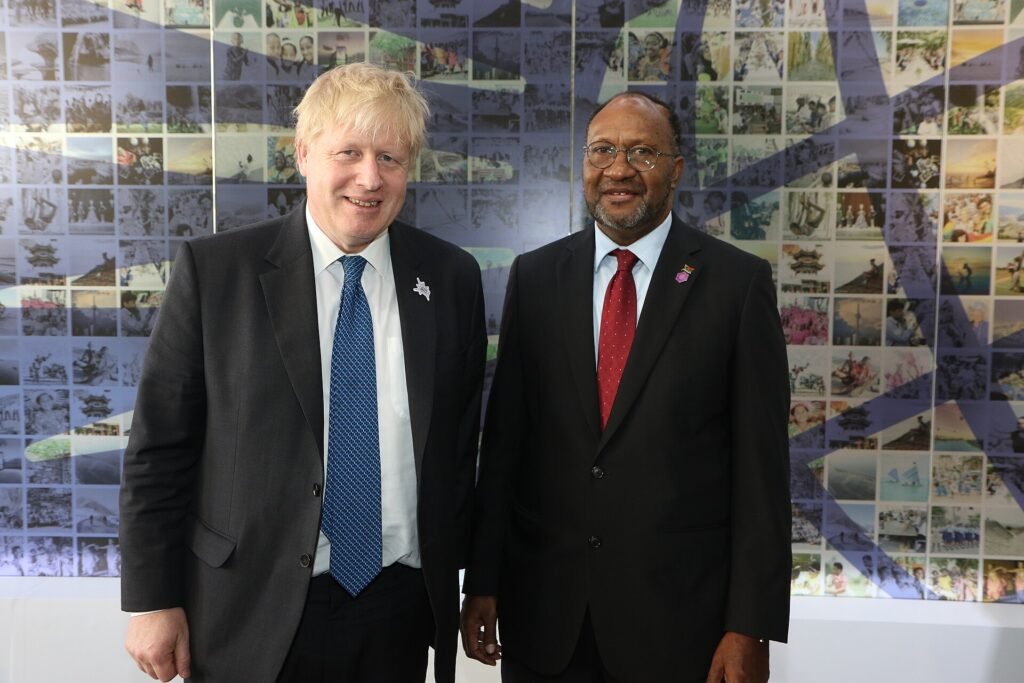
The Commonwealth of Nations, usually called the Commonwealth, is a voluntary association of 56 independent countries across Africa, Asia, the Americas, Europe and the Pacific. It has its roots in the British Empire, and its modern form dates from the London Declaration of April 1949. About 2.7 billion people live in Commonwealth countries, and its
Commonwealth of Nations Read More »
The Commonwealth of Nations is a voluntary association of 56 independent countries, rooted in the British Empire and modernized by the 1949 London Declaration.
Diplomacy is the practice of conducting negotiations and maintaining relations between states, international organizations, and other political actors through official representatives rather than through force. It is the primary instrument through which foreign policy gets carried out day to day, and most of the treaties, trade agreements, and alliances that structure international affairs are the
Diplomacy Read More »
The practice of conducting negotiations and maintaining relations between states through official representatives.
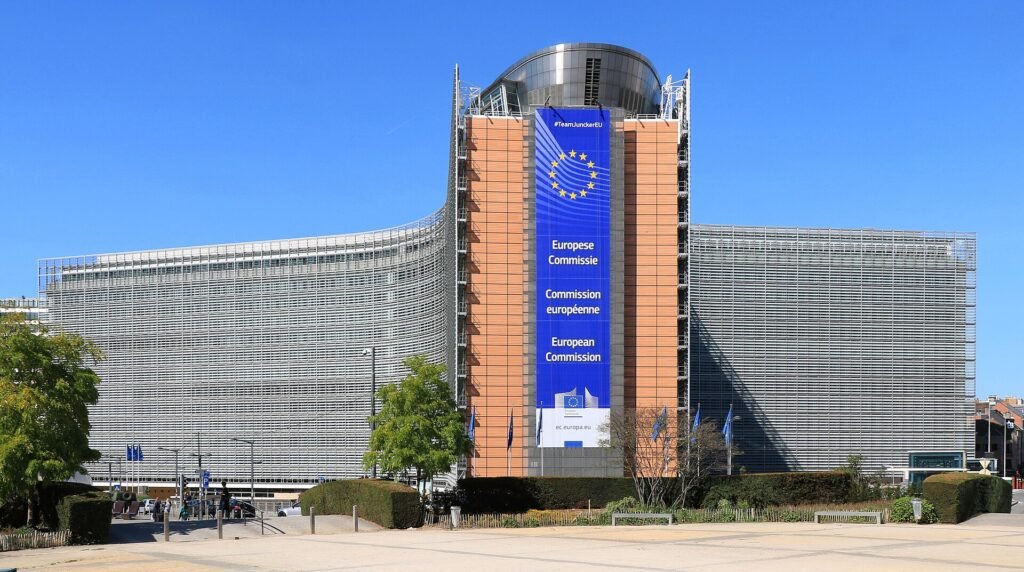
The European Union, or EU, is a political and economic union of 27 European countries that share common institutions, a single market and, for many members, a common currency. It grew out of the European Coal and Steel Community of 1951 and was formally created by the Maastricht Treaty, signed on 7 February 1992. Its
European Union Read More »
The European Union is a political and economic union of 27 European countries with a single market, shared institutions and a common currency for many members.