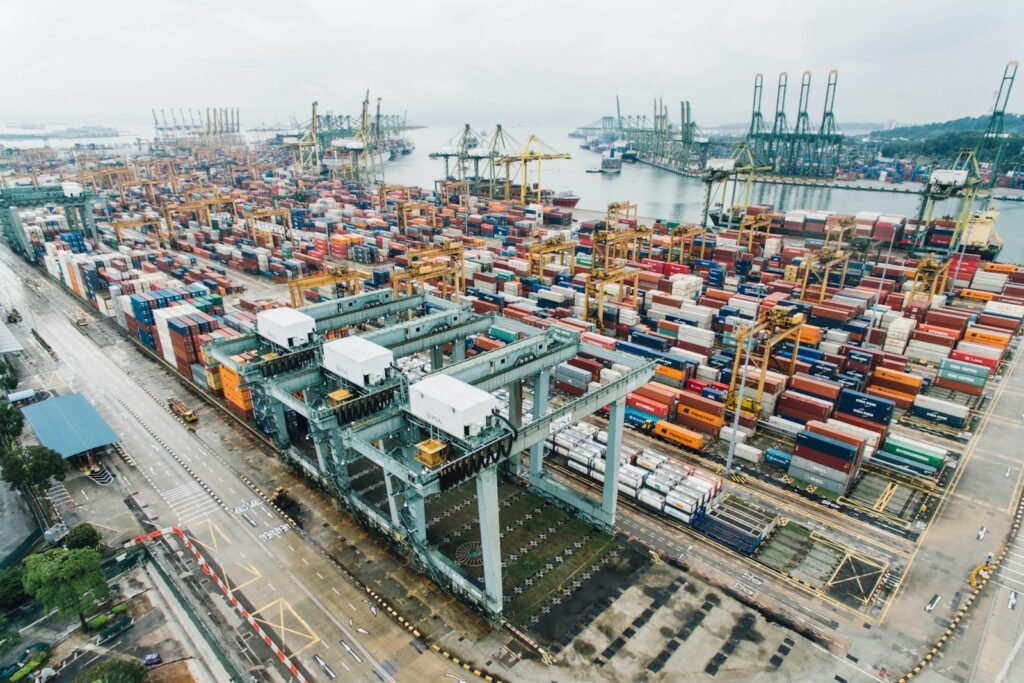
In simple terms Export controls are laws that decide what a country will let leave its territory, and who may receive it. They cover weapons, but most of the argument is about ordinary items with military uses: chips, sensors, software, machine tools, chemicals. How it works The category at the center is dual-use. The European
Export controls Read More »
Export controls are government rules that require a licence before certain goods, software or technology may be sent abroad.
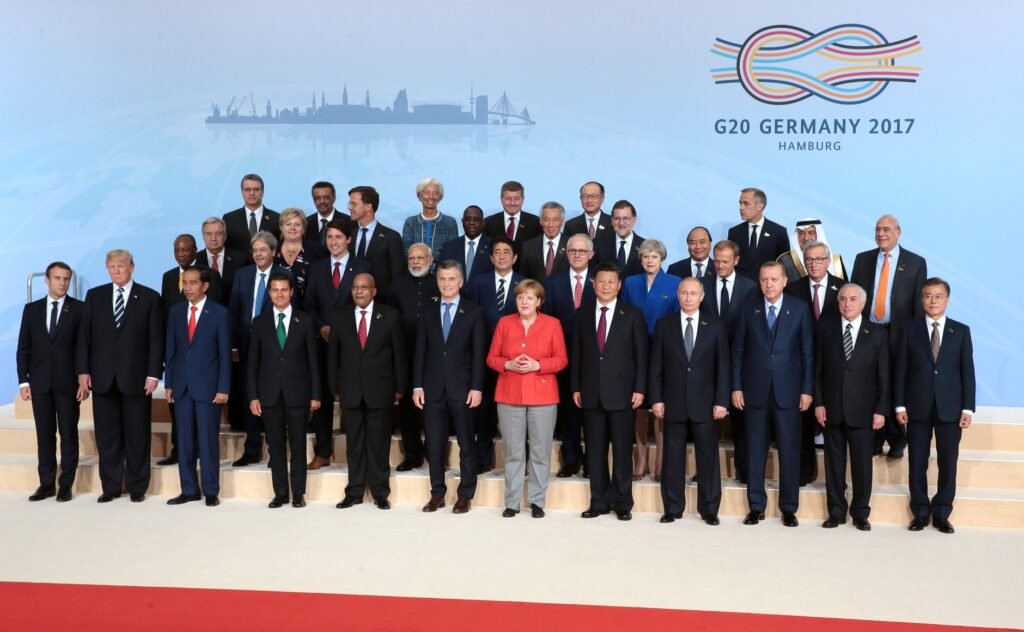
The G20, or Group of Twenty, is an informal forum of 19 countries, the European Union and the African Union that coordinates global economic and financial policy. Finance ministers and central bank governors began meeting in 1999, and leaders held their first summit in November 2008. The G20 has no permanent secretariat, and its presidency
G20 Read More »
The G20 is an informal forum of 19 countries, the EU and the African Union that coordinates global economic and financial policy.
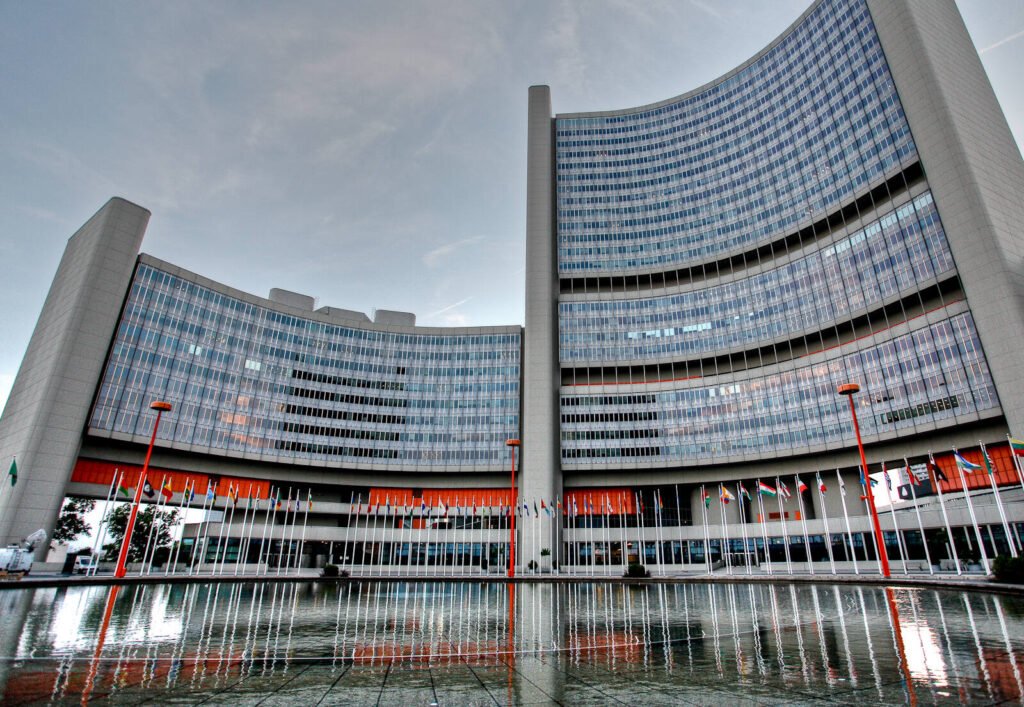
The International Atomic Energy Agency (IAEA) is an autonomous intergovernmental organization based in Vienna, Austria, that promotes the peaceful use of nuclear energy and works to verify that nuclear material is not diverted to weapons. It is linked to the United Nations through a 1957 relationship agreement, and its work covers nuclear safety, security, technology
International Atomic Energy Agency Read More »
The IAEA is a Vienna-based intergovernmental agency that promotes peaceful nuclear energy and verifies that nuclear material is not diverted to weapons.
The International Committee of the Red Cross (ICRC) is a neutral, impartial and independent humanitarian organization, founded in Geneva in 1863, that protects and assists people affected by armed conflict and other violence. States gave it its mandate through the Geneva Conventions, and it works alongside, but separately from, the national Red Cross and Red
International Committee of the Red Cross Read More »
The International Committee of the Red Cross is a neutral humanitarian organization, founded in Geneva in 1863, that protects and assists victims of armed conflict.
International law is the body of rules, customs, and principles that states and other international actors generally accept as binding in their relations with one another. It covers an enormous range of subjects, from the conduct of war and the treatment of diplomats to international trade, environmental protection, and human rights. The 19th-century jurist Lassa
International Law Read More »
The body of rules and customs that states generally accept as binding in their relations with one another.
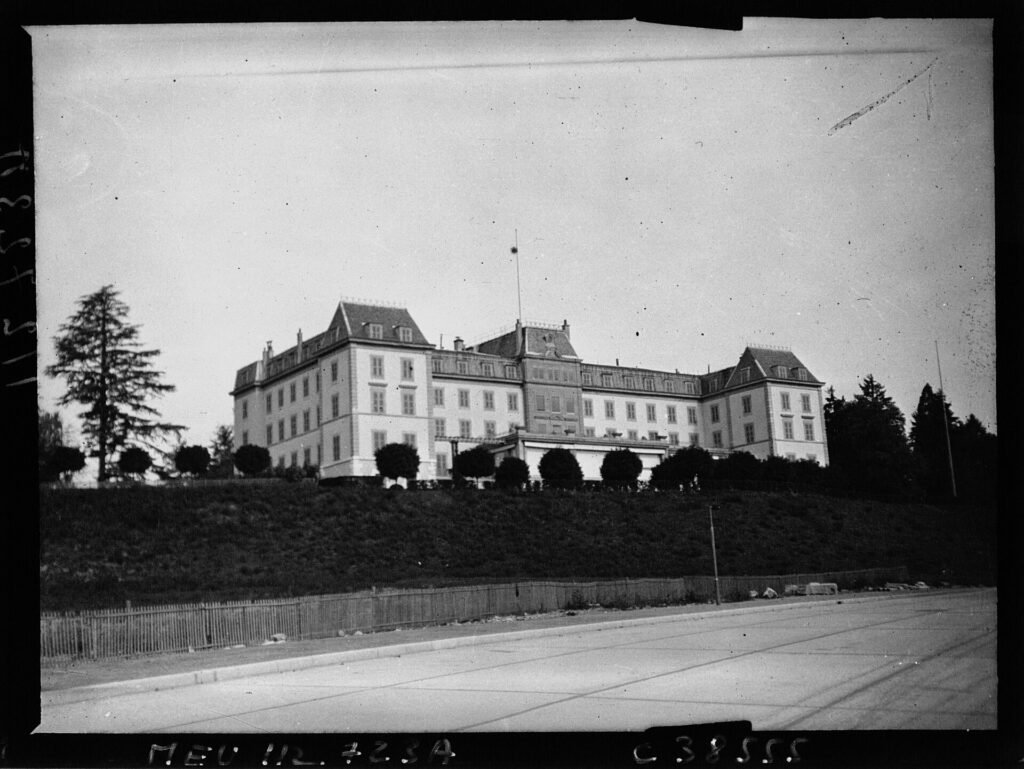
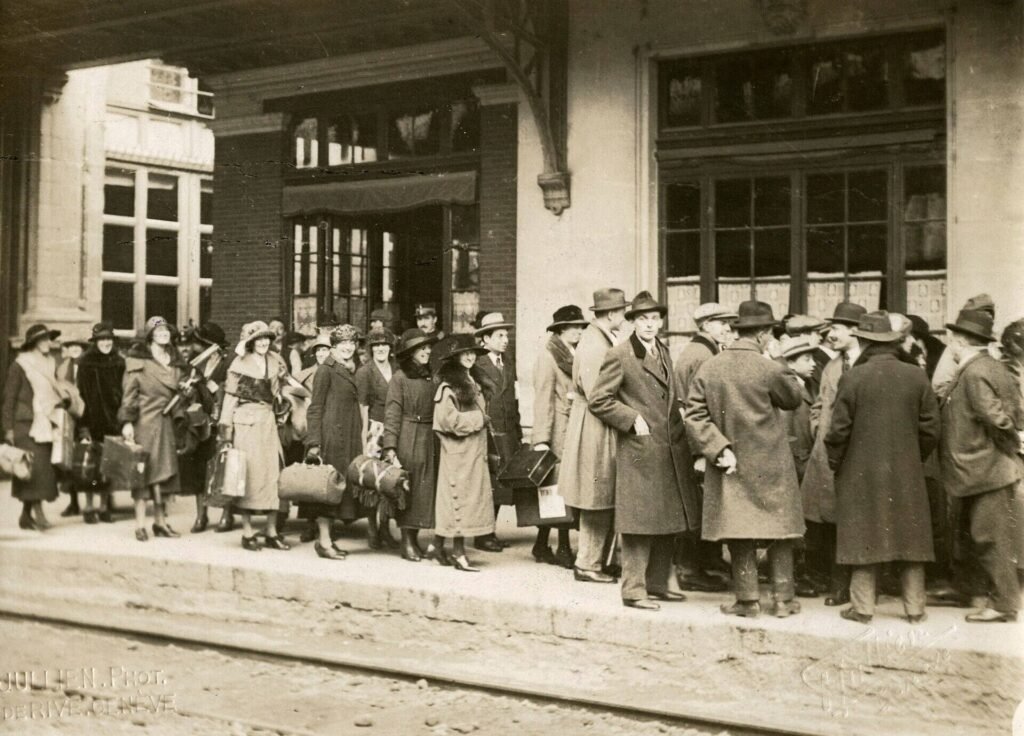
The League of Nations was the first intergovernmental organization founded to promote international cooperation and to achieve international peace and security. It operated from 1920 to 1946 with its headquarters in Geneva, Switzerland, and it is often called the predecessor of the United Nations. History of the League of Nations President Woodrow Wilson called for
League of Nations Read More »
The League of Nations was the first intergovernmental organization for international peace and cooperation, based in Geneva from 1920 until its dissolution in 1946.
The North Atlantic Treaty Organization, or NATO, is a political and military alliance of 32 countries from Europe and North America whose members have pledged to defend one another. It was created by the North Atlantic Treaty, signed in Washington, D.C., on 4 April 1949. Its members, called Allies, take decisions by consensus. History of
NATO Read More »
NATO is a political and military alliance of 32 European and North American countries, founded in 1949 on a pledge of mutual defense.
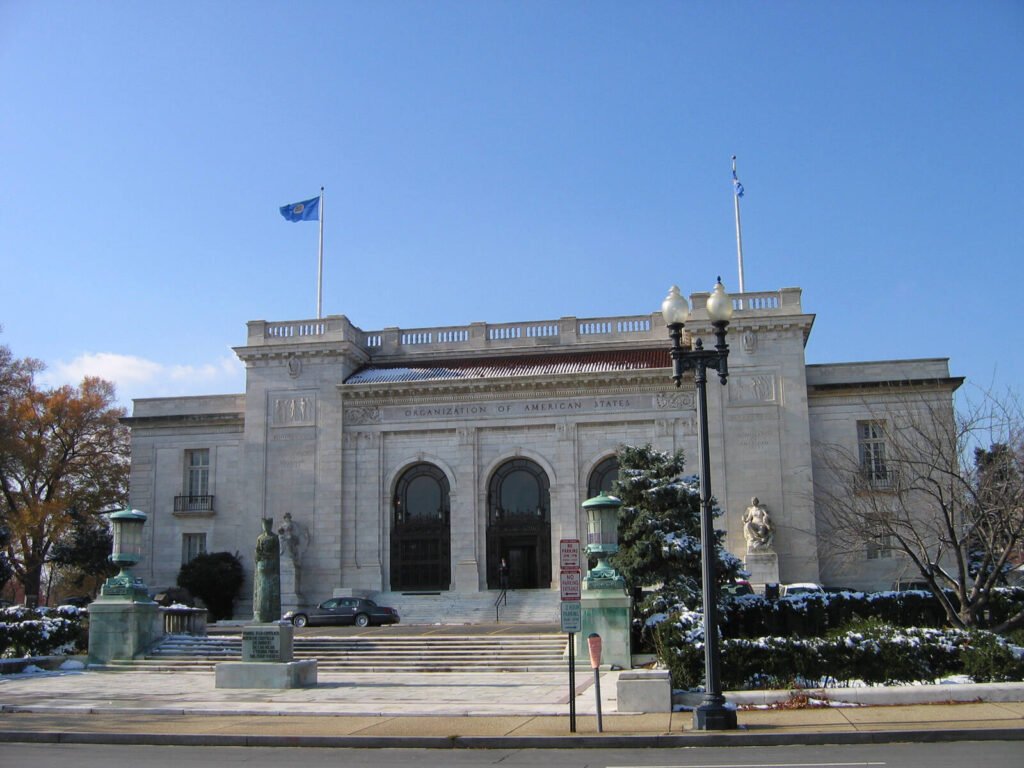
The Organization of American States (OAS) is a regional organization that brings together all 35 independent states of the Americas, with its headquarters in Washington, D.C. It describes itself as the world’s oldest regional organization and as the main political, juridical and social governmental forum in the Western Hemisphere. History of the OAS Some scholars
Organization of American States Read More »
The OAS is a regional organization of 35 American states, based in Washington, D.C., focused on democracy, human rights, security and development.
In simple terms Sanctions are penalties applied between governments rather than inside a courtroom. They cut off trade, money or travel to press a target into changing course. The defining feature is what they are not. They stop short of armed force, sitting between a diplomatic protest and a war. How it works Sanctions come
Sanctions Read More »
Sanctions are restrictions one country or bloc imposes on another state, group or individual to change its behavior without using military force.
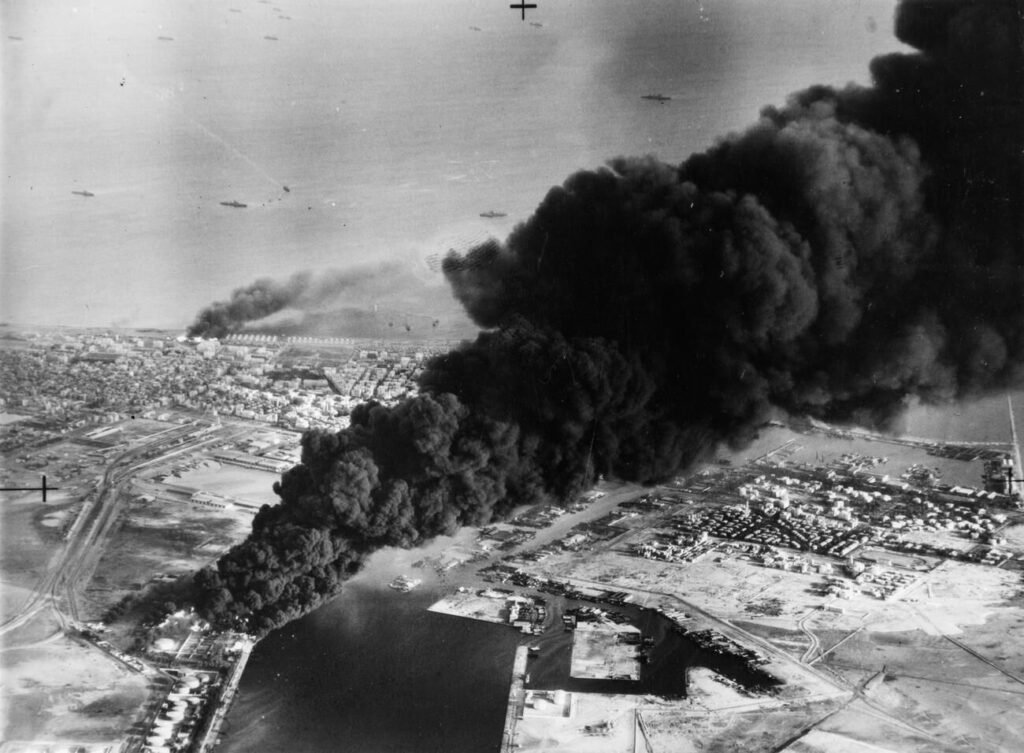
The Suez Crisis of 1956 was an international conflict that began when Egypt nationalized the Suez Canal Company on 26 July 1956 and ended after Britain, France and Israel invaded Egyptian territory in October and November. Pressure from the United States and the Soviet Union and a ceasefire arranged through the United Nations forced the
Suez Crisis Read More »
The 1956 conflict in which Britain, France and Israel invaded Egypt after Nasser nationalized the Suez Canal Company, ending in a UN ceasefire.