Saint Vincent and the Grenadines is an eastern Caribbean nation made up of the main island of Saint Vincent and the northern two-thirds of the Grenadines, a chain of smaller islands stretching south toward Grenada. Where Is Saint Vincent and the Grenadines Located? Saint Vincent, the largest and northernmost island, is volcanic and mountainous, dominated
Saint Vincent and the Grenadines: Geography, History and Key Facts Read More »
Saint Vincent and the Grenadines is an eastern Caribbean nation known for the active La Soufriere volcano and the Tobago Cays marine park.
Samoa is an independent Polynesian nation in the South Pacific Ocean, made up chiefly of the two large islands of Upolu and Savai’i, plus several smaller islands. It is distinct from American Samoa, a separate, unincorporated United States territory lying further east in the same island group. Where Is Samoa Located? Samoa sits in the
Samoa: Geography, History, Culture and Key Facts Read More »
Samoa is an independent Polynesian nation in the South Pacific known for fa'a Samoa culture and the To Sua Ocean Trench.
San Francisco is a city on the northern tip of a peninsula in Northern California, bounded by the Pacific Ocean, the San Francisco Bay, and the Golden Gate Strait. Founded as a Spanish mission and presidio in 1776, transformed by the 1849 Gold Rush, and rebuilt after the catastrophic 1906 earthquake, it has become one
San Francisco: History, Geography, Culture and Key Facts Read More »
San Francisco is a Northern California bay city, rebuilt after the 1906 earthquake, famed for the Golden Gate Bridge and tech industry.
San Marino is a tiny, landlocked microstate completely surrounded by Italy, located in the Apennine Mountains near Italy’s Adriatic coast, close to the city of Rimini. It is one of the smallest countries in the world by both area and population. Where Is San Marino Located? San Marino is built largely around Mount Titano, a
San Marino: Geography, History, Culture and Key Facts Read More »
San Marino is a tiny microstate enclaved within Italy, traditionally founded in 301 and known as the oldest surviving republic, with the Three Towers of Mount Titano as its icon.
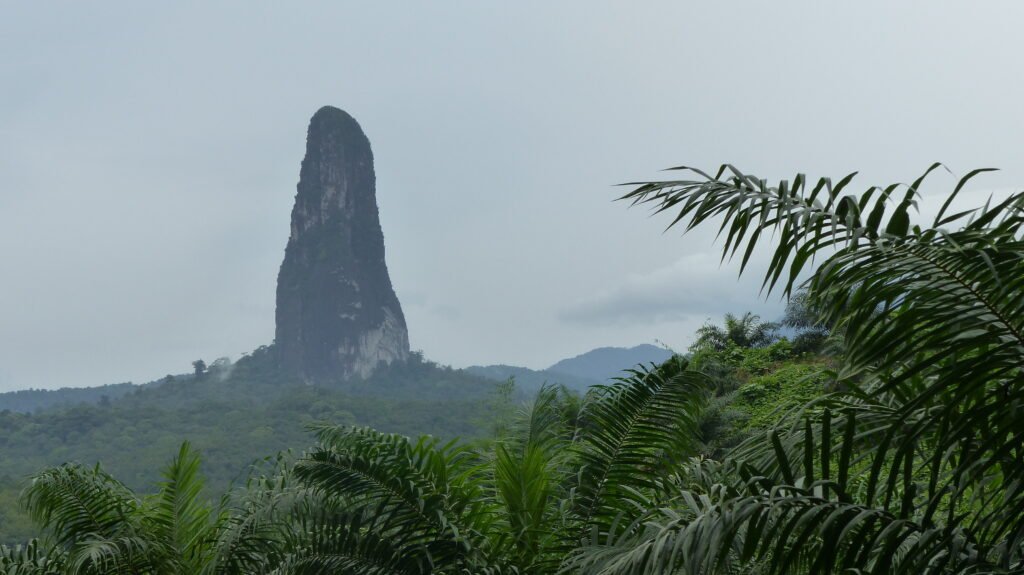
A two-island nation in the Gulf of Guinea off Central Africa, known for cocoa and the volcanic spire Pico Cao Grande.
Saudi Arabia is the largest country on the Arabian Peninsula and the birthplace of Islam, occupying most of the peninsula between the Red Sea and the Persian Gulf. It is home to the two holiest sites in Islam, Mecca and Medina, and has used its oil wealth to become the largest economy in the Middle
Saudi Arabia: Geography, History, Religion and Key Facts Read More »
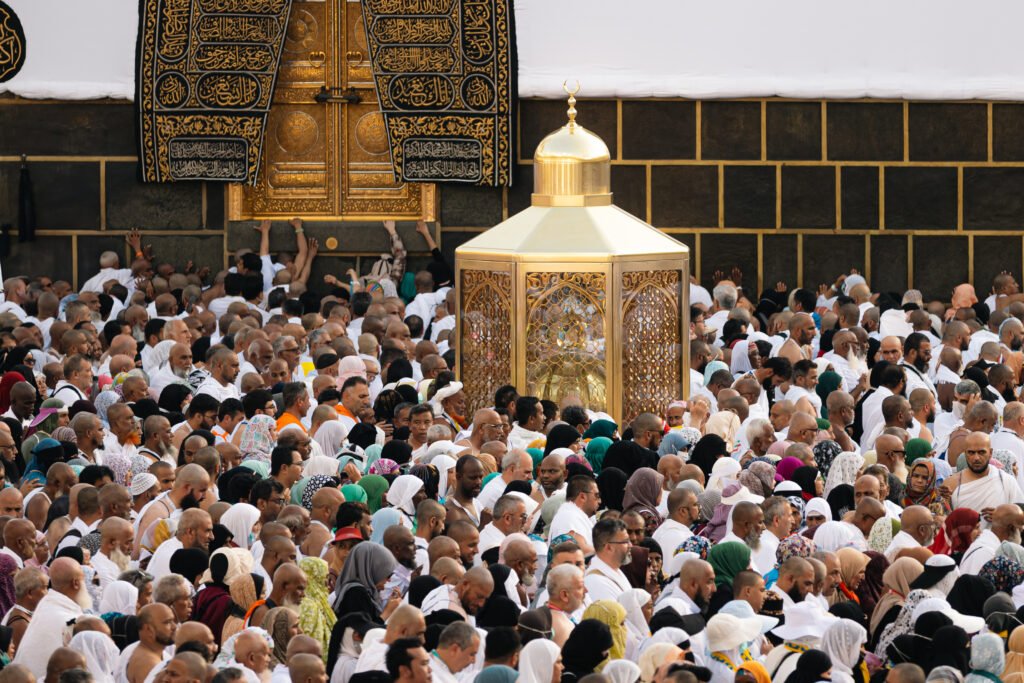
The largest country on the Arabian Peninsula, home to Islam's two holiest cities, Mecca and Medina.
Seattle is a port city in the U.S. Pacific Northwest, built on hills between Puget Sound and Lake Washington in Washington state. Settled in 1851 on Coast Salish land, it grew through lumber, the Klondike Gold Rush, and later aerospace and technology, and it is instantly recognizable today by the Space Needle, built for the
Seattle: History, Geography, Culture and Key Facts Read More »
Seattle is a Pacific Northwest port city, settled in 1851, known today for the Space Needle and its tech industry.
Senegal is a country on the westernmost point of mainland Africa, known for the city of Dakar, a long history as one of the continent’s more stable democracies, and Goree Island, one of the Atlantic slave trade’s most somber historical sites. Where Is Senegal Located? Senegal sits at the western tip of West Africa on
Senegal: Geography, History, Culture and Key Facts Read More »
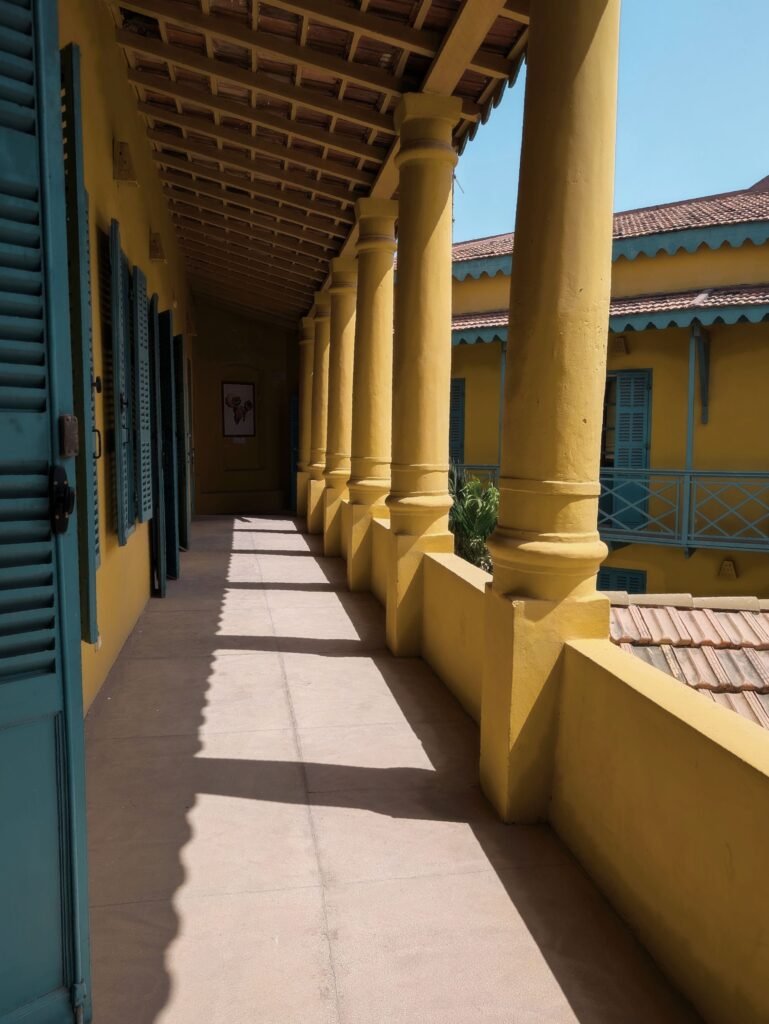
A politically stable West African country at the Atlantic's edge, known for Dakar and the Goree Island slave-trade memorial.
What and Where Is Seoul? Seoul is the capital and largest city of South Korea, sitting astride the Han River in the northwestern part of the country. Administered as a special city with its own metropolitan government, Seoul is divided into 25 autonomous districts, or gu, and stretches roughly 30 kilometers from north to south
Seoul: South Korea’s Capital Read More »
Seoul is the capital and largest city of South Korea, a Han River metropolis shaped by six centuries as the Joseon dynasty's seat of power and, more recently, by rapid postwar reconstruction and a UNESCO-recognized design economy.
Serbia is a landlocked country in the Western Balkans and the largest economy in that subregion, built around the capital Belgrade at the confluence of the Danube and Sava rivers. Where Is Serbia Located? Serbia sits in the Western Balkans in southeastern Europe, bordered by Hungary to the north, Romania and Bulgaria to the east,
Serbia: Geography, History, Culture and Key Facts Read More »
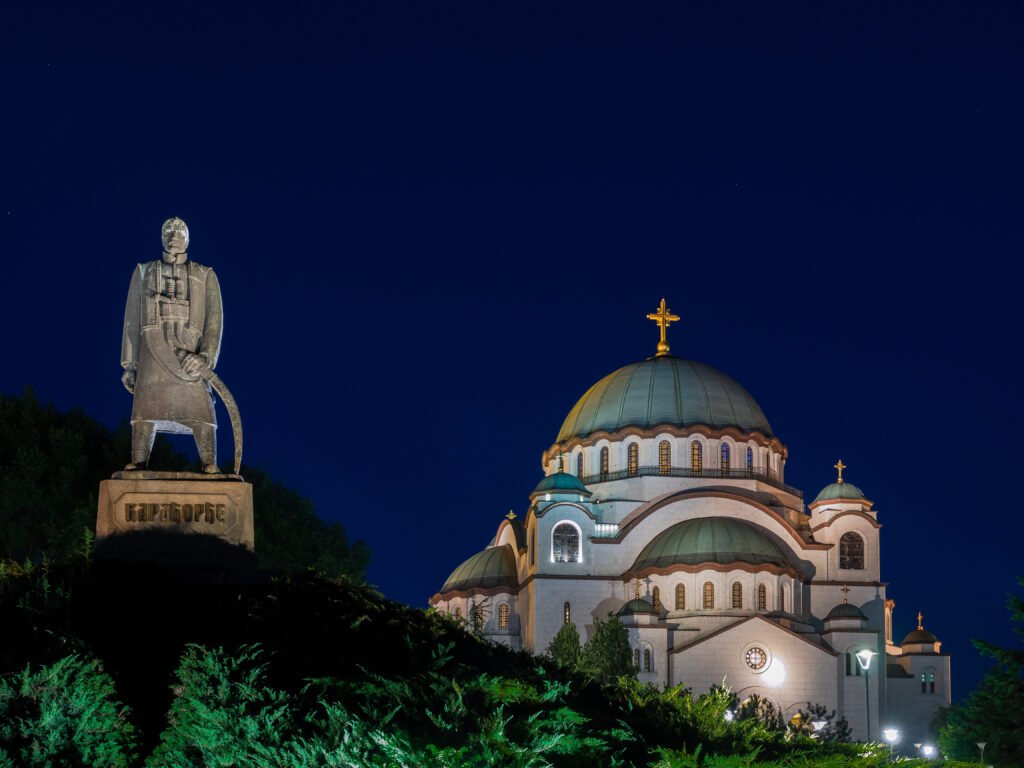
A landlocked Western Balkan country centered on Belgrade, the largest economy in the subregion.