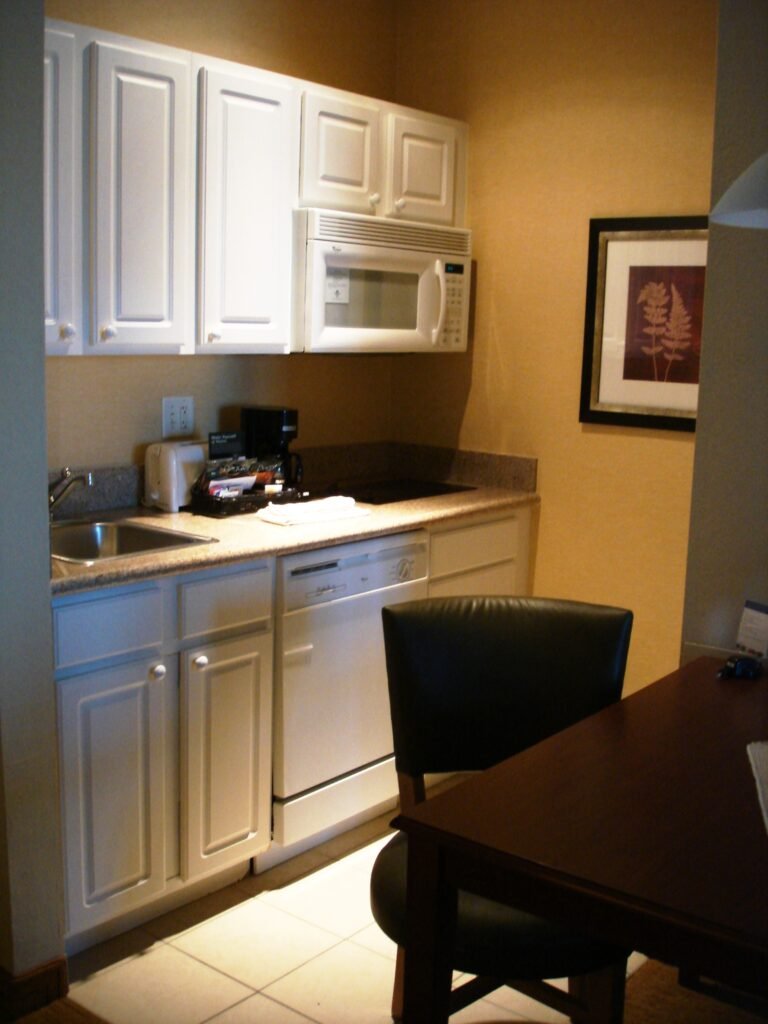
Overview Extended stay lodging serves travelers who need accommodation for a week or longer, offering a different experience than typical overnight hotel stays. Key Features These properties commonly include in-room kitchenettes, laundry facilities, and reduced daily housekeeping in exchange for lower weekly or monthly rates. Market Segment Corporate relocation travelers, project-based workers, and people between
Extended Stay Lodging Read More »
Extended stay lodging refers to hotel properties designed for guests staying a week or longer, typically featuring kitchenettes and reduced daily services.
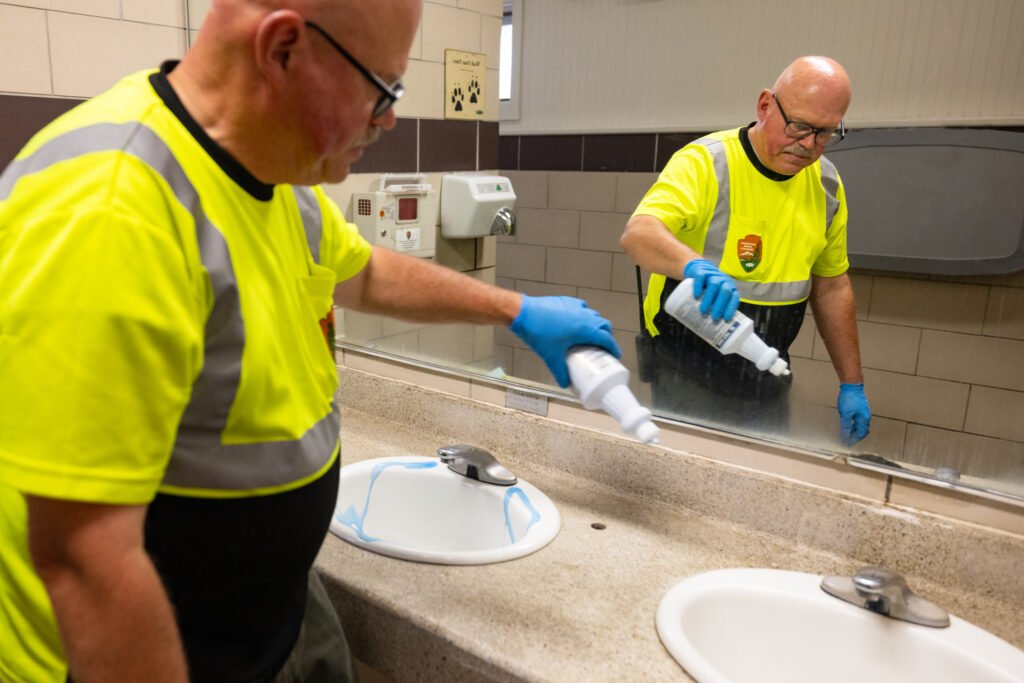
Maintaining Guest-Ready Facilities Facilities management in hospitality encompasses the ongoing work of maintaining a property physical infrastructure, including heating, ventilation, and air conditioning systems, plumbing and electrical systems, elevators, kitchen equipment, and general building upkeep, all aimed at ensuring the property remains safe, comfortable, and fully operational for guests at all times. Although this work
Facilities Management in Hospitality Read More »
Facilities management in hospitality is the discipline of maintaining and operating the physical infrastructure, systems, and equipment of a hospitality property to ensure guest safety, comfort, and operational continuity.
Overview Food and beverage cost control encompasses the practices restaurants use to track and manage the cost of ingredients and beverages relative to the revenue they generate. Standardized Recipes and Portioning Standardized recipes specify exact ingredient quantities and preparation methods, helping ensure that food cost percentages remain consistent and predictable regardless of which kitchen staff
Food and Beverage Cost Control Read More »
Food and beverage cost control is the set of practices used to monitor and manage ingredient, labor, and waste costs relative to menu pricing and sales revenue.
Overview Food safety in food service encompasses the practices, training, and regulations designed to prevent foodborne illness through proper food handling, storage, and preparation. Temperature Control Food safety protocols center heavily on temperature control, since the so-called temperature danger zone, roughly between 40 and 140 degrees Fahrenheit, allows bacteria to multiply rapidly if food remains
Food Safety in Food Service Read More »
Food safety in food service covers the practices and regulations that prevent foodborne illness through proper handling, storage, preparation, and temperature control.
Overview Front of house service standards establish the protocols guest-facing restaurant staff follow, covering greeting guests, taking orders, delivering food, and handling payment. Timing Benchmarks Many restaurants set specific timing benchmarks for key service moments, such as greeting a table within a set number of minutes or delivering food within a target window, since consistent
Front of House Service Standards Read More »
Front of house service standards are the established protocols and expectations governing guest-facing restaurant staff, covering greeting, order taking, and table service.
Overview Front office operations cover the range of hotel functions responsible for managing guests from the moment they book through departure. Core Functions These include reservations management, guest registration and check-in, key issuance, billing and cashiering, and check-out processing. Supporting Roles Night audit staff reconcile the day financial transactions, while concierge and bell staff support
Front Office Operations Read More »
Front office operations encompass the hotel functions that manage guest arrival, registration, room assignment, billing, and departure.
Overview Group travel management involves coordinating logistics, bookings, and communication for multiple travelers journeying together under a single itinerary. Rate Negotiation Group organizers often negotiate discounted rates with hotels, airlines, and activity providers in exchange for guaranteeing a minimum number of travelers, creating savings unavailable to individual bookers. Coordination Challenges Managing a group itinerary requires
Group Travel Management Read More »
Group travel management is the coordination of travel logistics, bookings, and itineraries for multiple travelers moving together as a single party.
Designing the Guest Journey Guest experience management involves systematically mapping and intentionally designing every point at which a guest interacts with a hospitality business, from initial discovery and booking through arrival, the stay or visit itself, departure, and any post-visit follow-up communication, treating this entire sequence as a connected journey rather than a series of
Guest Experience Management Read More »
Guest experience management is the deliberate design and oversight of every point of contact a guest has with a hospitality business, aimed at creating consistently positive and memorable interactions.
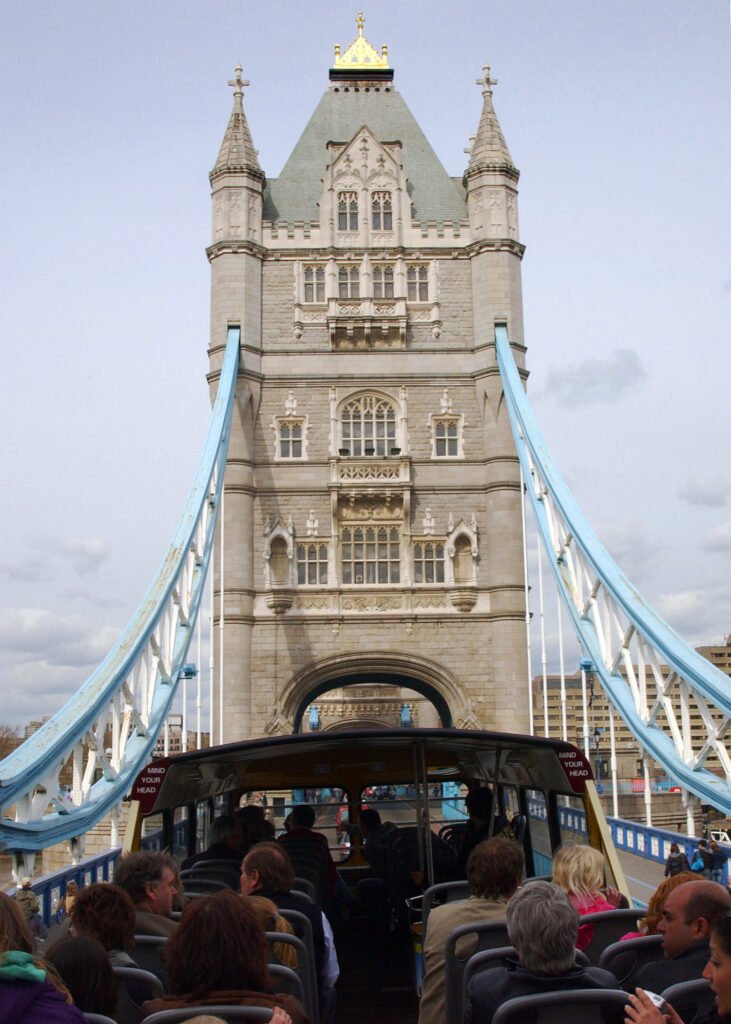
Overview A guided tour pairs travelers with a trained guide who leads the group through a planned itinerary while providing commentary about the places visited. Guide Responsibilities Beyond providing historical or cultural interpretation, guides manage group logistics such as timing, transportation coordination, and handling unexpected disruptions during the tour. Licensing and Certification Many destinations require
Guided Tour Read More »
A guided tour is an organized travel experience led by a trained tour guide who provides commentary, manages logistics, and directs the group itinerary.
Workforce Management Challenges Hospitality human resources management confronts several challenges that distinguish it from workforce management in many other industries, most notably persistently elevated employee turnover rates that researchers and industry reports consistently find exceed those in many comparable service sectors. Contributing factors commonly cited include irregular scheduling that often includes nights, weekends, and holidays
Hospitality Human Resources Read More »
Hospitality human resources is the specialized practice of recruiting, training, scheduling, and retaining the service-oriented workforce that hospitality businesses depend on to deliver guest experiences.