Scope of Wildlife Rehabilitation Practice
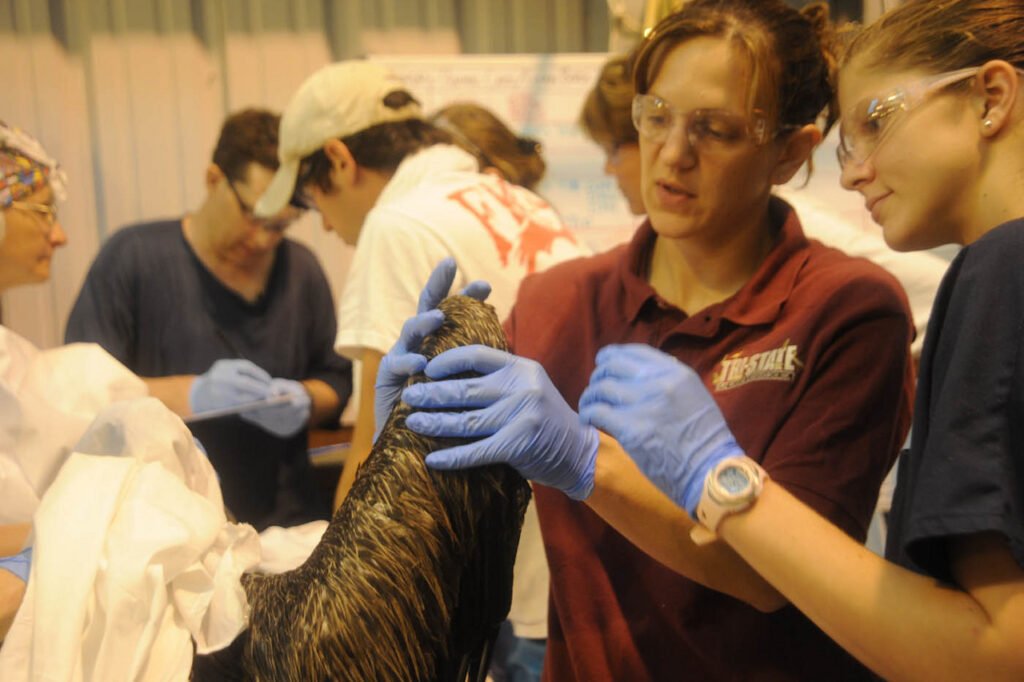
Wildlife rehabilitation addresses the short-term medical and husbandry needs of injured, orphaned, or displaced wild animals with the explicit goal of eventual release back into their natural habitat, distinguishing it from permanent captive care facilities such as zoos. Rehabilitators handle an enormous diversity of species, from songbirds and small mammals to occasionally larger wildlife, each requiring specialized knowledge of natural history, nutrition, and species-appropriate handling that differs substantially from standard companion animal veterinary practice.
Licensing and Regulatory Oversight
Most jurisdictions require wildlife rehabilitators to obtain specific permits separate from general veterinary licensure, reflecting the specialized knowledge required and the legal protections surrounding native wildlife species. Regulatory oversight typically governs which species a given facility may handle, record-keeping requirements, and release protocols, intended to prevent well-meaning but poorly informed intervention from causing more harm than benefit to wild populations or individual animals.
Avoiding Imprinting and Habituation
A central challenge in rehabilitating young or orphaned wildlife involves preventing inappropriate imprinting on human caretakers or habituation to human presence, both of which can compromise an animal’s ability to survive independently after release. Techniques to minimize this risk include limiting direct human contact, using surrogate parent figures or conspecific companions when possible, and in some cases employing puppet-feeding methods that avoid direct visual association between the animal and human caretakers during critical developmental stages.
Release Criteria and Post-Release Monitoring
Before release, rehabilitated animals must typically demonstrate full physical recovery, including flight capability for birds or appropriate mobility for mammals, along with evidence of natural foraging and predator-avoidance behavior. Release site selection considers habitat suitability, existing population density, and seasonal timing to maximize survival odds. Post-release monitoring, including radio tracking in some cases, has provided valuable data on rehabilitation success rates, though comprehensive long-term monitoring remains resource-intensive and is not universally conducted across all rehabilitation cases.
Educational and Public Engagement Role
Many wildlife rehabilitation centers serve an educational function alongside direct animal care, hosting public programs that raise awareness about local wildlife, human-wildlife conflict prevention, and the circumstances, often linked to human activity such as vehicle collisions or habitat disruption, that drive the need for rehabilitation in the first place. This educational mission helps build broader public support for wildlife conservation while also providing practical guidance on reducing preventable wildlife injuries within the surrounding community.
Common Causes of Wildlife Injury and Orphaning
Wildlife rehabilitation caseloads often reflect the specific human-related hazards present in a given region, including vehicle collisions, window strikes among birds, entanglement in fishing line or netting, and orphaning following the death of a parent animal from human-caused or natural causes. Understanding these patterns allows rehabilitation organizations to pair direct animal care with public education campaigns targeting the most common preventable causes of wildlife injury within their service area.
Funding and Resource Constraints
Wildlife rehabilitation centers typically operate as nonprofit organizations facing chronic funding constraints, since this specialized veterinary and husbandry work rarely generates revenue comparable to its actual costs. Many facilities rely heavily on volunteer labor, donated veterinary services, and public donations to sustain operations, creating ongoing capacity limitations that can affect how many animals a given center is able to accept and properly care for during peak seasonal intake periods such as spring, when orphaned young are most commonly found.
Collaboration with Veterinary Medicine
Wildlife rehabilitation increasingly draws on specialized veterinary expertise, particularly for complex medical cases such as orthopedic injuries, toxicological exposure, or infectious disease management that require diagnostic and treatment capability beyond basic husbandry care. Partnerships between rehabilitation centers and veterinary schools or specialized wildlife veterinary practices have expanded access to this expertise, while also providing valuable training opportunities for veterinary students interested in wildlife and exotic species medicine as a career path.
Ethical Considerations in Rehabilitation Decisions
Rehabilitation professionals regularly face difficult ethical decisions regarding when continued treatment is appropriate versus when humane euthanasia better serves an animal’s welfare, particularly for cases involving severe, non-recoverable injury or illness. These decisions require balancing optimism about treatment potential against realistic assessment of likely quality of life and release prospects, guided by professional standards that prioritize the animal’s welfare interest over purely sentimental considerations that might otherwise prolong suffering without a realistic prospect of successful release.
Seasonal Intake Patterns
Wildlife rehabilitation centers typically experience significant seasonal variation in intake volume, with spring and early summer bringing a substantial surge in orphaned young requiring care, often straining facility capacity and staffing resources well beyond typical off-season levels. Many centers develop seasonal volunteer recruitment and foster-care partnership programs specifically to manage this predictable annual surge without compromising the quality of care provided to each individual animal admitted during peak intake periods.
As public awareness of wildlife rehabilitation grows, many organizations report increasing numbers of concerned citizens bringing injured or orphaned animals to their attention, underscoring both the field’s expanding public visibility and the ongoing need for sustained funding to match this rising demand for services.
Continued investment in both direct care capacity and preventive public education will shape how effectively the field can meet growing demand in the years ahead.
Partnerships between rehabilitation centers, veterinary schools, and wildlife agencies continue to strengthen the overall capacity and professionalism of the field nationally.
That strengthened foundation benefits both the animals directly cared for and the broader public that increasingly values this specialized, compassionate work.
Looking forward, many in the field anticipate continued growth in both public engagement and the professional infrastructure supporting high-quality wildlife rehabilitation nationwide.
Steady growth benefits everyone involved.
Key facts
- Array
Quick checkWhy do wildlife rehabilitators take special precautions to prevent young animals from imprinting on human caretakers?Show answer
An animal that imprints on humans during a critical developmental period may fail to recognize or fear natural predators, bond appropriately with its own species, or develop necessary wild survival behaviors, making successful release back into the wild unlikely or unsafe, sometimes permanently disqualifying the animal from release.
Sources
- Array
Editorially reviewed by Specialty Digest Editorial TeamLast reviewed November 4, 2026Researched and drafted with AI assistanceReport an issue