Principles of Habitat Restoration
Habitat restoration seeks to reestablish the ecological structure, composition, and function of a degraded ecosystem, ideally returning it to a condition resembling its pre-disturbance state or a closely analogous healthy reference condition. The discipline draws on ecological theory regarding succession, species interactions, and ecosystem processes to guide intervention design, recognizing that simply planting native species without addressing underlying soil, hydrology, or disturbance regime issues often produces limited long-term success.
Restoration Approaches and Techniques
Restoration practitioners employ a spectrum of intervention intensity depending on site conditions and degradation severity. Passive restoration, which involves removing the source of ongoing degradation, such as grazing pressure or pollution input, and allowing natural recovery processes to proceed, can be effective and cost-efficient for moderately disturbed sites with nearby intact seed sources. More severely degraded sites often require active intervention, including soil remediation, reintroduction of native vegetation, and sometimes reintroduction of key animal species that perform essential ecological functions such as seed dispersal or soil aeration.
Wetland and Riparian Restoration
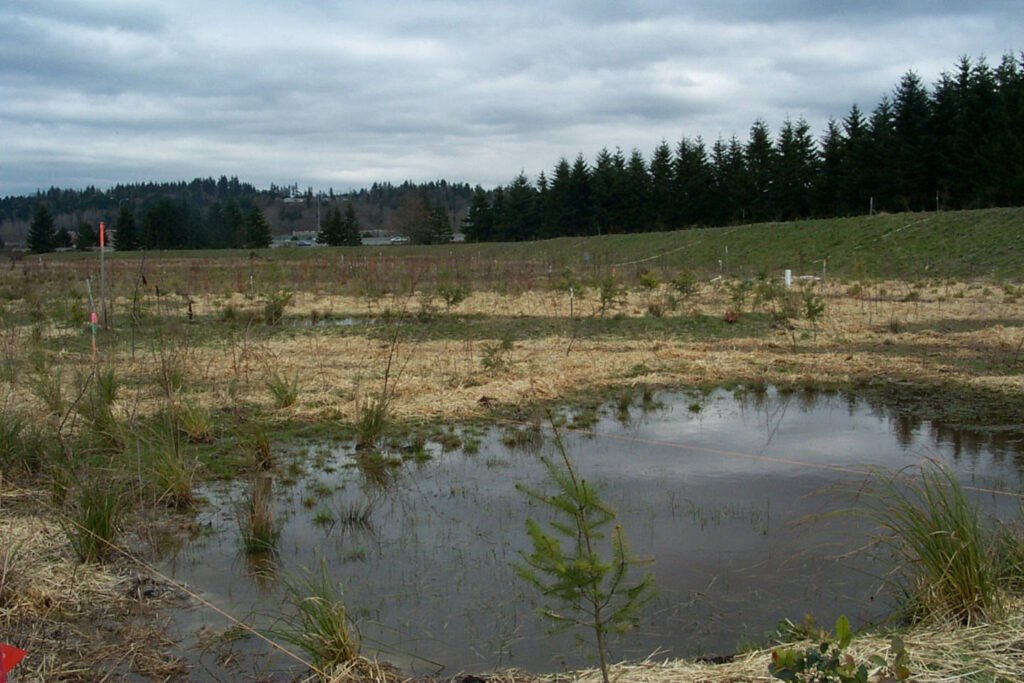
Wetland and riparian zone restoration has received particular conservation attention given these ecosystems’ disproportionate value for water filtration, flood mitigation, and wildlife habitat relative to their land area. Restoring natural hydrology, including reconnecting floodplains or removing artificial drainage infrastructure, often forms a foundational first step, since vegetation and wildlife recovery efforts frequently fail if underlying water flow patterns remain altered from their natural state.
Challenges and Limitations
Habitat restoration faces significant practical challenges, including the difficulty of fully replicating complex ecological relationships that developed over long timescales, persistent soil or water contamination, and ongoing pressure from surrounding land uses that can undermine restoration gains. Climate change adds further complexity, as restoration targets based on historical reference conditions may become increasingly unsuitable under shifting temperature and precipitation patterns, prompting some practitioners to consider forward-looking restoration targets anticipating future rather than purely historical conditions.
Measuring Restoration Success
Evaluating restoration outcomes requires monitoring across multiple timescales and ecological indicators, including vegetation cover, species diversity, soil health, and the eventual return of target wildlife species. Short-term vegetation establishment does not guarantee long-term ecological function, making sustained monitoring essential for distinguishing genuine restoration success from superficial early-stage improvement that may not persist without continued management attention over subsequent years and decades.
Forest and Grassland Restoration
Forest restoration efforts range from reforestation using native tree species to more complex approaches addressing soil microbiome health and understory vegetation recovery necessary for full ecological function. Grassland restoration similarly requires attention to fire regime, since many grassland ecosystems evolved alongside periodic natural or human-managed fire that suppresses woody plant encroachment and maintains the open structure characteristic of healthy grassland habitat, meaning fire exclusion can itself become a barrier to successful restoration in these ecosystem types.
Role of Native Seed Sources
Successful restoration projects increasingly prioritize locally sourced native seed and plant material, recognizing that genetic adaptation to local climate and soil conditions improves establishment success compared to generic or non-local native stock. This has driven growth in native seed supply industries and seed banking programs designed to ensure adequate genetically appropriate material is available to meet growing restoration demand across increasingly large-scale landscape restoration initiatives worldwide.
Urban Ecological Restoration
Habitat restoration increasingly extends into urban and peri-urban settings, where even small-scale green space restoration, such as pollinator gardens or daylighted urban streams, can provide meaningful wildlife habitat value and ecological connectivity within otherwise heavily developed landscapes. Urban restoration projects often carry additional social co-benefits, including improved stormwater management, urban heat mitigation, and recreational and educational value for nearby human communities, broadening the case for restoration investment beyond purely ecological considerations alone.
Long-Term Monitoring and Adaptive Management
Successful restoration projects require sustained long-term monitoring well beyond the initial implementation phase, since many ecological outcomes, including full wildlife community recolonization, can take years or decades to manifest fully. Adaptive management approaches, which adjust restoration techniques based on ongoing monitoring feedback rather than rigidly following an initial plan regardless of observed outcomes, have become increasingly standard practice as restoration science has matured and recognized the inherent uncertainty involved in predicting complex ecological recovery trajectories.
Measuring Ecosystem Service Recovery
Beyond species and habitat metrics, restoration success increasingly incorporates ecosystem service recovery measures, including water filtration capacity, carbon sequestration, and flood mitigation value, recognizing that these functional benefits often matter as much to funders and surrounding communities as biodiversity metrics alone. This broader framing has helped restoration projects attract funding from sources beyond traditional conservation philanthropy, including climate adaptation and water management budgets increasingly interested in nature-based solutions.
As climate pressures and habitat loss continue to intensify globally, habitat restoration is likely to remain an increasingly central conservation strategy, complementing protection of remaining intact ecosystems with active recovery of landscapes already degraded by past human activity.
Sustained funding, realistic timelines, and strong community partnership remain essential ingredients for translating restoration ambition into genuine, lasting ecological recovery on the ground.
Collaboration across landowners, agencies, and scientists continues to shape how restoration priorities are set and implemented at landscape scale.
These partnerships increasingly determine which degraded landscapes receive priority attention and the resources needed to restore them successfully over time.
Restoration practitioners increasingly share lessons learned across projects, building a growing body of practical knowledge that improves outcomes for future restoration efforts everywhere.
These shared lessons, applied consistently, steadily raise the overall success rate of restoration work across the wider conservation community.
Patience and sustained commitment remain the defining requirements for turning restoration ambition into lasting ecological reality.
Key facts
- Array
In the news
Quick checkWhy do restoration ecologists often use a reference ecosystem as a benchmark for measuring project success?Show answer
A reference ecosystem, typically a relatively intact example of the target habitat type, provides a concrete, measurable standard for species composition, structure, and function against which a restoration project's progress can be evaluated, rather than relying on vague or subjective notions of what a restored site should eventually look like.
Sources
- Array
Editorially reviewed by Specialty Digest Editorial TeamLast reviewed November 4, 2026Researched and drafted with AI assistanceReport an issue