A classification scheme is a structured system of categories used to organize library materials or information by subject, providing the underlying logical framework that determines how related items are grouped together and where they are physically located on the shelf. Every classification scheme must address the fundamental challenge that knowledge does not divide neatly into
Classification Scheme Read More »
A classification scheme is a structured system of categories used to organize library materials or information by subject so that related items can be grouped and located systematically.
Classroom management refers to the techniques and strategies teachers use to organize a learning environment, establish routines, and address student behavior so that instructional time is used productively rather than lost to disruption. Kounin’s foundational research Psychologist Jacob Kounin conducted influential classroom observation research establishing that effective classroom management depends less on how teachers punish
Classroom management Read More »
The techniques teachers use to organize the learning environment and address behavior so instructional time is used productively.
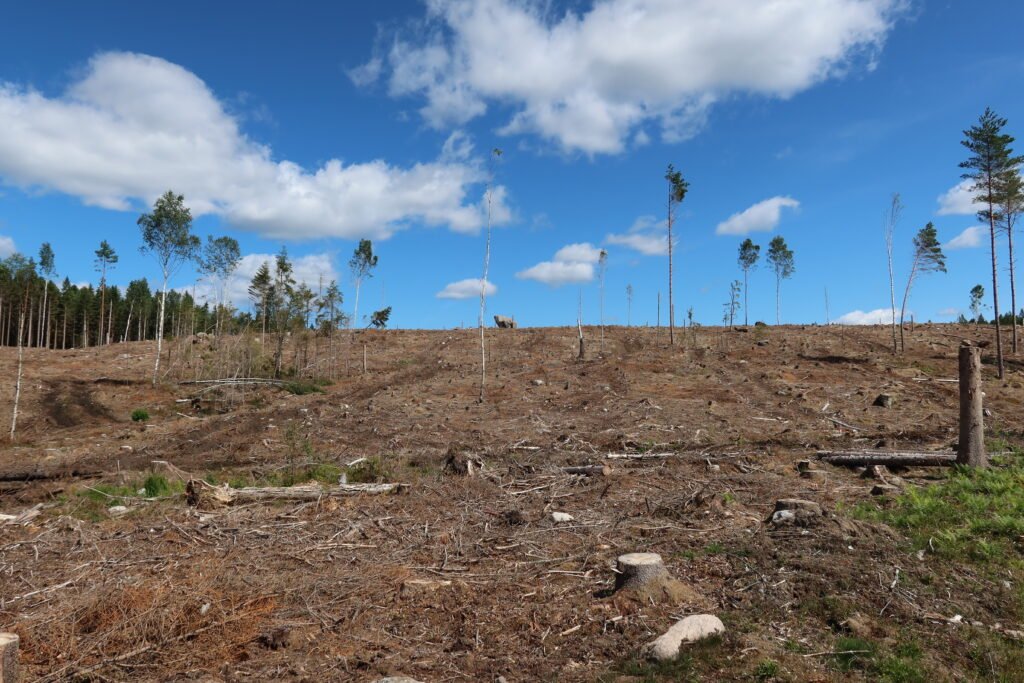
Clear-cutting is a forest harvesting method in which all or nearly all trees in a designated area are removed in a single operation, leaving an open site that then regenerates naturally or through replanting. Why Clear-Cutting Is Used Foresters favor clear-cutting for tree species that require full sunlight to regenerate, such as aspen and lodgepole
Clear-Cutting Read More »
A forest harvesting method that removes all or nearly all trees from an area in a single operation, followed by natural or planted regeneration.
Climate change is a long-term shift in the average weather patterns that define Earth’s climates, including temperature, precipitation, and wind patterns, measured over decades rather than days or years. Since the mid-20th century, human activity, chiefly the burning of fossil fuels, has been the main driver of the changes scientists have observed, though natural factors
Climate change Read More »
Climate change is a long-term shift in Earth's average weather patterns, driven mainly by human greenhouse gas emissions since the mid-20th century.
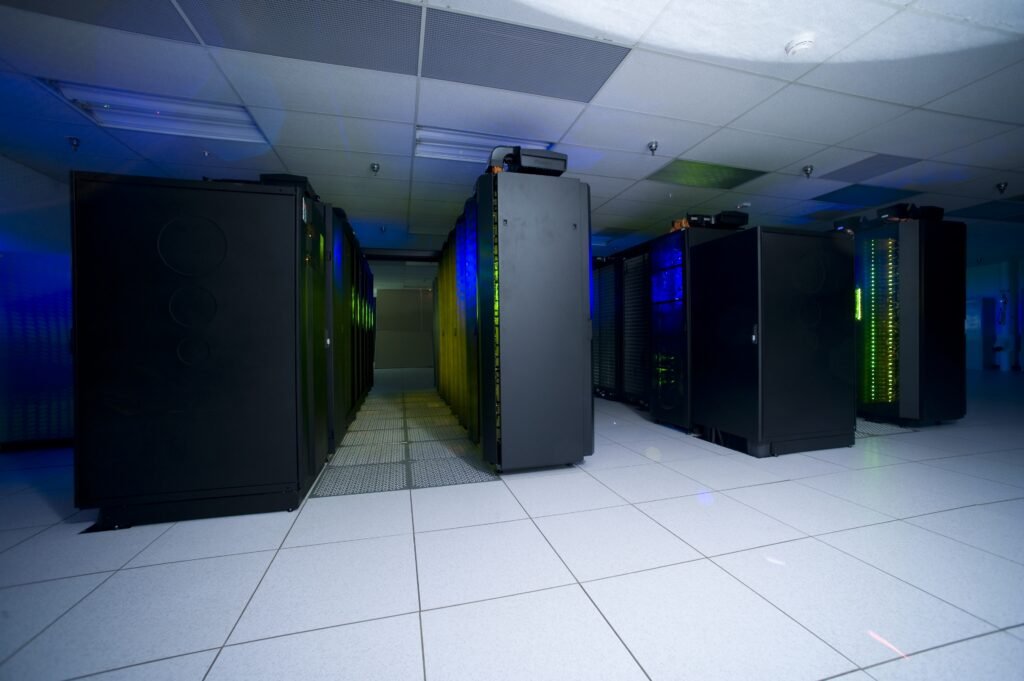
A climate model is a computer-based representation of Earth’s climate system that uses mathematical equations describing physical laws to simulate how the atmosphere, oceans, land surface, and ice interact over time. These models range from simple energy-balance calculations that can run on a laptop to enormous general circulation models that require some of the world’s
Climate Model Read More »
A climate model is a computer-based simulation of Earth's climate system used to understand climate processes and project future change.
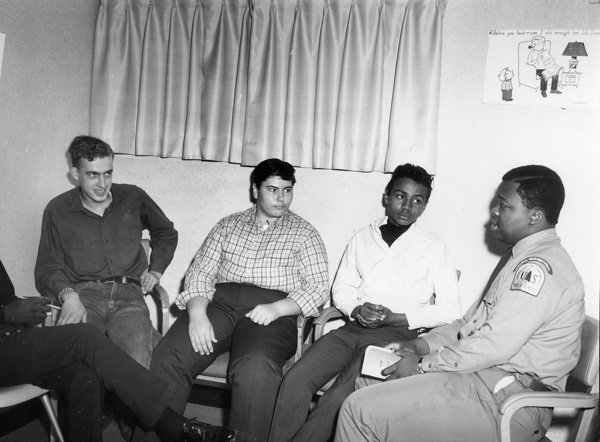
Scope of Clinical Practice Clinical social workers provide many of the same psychotherapy services associated with other licensed mental health professionals, including individual, family, and group therapy for conditions ranging from depression and anxiety to more severe and persistent mental illness. What distinguishes clinical social work from other mental health disciplines is its characteristic attention
Clinical Social Work Read More »
Clinical social work is a specialized area of practice in which licensed social workers provide mental health assessment, diagnosis, and psychotherapy to individuals, families, and groups.
A clinical trial is a research study conducted with human volunteers to evaluate whether a new medical treatment, device, or intervention is safe and effective before it becomes available for general use. Clinical trials follow a structured, carefully regulated process designed to generate reliable evidence while protecting the rights and wellbeing of the people who
Clinical trial Read More »
A research study with human volunteers to evaluate whether a new medical treatment is safe and effective.
Cloud computing is the delivery of computing resources, including servers, storage, databases, and software, over the internet, letting individuals and organizations use and pay for these resources on demand rather than purchasing, installing, and maintaining their own physical computer hardware. Instead of a company buying servers and housing them in its own facility, cloud computing
Cloud Computing Read More »
The delivery of computing resources like servers, storage, and software over the internet, used and paid for on demand.
Cluster analysis is a data analysis technique that groups a set of objects or observations into clusters, so that items within the same cluster are more similar to one another than they are to items in other clusters, based purely on patterns found in the data rather than any predefined categories decided in advance. Unlike
Cluster Analysis Read More »
A data analysis technique that groups similar objects together into clusters based on patterns in the data, without predefined categories.
Overview Coaching effectiveness refers to the degree to which a coach actions and decisions produce positive outcomes for athletes, encompassing not only competitive performance but also skill development, motivation, and psychological wellbeing. Researchers studying coaching effectiveness generally caution against relying solely on win-loss records as a measure, since team success depends on many factors beyond
Coaching Effectiveness Read More »
The degree to which a coach actions and decisions produce positive outcomes for athletes, including improved performance, skill development, and psychological wellbeing.