Child abuse and neglect describes harm or the risk of harm to a child caused by a parent or caregiver. The federal Child Abuse Prevention and Treatment Act sets minimum definitions that every state must incorporate into its own law, though states vary in how specifically they define thresholds for intervention. Categories of Maltreatment Physical
Child Abuse and Neglect Read More »
Harm or the risk of harm to a child caused by a parent or caregiver, including physical, sexual, and emotional abuse and the failure to provide for basic needs.
Child Protective Services is the government agency function responsible for receiving, investigating, and responding to reports that a child may be experiencing abuse or neglect. Every state in the United States operates some version of this system, usually housed within a larger health or human services department, though the exact name and structure differ from
Child Protective Services Read More »
The government agency function responsible for investigating reports of child abuse or neglect and intervening to protect children.
Child welfare policy is the body of federal and state law, regulation, and funding structure that governs how child protection and foster care systems operate. While day-to-day casework happens at the state and county level, a handful of federal laws set the framework every state system must follow. Major Federal Laws The Social Security Act
Child Welfare Policy Read More »
The body of federal and state law and funding structures that govern how child protection and foster care systems operate.
Christianity is a monotheistic religion centered on the life, teachings, death, and resurrection of Jesus of Nazareth, whom adherents believe to be the Son of God and the savior of humanity. It originated among Jewish followers of Jesus in first-century Roman Judea and has since grown into the world’s largest religion by number of adherents,
Christianity Read More »
A monotheistic religion centered on the life, death, and resurrection of Jesus of Nazareth, the world's largest religion by adherents.
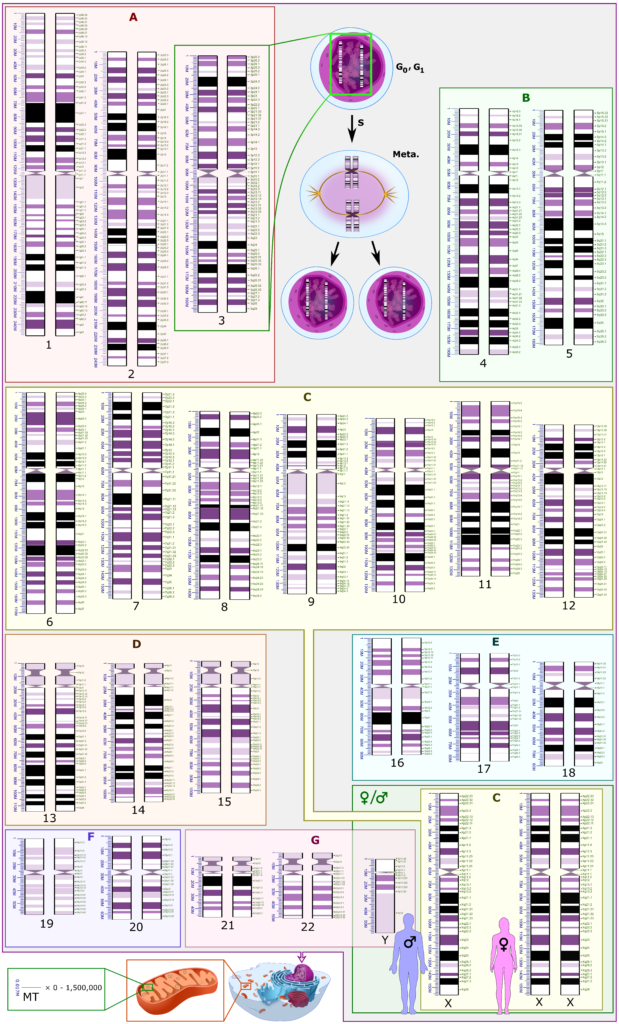
A chromosome is a tightly packaged, thread-like structure made of DNA wound around proteins called histones, which carries the genetic information of an organism and ensures that information is organized, protected, and accurately distributed whenever a cell divides. Each chromosome contains many individual genes arranged along its length, and the number of chromosomes varies considerably
Chromosome Read More »
A tightly packaged, thread-like structure of DNA and protein that carries and organizes an organism genetic information.
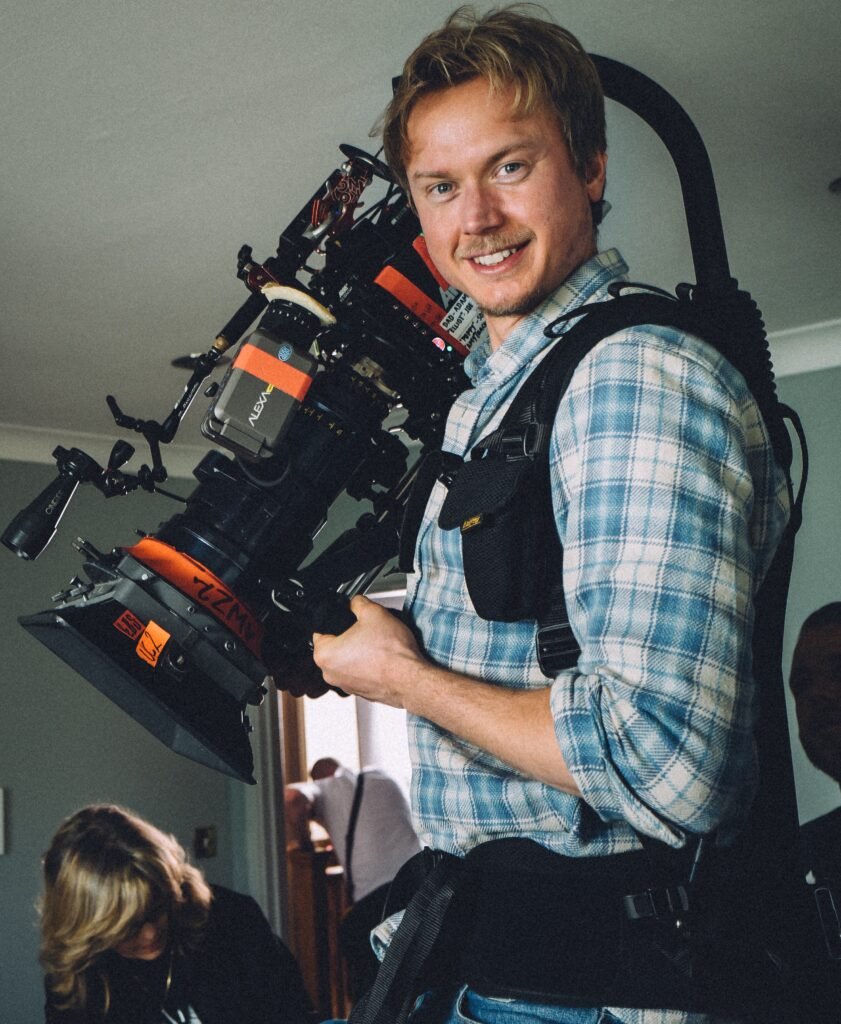
Cinematography is the art and technique of capturing moving images on film or digital sensors, encompassing how a scene is lit, framed, composed, and photographed to create a film’s overall visual style and emotional tone. The person responsible for these creative and technical decisions on a production, the cinematographer or director of photography, works closely
Cinematography Read More »
The art and technique of capturing moving images: lighting, framing, camera movement and lens choice, led by the director of photography.
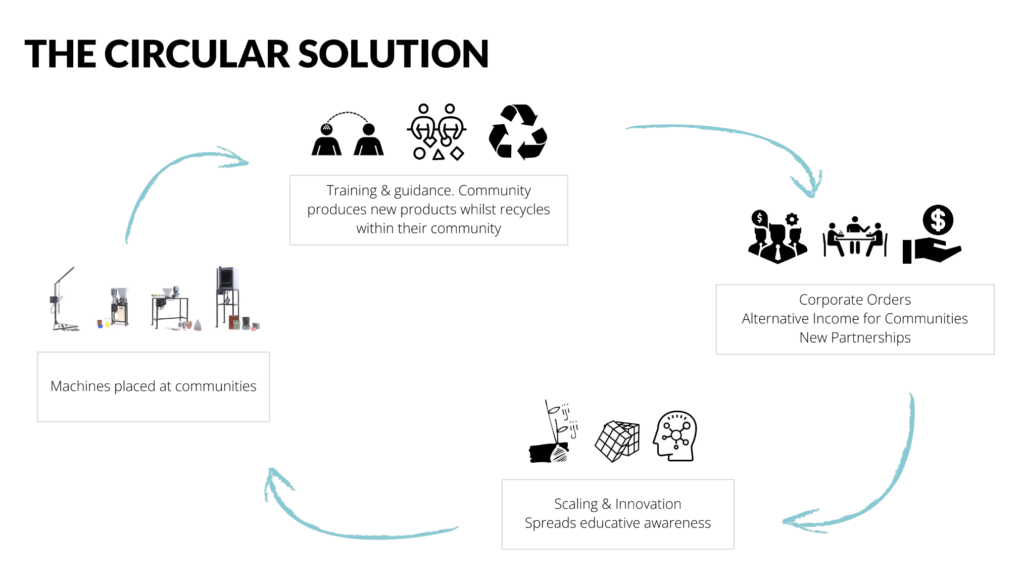
A circular economy is an economic model designed to eliminate waste by keeping materials in use through repair, reuse, and recycling.
Managing the Flow of Materials Circulation services cover the everyday transactions that move materials between a library shelf and a patron hands: checkouts, returns, renewals, and the holds that let a patron reserve an item currently on loan to someone else. For many visitors, the circulation desk is the most frequent point of direct contact
Circulation Services Read More »
The library function that manages the lending, return, and tracking of materials to and from patrons.
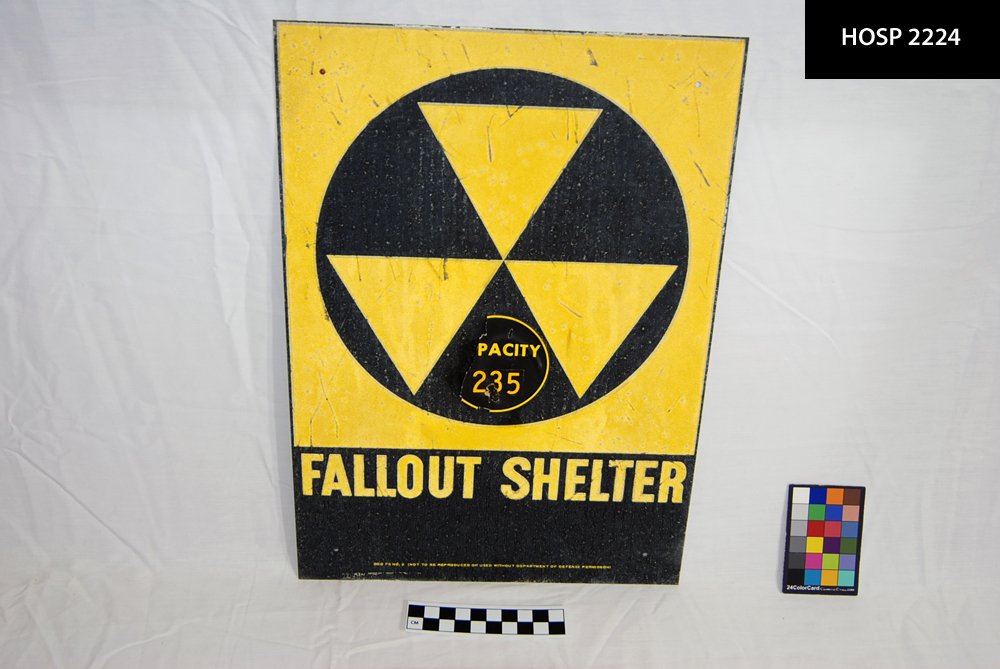
Origins and Cold War Development Civil defense as an organized government function expanded dramatically during the Cold War, when the threat of nuclear attack prompted many nations to build public fallout shelters, establish air raid warning sirens, and conduct civilian preparedness drills. In the United States, programs taught schoolchildren duck and cover procedures, while government
Civil Defense Read More »
Civil defense refers to organized government and community efforts to protect civilian populations from the dangers of war, natural disasters, and other large scale emergencies.
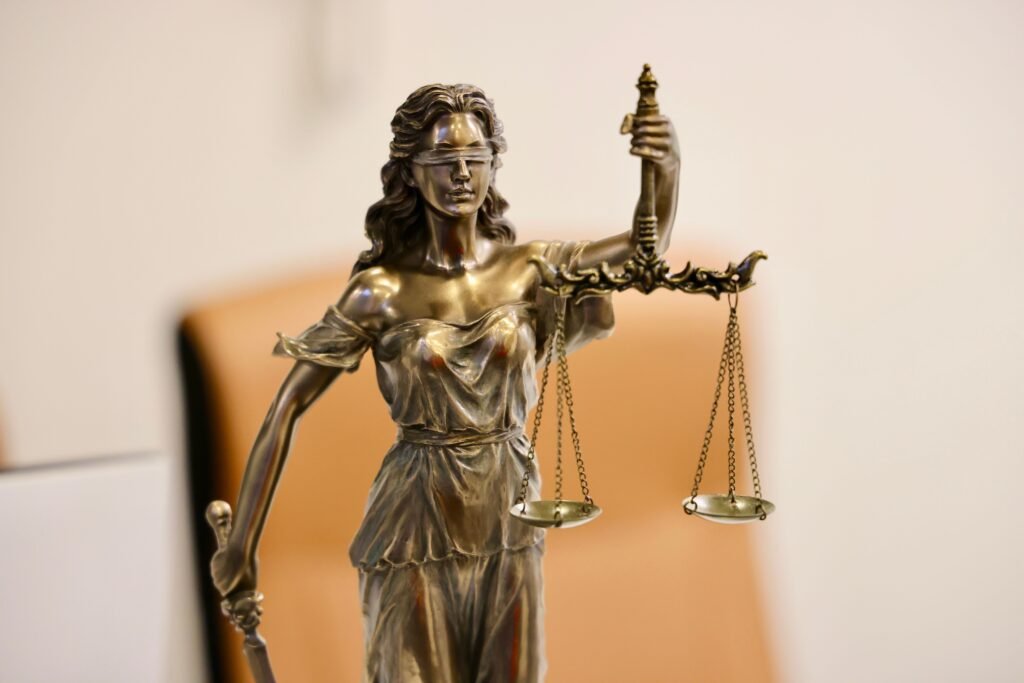
Civil law, within common law legal systems such as those of the United States and the United Kingdom, is the branch of law that governs disputes between private parties, individuals, businesses, or organizations, over their rights and obligations toward one another. It stands apart from criminal law, which addresses offenses against the state and society
Civil Law Read More »
The branch of law governing disputes between private parties over their rights and obligations, distinct from criminal law.