Overview Muscular contraction requires a constant supply of chemical energy, and the body draws on three interconnected metabolic pathways to meet that demand depending on how intense and how long an activity lasts, shifting the balance between them as effort continues. The Three Pathways The phosphagen system provides very rapid energy for efforts lasting only
Energy Systems in Exercise Read More »
The three main metabolic pathways the body uses to produce energy for muscular contraction during activities of varying intensity and duration.
Image: Michigan Environmental Justice Summit by University of Michigan School for Environment and Sustainability, CC BY 2.0, via Wikimedia Commons
Environmental Justice Read More »
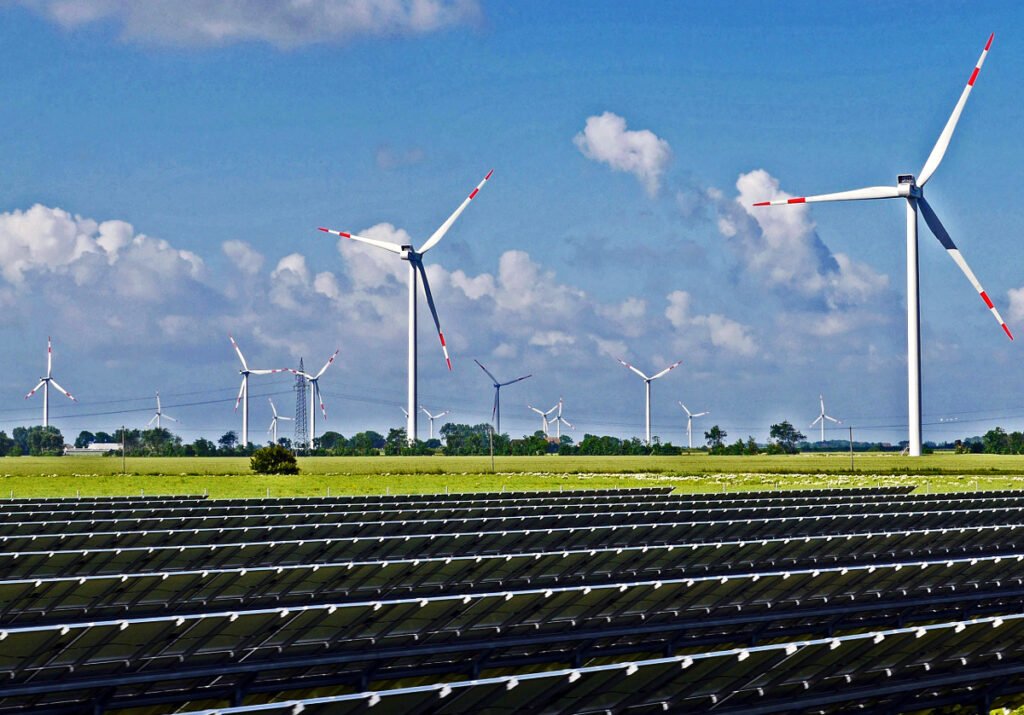
The principle and movement demanding fair treatment and meaningful involvement of all people, regardless of race or income, in environmental decision-making and outcomes.
Environmental policy is the commitment by governments, international bodies, or organizations to adopt laws, regulations, and other tools aimed at managing pollution, waste, natural resources, biodiversity, and the broader health of ecosystems. Its underlying goal is to shape human activity so that economic and social life does not inflict unacceptable harm on the natural systems
Environmental Policy Read More »
Government commitment to laws and tools managing pollution, resources, and ecosystem health.
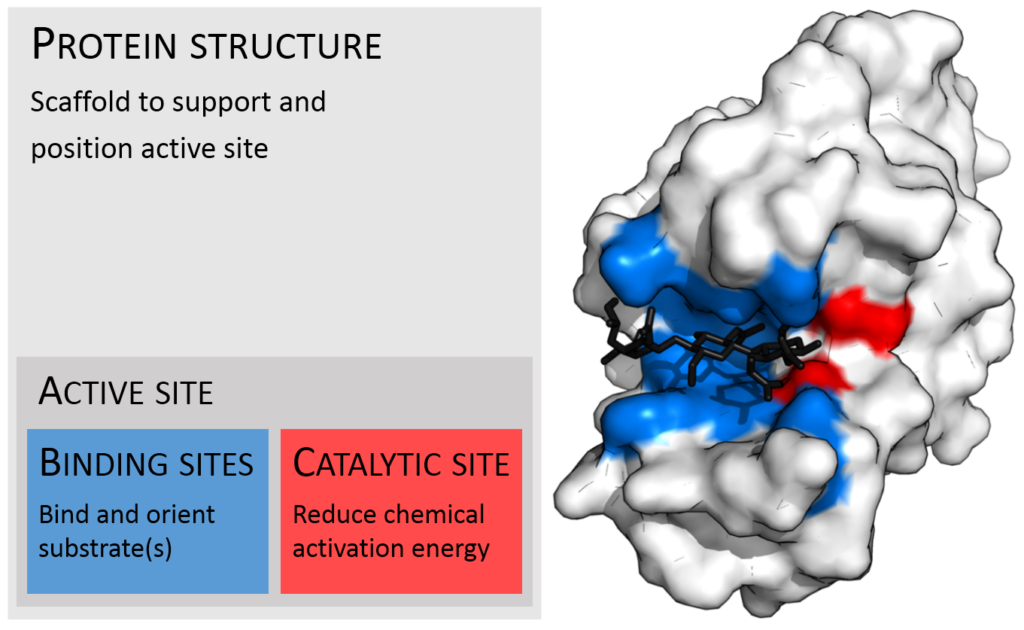
An enzyme is a biological molecule, almost always a protein, that speeds up a specific chemical reaction inside a living organism without itself being permanently changed or consumed in the process. Enzymes act as biological catalysts, often accelerating reactions that would otherwise occur far too slowly to sustain life, sometimes by factors of a million
Enzyme Read More »
A biological molecule, almost always a protein, that speeds up a specific chemical reaction without being consumed.
Epidemiology is the study of how diseases and other health events are distributed across populations, along with the factors that determine that distribution, with the ultimate goal of controlling health problems and improving public health. Rather than focusing on diagnosing or treating a single patient, epidemiologists examine patterns across groups of people, looking at who
Epidemiology Read More »
The study of how diseases and health events are distributed across populations and what drives that distribution.
In simple terms Epistemology is the branch of philosophy that asks what knowledge is, where it comes from, and how far it reaches. The name joins two Greek words: episteme, which can be translated as knowledge, understanding or acquaintance, and logos, which can be translated as account, argument or reason. [1] The label is only
Epistemology Read More »
Epistemology is the branch of philosophy that studies knowledge: what it is, where it comes from and how much of it we can have.
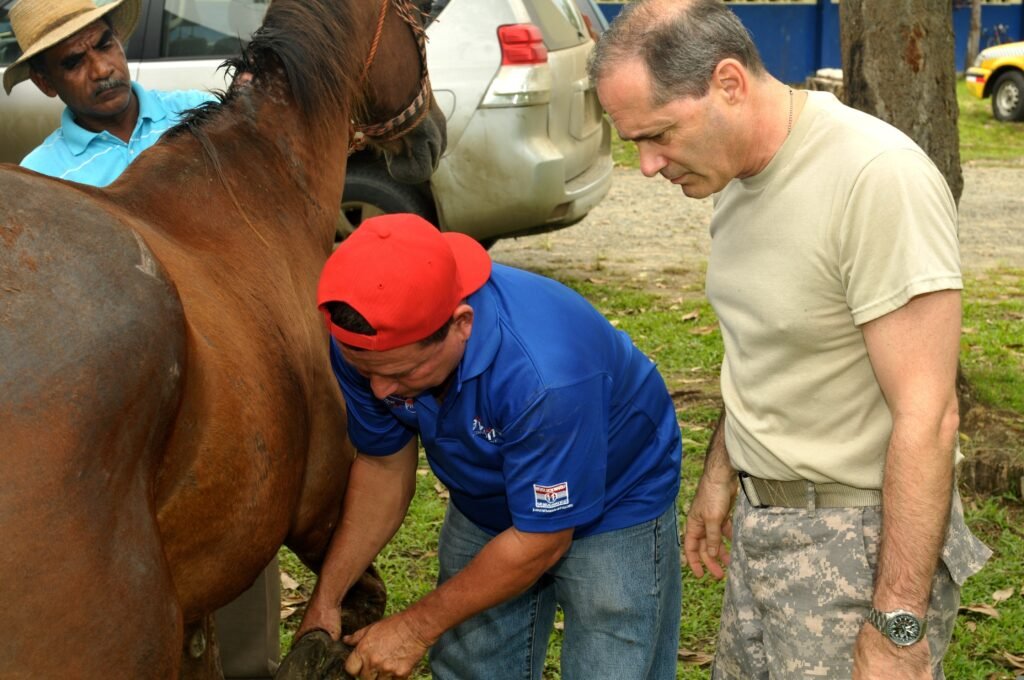
Colic as a Defining Emergency Colic, a general term for abdominal pain in horses, represents one of the most common and potentially serious emergencies equine veterinarians encounter, since the underlying cause can range from relatively mild and self-resolving gas buildup to severe conditions such as intestinal displacement or torsion that can become fatal within hours
Equine Veterinary Medicine Read More »
Equine veterinary medicine is the specialized branch of veterinary practice focused on the health, disease, and care of horses and other equids.
In simple terms Erosion is the wearing away of the land surface, and the carrying of the loosened material somewhere else. The UN Office for Disaster Risk Reduction defines it as the wearing away of the land surface by water, wind, ice, gravity or other natural or human agents that abrade, detach and remove soil
Erosion Read More »
Erosion is the wearing away of the land surface by water, wind, ice or gravity, and the removal of the loosened material elsewhere.
An escalator is a moving staircase, powered by an electric motor, that transports people between floors along a continuous loop of linked steps mounted on a motorized chain, widely used in locations with high pedestrian volume such as shopping centers, transit stations, and airports where continuous passenger flow matters more than the flexibility an elevator
Escalator Read More »
A moving staircase powered by an electric motor that transports people continuously between floors.