Teaching People to Use Information Well Information literacy instruction is the teaching side of library work, built around the idea that finding a source is only the first step and that patrons also need skills to judge whether a source is credible, relevant, and used appropriately. Academic librarians deliver much of this instruction, though public
Information Literacy Instruction Read More »
Teaching activities through which librarians help patrons develop the skills to find, evaluate, and use information effectively.
Finding Relevant Information in Large Collections Information retrieval is the field concerned with locating material relevant to a query within a large body of stored documents, whether that body is a library catalog, a corporate document archive, or the entire indexed web. Every modern search engine rests on principles developed within this field, even though
Information Retrieval Read More »
The science and practice of finding information resources relevant to a query within a large collection of stored material.
Studying How People Pursue Information Information seeking behavior research examines the full human process of recognizing an information need, deciding how to pursue it, searching and evaluating what is found, and ultimately determining whether the need has been satisfied. This broader framing captures far more than the moment someone types a query into a search
Information Seeking Behavior Read More »
The study of how people recognize, pursue, and satisfy their need for information in a given situation.
Inquiry-based learning is an instructional approach in which students develop understanding primarily by asking questions, investigating problems, and drawing their own conclusions from evidence, with the teacher acting as a facilitator who guides the process rather than delivering content directly upfront. Levels of inquiry Education researchers typically describe inquiry-based learning along a spectrum of structure.
Inquiry-based learning Read More »
An instructional approach where students build understanding by asking questions and investigating problems, with the teacher as facilitator.
Overview The Inquisition refers to several distinct institutions established by the Catholic Church across different periods and regions to investigate and address perceived heresy, employing formal interrogation and trial procedures that varied considerably in severity and scope depending on the specific historical and political context involved. Medieval Origins The medieval Inquisition emerged in the thirteenth
Inquisition Read More »
The Inquisition refers to several institutions established by the Catholic Church to investigate and address perceived heresy, most notably in medieval and early modern Europe.
An institutional repository is an online platform operated by a university, research institution, or organization to collect, preserve, and provide open access to the scholarly and research output produced by its members. Typical content includes peer-reviewed journal articles, preprints, conference papers, doctoral dissertations and master theses, datasets, technical reports, and sometimes teaching materials. Unlike subject-based
Institutional Repository Read More »
An institutional repository is an online archive maintained by a university or organization to collect, preserve, and provide open access to its own research output.
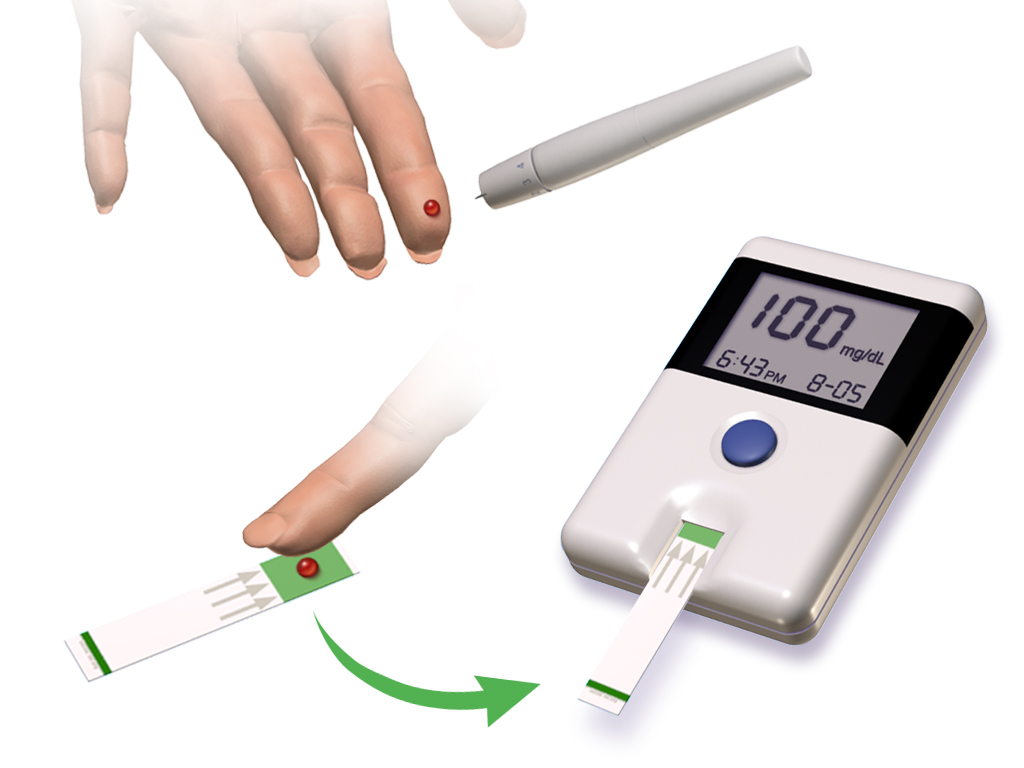
Insulin resistance is a condition in which the body’s cells, particularly in muscle, fat, and liver tissue, respond less effectively to insulin, the hormone responsible for moving glucose out of the bloodstream and into cells for energy use or storage. As cells become less responsive, the pancreas compensates by producing increasing amounts of insulin to
Insulin resistance Read More »
A condition in which cells respond less effectively to insulin, forcing the pancreas to produce more.
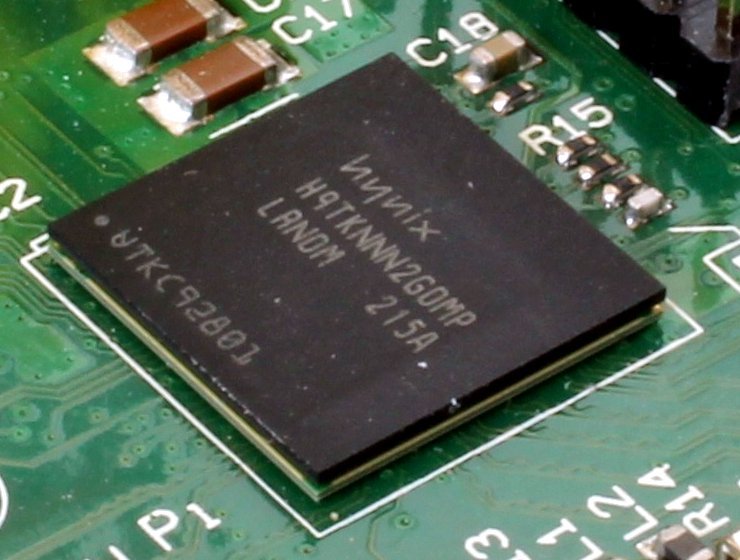
An integrated circuit, often called a chip or microchip, is an electronic circuit built on a single small piece of semiconductor material, usually silicon, that contains many interconnected components such as transistors, resistors, and capacitors. Integrated circuits are the foundation of nearly all modern electronics, from the processors inside computers and phones to the simple
Integrated circuit Read More »
An electronic circuit built on a single piece of semiconductor material, containing many interconnected transistors and other components.
An integrated library system, commonly abbreviated ILS, is software that manages the core day-to-day operations of a library within a single connected platform, including cataloging materials, tracking circulation, handling acquisitions and billing, and powering the public search catalog that patrons use to find items. Before integrated systems became standard, libraries often ran separate, disconnected programs
Integrated Library System Read More »
An integrated library system is software that manages the core operations of a library, including cataloging, circulation, acquisitions, and the public search catalog, within a single connected platform.
Integrated pest management, usually shortened to IPM, is an approach to controlling insects, weeds, and plant diseases that combines several different tactics rather than relying mainly on chemical pesticides. The goal is to keep pests below the level where they cause meaningful economic damage, using the least disruptive and least costly combination of tools available,
Integrated Pest Management Read More »
Integrated pest management is a strategy for controlling agricultural pests that combines biological, cultural, physical, and chemical methods, using pesticides only as a last resort rather than a default.