The Internet Protocol, usually called IP, is the fundamental set of rules that governs how data is addressed and routed across the internet and other computer networks. Every device connected to the internet, from a smartphone to a massive data center server, is assigned an IP address, a unique numerical label that identifies it on
Internet Protocol Read More »
The fundamental set of rules governing how data is addressed in packets and routed across the internet and other networks.
In simple terms An interstellar object formed around another star, was thrown out of that system, and drifted between the stars until it reached ours. It is a visitor, not a resident. The Sun bends its path but never captures it, so the object leaves again and does not return. How it works Astronomers identify
Interstellar object Read More »
An interstellar object is a comet or asteroid that formed around another star and is passing through our solar system without ever orbiting the Sun.
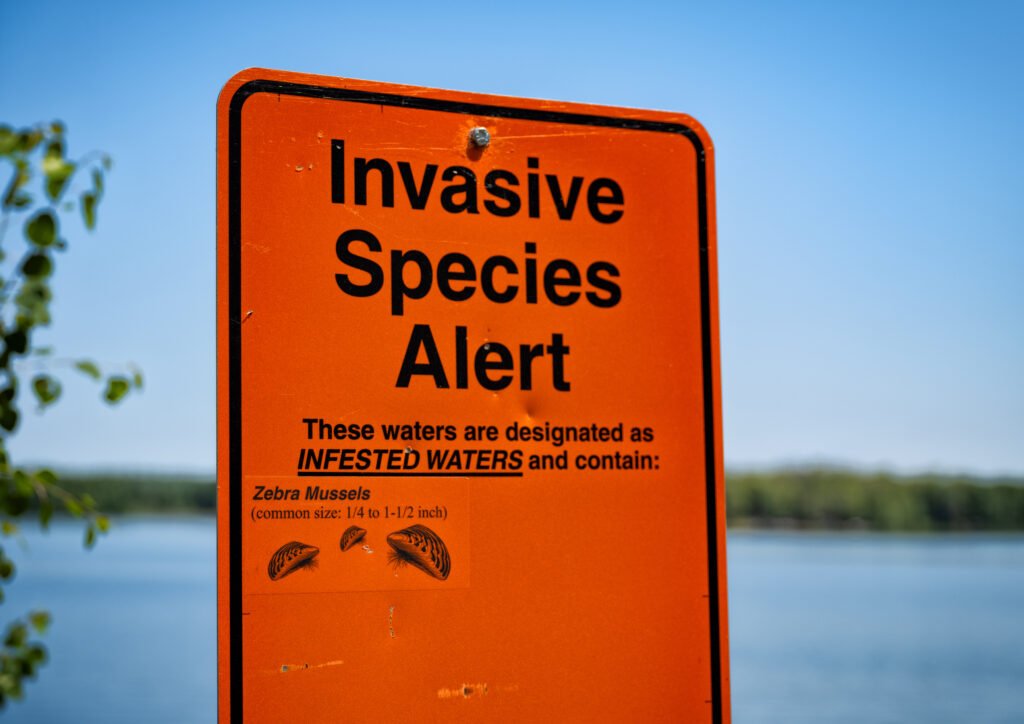
In simple terms An invasive species is an organism living outside its native range that causes ecological or economic harm in its new environment. [2] The harm is the part that matters. Without it, the species is simply non-native. That distinction is not a technicality. Many non-native species are welcome: tomatoes and chili peppers came
Invasive species Read More »
An invasive species is a plant, animal or microbe that is not native to an area and causes harm there.
Purpose of Inventory Management Inventory management tracks and controls the goods a business holds at every stage, from raw materials to finished products ready for sale. Its central challenge is balance: too little inventory risks stockouts and lost sales, while too much ties up cash and increases storage, insurance, and obsolescence costs. Key Methods and
Inventory Management Read More »
Inventory management is the process of ordering, storing, tracking, and controlling a company's stock of raw materials, components, and finished goods.
Investigative journalism is a form of reporting that involves in-depth research, often over weeks or months, to uncover information that individuals or institutions may be actively trying to conceal, such as corruption, fraud, or abuses of power. It differs from routine daily reporting in its scope, resource commitment, and focus on revealing hidden wrongdoing rather
Investigative Journalism Read More »
In-depth reporting that uncovers hidden wrongdoing such as corruption or abuse of power.
The Iron Age is the archaeological period marked by the widespread adoption of iron for tools, weapons, and other implements, following the Bronze Age and, in regions with earlier metalworking, the Stone Age before it. Iron ore is far more abundant in the earth’s crust than the copper and tin needed for bronze, and once
Iron Age Read More »
The archaeological period marked by the widespread adoption of iron for tools and weapons, following the Bronze Age.
Islam is a monotheistic religion founded in seventh-century Arabia, based on the teachings of the Prophet Muhammad as recorded in the Quran, which Muslims believe to be the literal word of God, known in Arabic as Allah, revealed to Muhammad over approximately two decades. It is the world’s second-largest religion by number of adherents, with
Islam Read More »
A monotheistic religion founded in seventh-century Arabia based on the teachings of the Prophet Muhammad as recorded in the Quran.
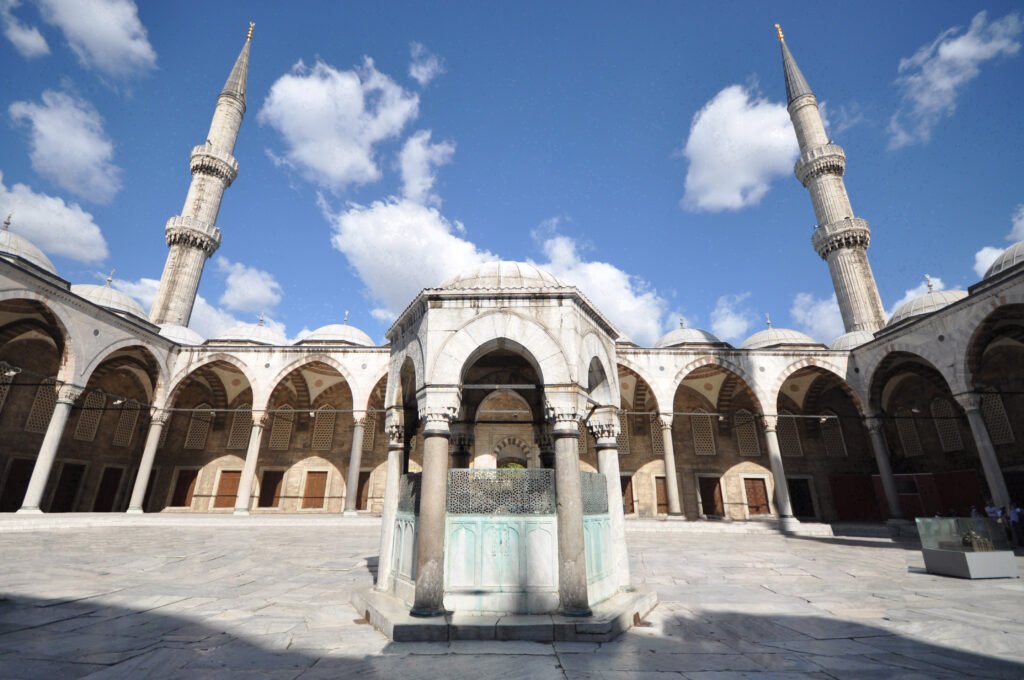
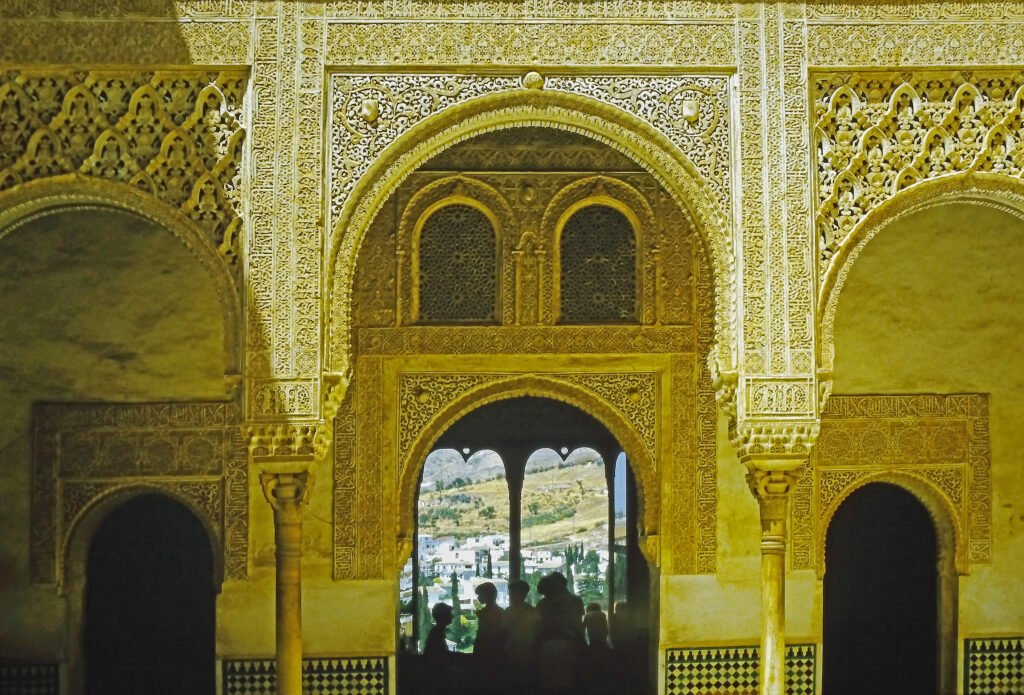
Islamic architecture refers to the building traditions that developed across the Islamic world beginning in the seventh century, encompassing mosques, palaces, tombs, and civic buildings united by a shared visual vocabulary of geometric ornament, calligraphy, and distinctive structural forms even as it took differing shapes across different regions and periods. Core architectural elements A mosque’s
Islamic architecture Read More »
The building traditions of the Islamic world, uniting mosques, palaces, and tombs through shared ornament and structural forms.
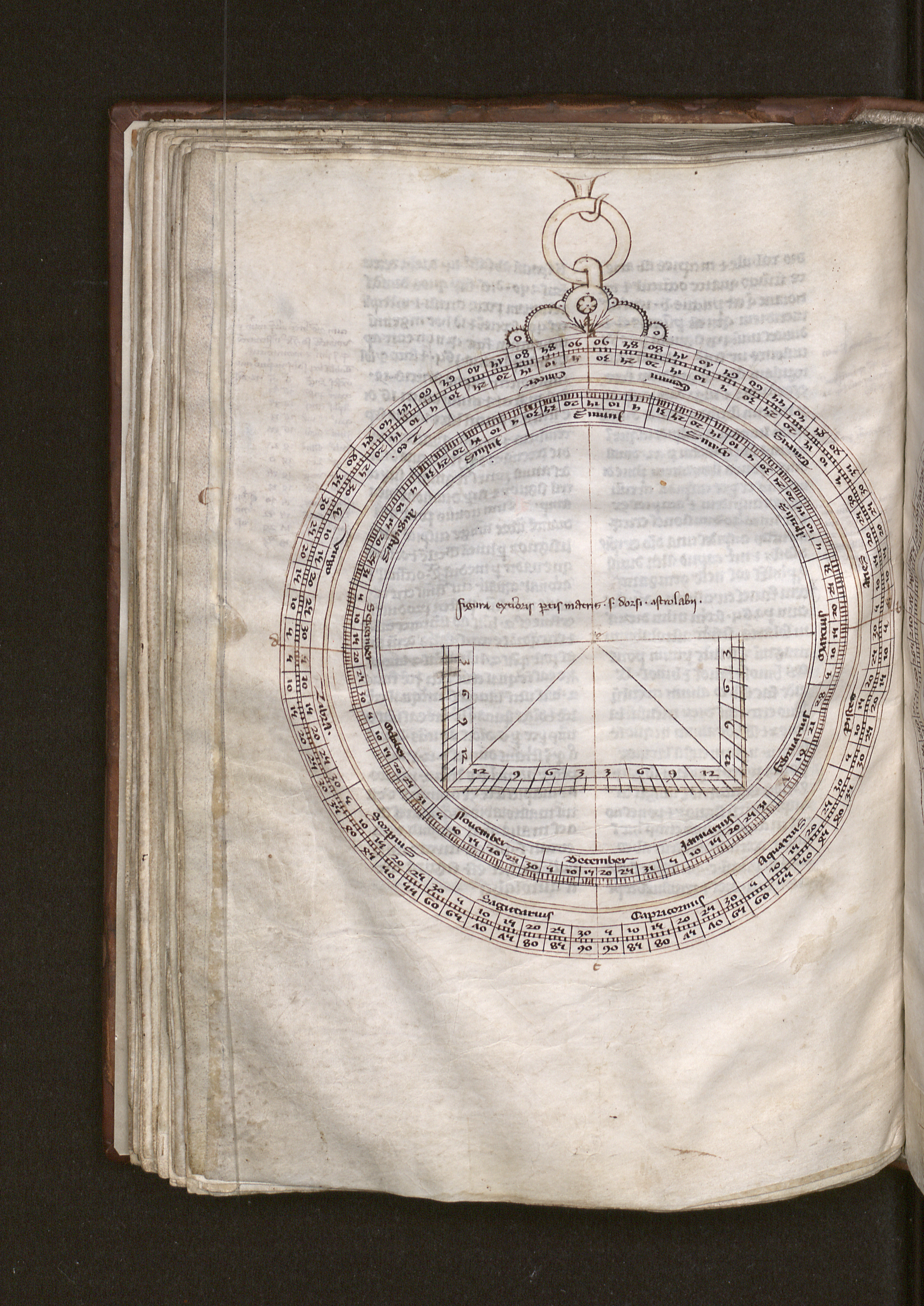
Overview The Islamic Golden Age refers to a remarkable period of scientific, cultural, and economic flourishing across the Muslim world, generally dated from roughly the eighth through the thirteenth centuries, during which scholars working within Islamic civilization made substantial contributions across mathematics, medicine, astronomy, philosophy, and the arts. Centers of Learning Baghdad, capital of the
Islamic Golden Age Read More »
The Islamic Golden Age refers to a period of significant scientific, cultural, and economic flourishing across the Muslim world, roughly from the eighth through the thirteenth centuries.
In simple terms Isotopes are versions of the same element. They carry the same number of protons, which is what makes them that element, but different numbers of neutrons. The International Atomic Energy Agency puts it simply: isotopes share almost the same chemical properties but differ in mass. How it works An isotope is named
Isotope Read More »
Isotopes are atoms of the same element with the same number of protons but different numbers of neutrons, so they differ in mass.