
Microplastics
Image: Microplastics on Famara beach by Emina Mamaca / Ifremer, CC BY 4.0, via Wikimedia Commons
Image: Microplastics on Famara beach by Emina Mamaca / Ifremer, CC BY 4.0, via Wikimedia Commons
Plastic particles smaller than five millimeters that have spread throughout global ecosystems, raising concerns about their effects on wildlife and human health.

Filling the Gap Left by Fixed Routes Microtransit emerged as transit agencies sought a middle option between traditional fixed-route buses, which run efficiently only where ridership is dense and predictable enough to fill a bus along a consistent path, and costly individualized paratransit or taxi service, for lower-density areas where a fixed route would run
Microtransit is a flexible, technology-enabled transit service using smaller vehicles and dynamic routing to serve trips that fixed bus routes cover poorly.
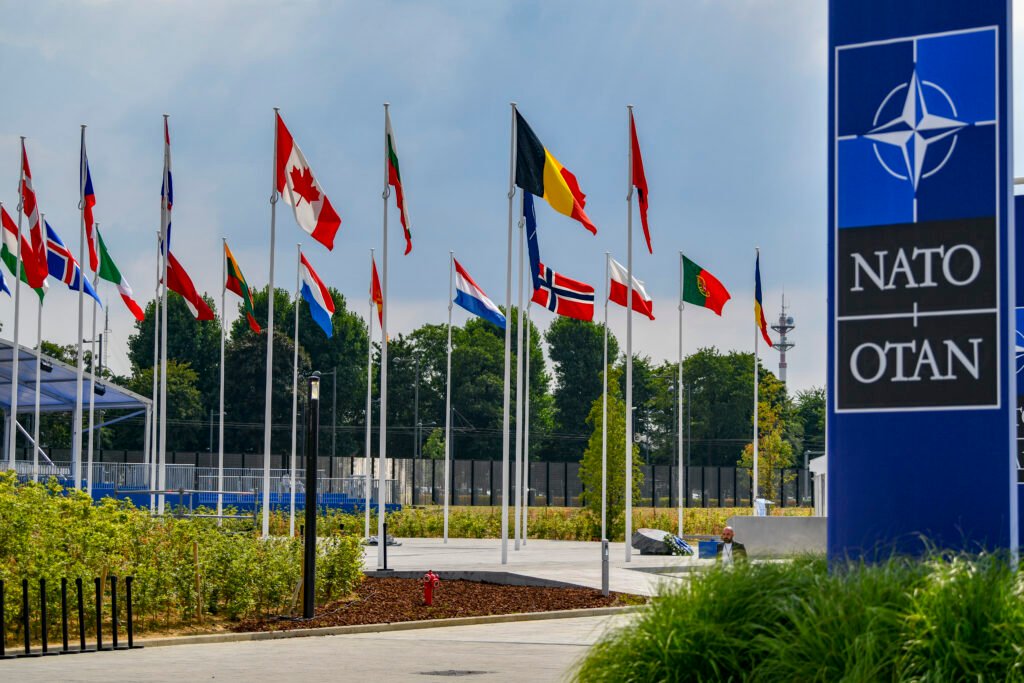
A military alliance is a formal agreement between two or more states establishing mutual obligations related to national security, typically including a commitment to come to one another’s defense if a member is attacked. Alliances let states pool military capability, share the financial and strategic burden of defense, and signal clearly to potential adversaries that
A formal agreement between states establishing mutual defense and security obligations.
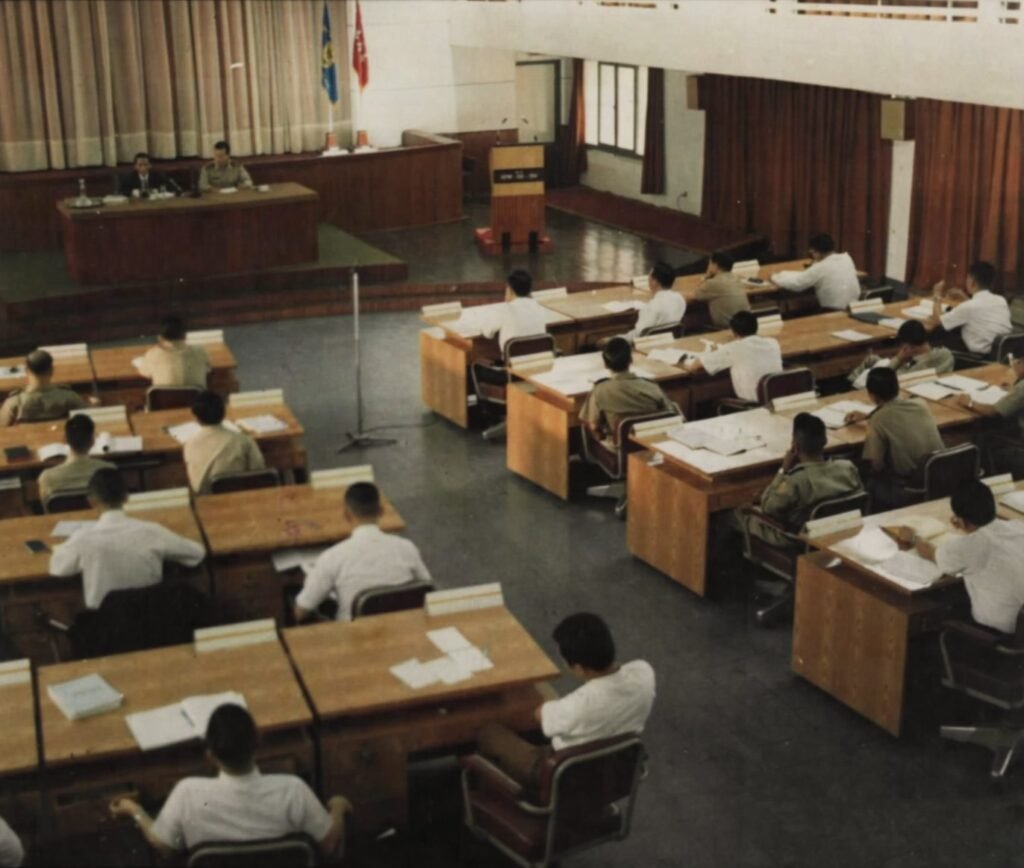
Overview Military doctrine is the body of officially approved principles that guides how an armed force organizes, trains, and employs itself in operations. It functions as a shared professional vocabulary and framework, allowing commanders and units across a large organization to understand how they are expected to fight and cooperate even without detailed, case specific
Military doctrine is the officially sanctioned set of principles and guidelines that describes how a military organization intends to conduct operations and employ its forces.

Overview Military logistics covers the planning, movement, and sustainment of the people, equipment, and supplies that armed forces need to operate. It includes transportation of troops and materiel, the supply of fuel, food, and ammunition, maintenance of vehicles and weapons, and the evacuation and treatment of casualties. Historical importance Logistics has shaped the outcome of
Military logistics is the planning and management of the movement, supply, and maintenance of military forces, covering everything from fuel and ammunition to food, transportation, and equipment repair.
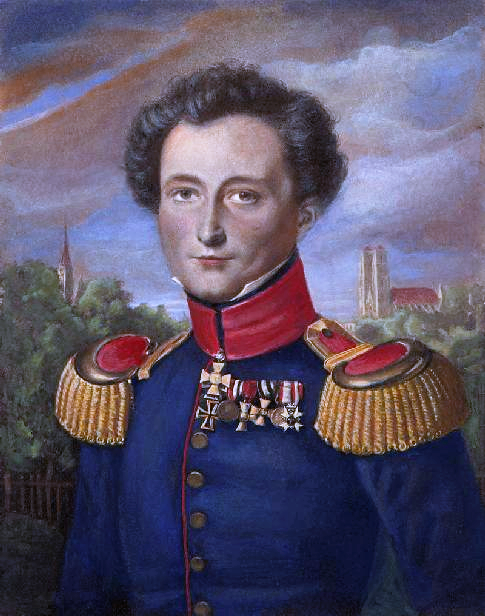
Overview Military strategy is the discipline concerned with planning and directing the large scale use of armed force to achieve the political aims of a state or other organized group. It sits above the level of individual battles, connecting the conduct of campaigns to the broader purposes a government or movement is trying to achieve,
Military strategy is the planning and coordination of armed forces and resources to achieve political objectives through the threat or use of force.

Mindfulness-based therapy is a category of structured psychological treatment that incorporates mindfulness practices, techniques for cultivating present-moment, non-judgmental awareness of thoughts, feelings, and bodily sensations, into a formal therapeutic framework for addressing mental health conditions. Rather than treating mindfulness purely as a general wellness practice, these approaches apply it within a specific clinical structure, often
A category of structured psychological treatment that incorporates mindfulness practices into a clinical framework.
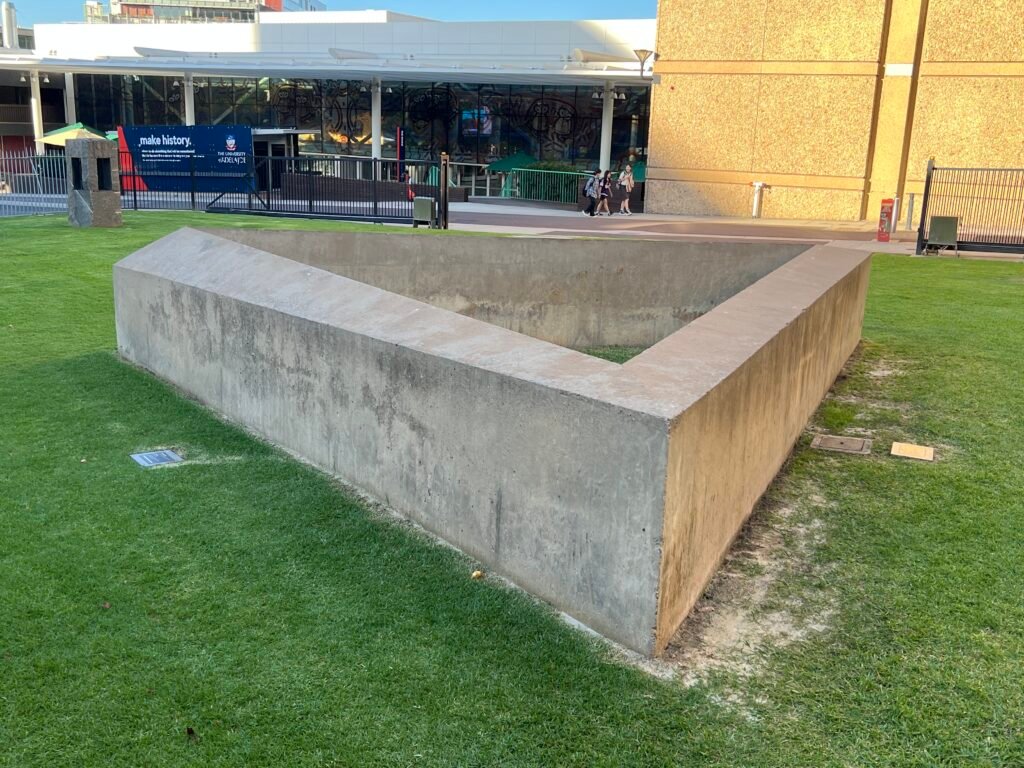
Minimalism is an art and design movement that emphasizes reducing a work to its essential elements, simple geometric forms, industrial materials, and a deliberate absence of personal expression or symbolism, shifting attention toward the physical object itself and the viewer’s direct experience of it. It took shape in New York in the early 1960s, partly
A movement reducing art and design to essential geometric forms and industrial materials, emerging in New York in the early 1960s.

A minimum viable product, commonly abbreviated MVP, is the simplest version of a new product that allows a team to collect the maximum amount of validated learning about customers with the least amount of effort. Rather than building a fully featured product before testing it on real users, teams release a stripped-down version to learn
The simplest version of a new product that allows a team to collect the maximum validated learning about customers with the least effort.

Overview Miranda rights refer to a set of warnings that police officers in the United States are constitutionally required to give before questioning a suspect who is in custody, informing the individual of their right to remain silent, that anything they say can be used against them in court, and their right to have an
Miranda rights are the set of warnings that police in the United States must give to a suspect in custody before conducting an interrogation, informing them of their right to remain silent and to have an attorney present.