A relational database is a system for storing data in tables made up of rows and columns, where relationships between different pieces of data are expressed by matching values across tables rather than by nesting or linking records directly. A table of customers might list each customer’s unique ID, full name, mailing address, and phone
Relational Database Read More »
A system for storing data in linked tables of rows and columns, with relationships expressed through shared key values.
Ordering Results by Estimated Usefulness Relevance ranking determines the order in which a search system presents results that match a query, a task just as important to user satisfaction as whether relevant material was retrieved in the first place, since few users look beyond the first handful of results regardless of how comprehensive the underlying
Relevance Ranking Read More »
The process by which a search system orders retrieved results according to their estimated usefulness to a particular query.
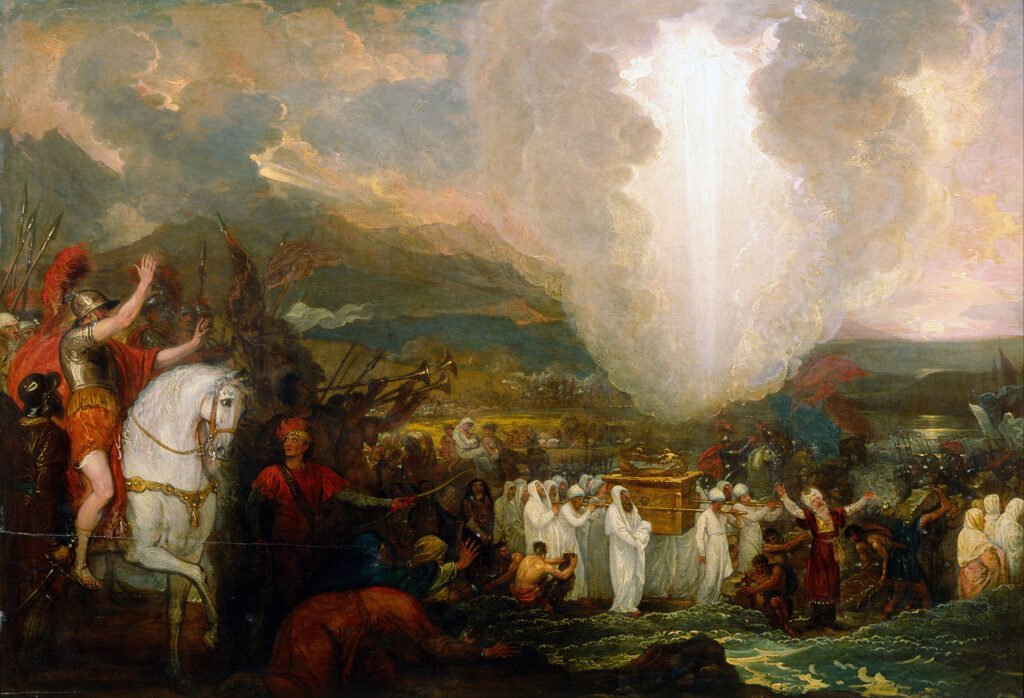
Overview A religious covenant is a solemn, binding agreement understood to exist between the divine and a person or community, typically establishing mutual obligations and promises that extend across generations. Covenant represents a central organizing concept within Judaism and has significantly influenced Christian theology as well, shaping how these traditions understand the relationship between God
Religious Covenant Read More »
A solemn, binding agreement between the divine and a person or community, establishing mutual obligations and promises.
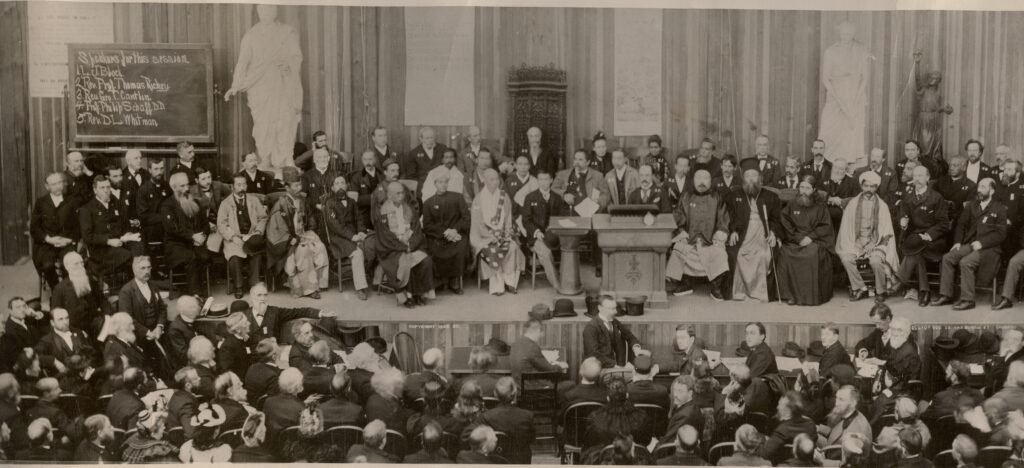
Overview Religious exclusivism is the theological position holding that only one particular religious tradition provides true or complete access to ultimate reality, salvation, or liberation, with other traditions regarded as lacking this access in some significant respect. It stands as one of three commonly distinguished positions regarding the relationship between a tradition and others, alongside
Religious Exclusivism Read More »
Religious exclusivism is the position that only one religious tradition holds true or complete access to ultimate truth and salvation.
Overview Religious persecution refers to the systematic mistreatment of individuals or communities specifically because of their religious beliefs or practices, carried out variously by state authorities, dominant religious institutions, or broader social majorities, and documented across virtually every period of recorded human history and every major world region. Historical Examples History offers numerous documented examples
Religious Persecution Read More »
Religious persecution refers to the systematic mistreatment of individuals or groups on the basis of their religious beliefs or practices, carried out by governments, dominant religious institutions, or social majorities.
Overview Religious pluralism refers both to the social fact that multiple religious traditions exist within a shared society and, in a stronger philosophical sense, to the position that several traditions can offer genuinely legitimate paths toward truth, salvation, or ultimate meaning. This second, normative sense distinguishes pluralism from the merely descriptive observation that religious diversity
Religious Pluralism Read More »
Religious pluralism is the view or social condition in which multiple religious traditions coexist and are recognized as holding legitimate claims to truth or value.
The Renaissance was a period of renewed interest in classical Greek and Roman learning, art, and culture that began in Italy in the fourteenth century and spread across Europe over the following three centuries, profoundly reshaping painting, sculpture, architecture, science, and intellectual life. The word itself means “rebirth” in French, reflecting how later historians framed
Renaissance Read More »
A rebirth of classical learning and art beginning in 14th-century Florence, producing Leonardo, Michelangelo and Raphael.
The architectural style that revived classical Greek and Roman principles in fifteenth-century Italy, emphasizing symmetry, proportion, and geometric clarity.
Renewable energy is energy generated from sources that replenish naturally on a human timescale, chiefly sunlight, wind, flowing water, geothermal heat, and biomass, rather than from finite underground deposits of coal, oil, or natural gas. Because these sources are continuously renewed rather than depleted by use, renewable energy is central to efforts to reduce the
Renewable energy Read More »
Renewable energy comes from naturally replenishing sources such as sunlight, wind, and flowing water, rather than finite fossil fuel deposits.
In simple terms A finding replicates when a different team asks the same question, gathers its own data, and reaches a consistent answer. The replication crisis is the concern that this happens less often than scientists assumed. It is an argument about how much confidence a single published result deserves. It is not a claim
Replication crisis Read More »
The replication crisis is the finding that many published scientific results do not hold up when other researchers repeat the study with new data.