Situational leadership is a theory holding that no single leadership style works best in every circumstance. Instead, effective leaders adapt their approach based on the specific task at hand and the readiness of the person or team being led, shifting between more directive and more hands-off styles as needed. Origins with Hersey and Blanchard The
Situational Leadership Read More »
A leadership theory holding that the most effective leadership style depends on the task at hand and the follower's readiness, rather than any single fixed approach.
Six Sigma is a data-driven methodology for reducing defects and variation in business processes, with the ultimate aim of achieving near-perfect quality. The name refers to a statistical measure of process performance, where a process operating at six sigma produces extremely few defects relative to its total output. Origins at Motorola Engineer Bill Smith introduced
Six Sigma Read More »
A data-driven methodology for reducing defects and variation in business processes, aiming for near-perfect quality.
Overview Skill acquisition describes the process through which athletes learn new motor skills and progressively refine them through practice, instruction, and feedback. A widely used model developed by Fitts and Posner describes this process across three stages: an initial cognitive stage in which the learner must consciously think through each component of a movement, an
Skill Acquisition Read More »
The process by which athletes learn and refine motor skills through practice, instruction, and feedback, progressing from conscious, effortful movement to automatic, efficient execution.
A skyscraper is a very tall, multistory building whose height is made possible by a rigid internal skeleton, usually of steel or reinforced concrete, that bears the structure’s weight, rather than relying on thick, load-bearing masonry walls as earlier tall buildings did. This structural shift, combined with the practical safety elevator, allowed buildings to rise
Skyscraper Read More »
A very tall multistory building supported by a steel or reinforced concrete skeleton frame rather than load-bearing walls.
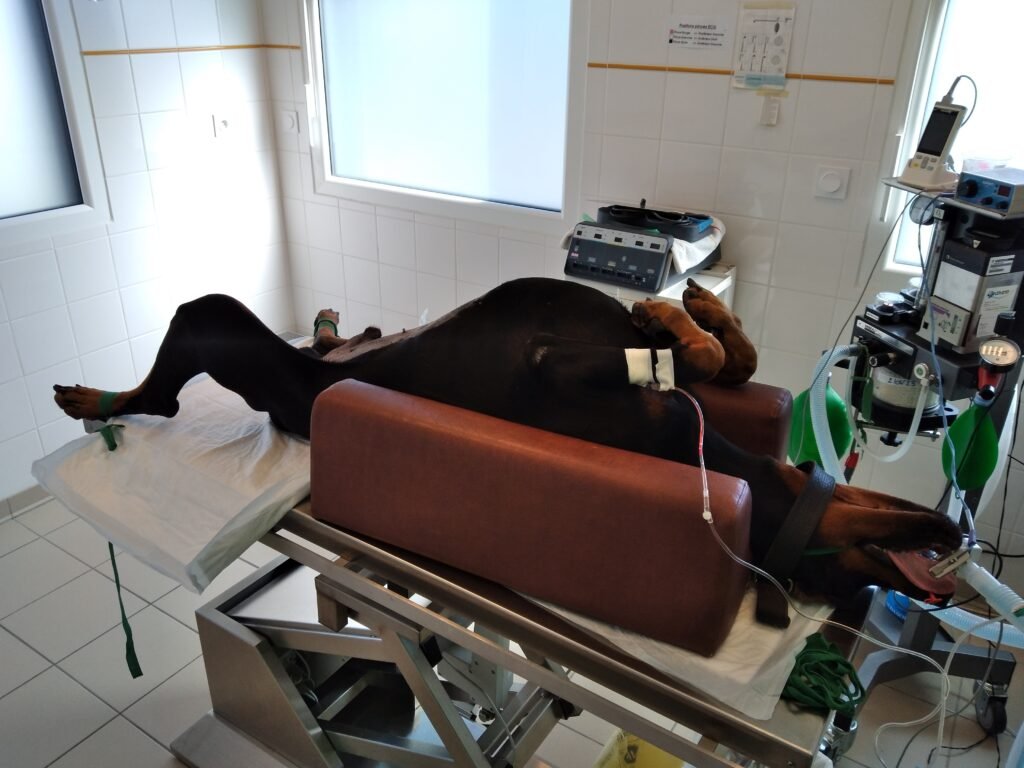
From Routine to Specialized Procedures The large majority of small animal surgeries performed in general veterinary practice are routine procedures such as spay and neuter operations, mass removals, and dental extractions, which most general practitioner veterinarians are trained to perform safely without requiring referral to a specialist. More complex procedures, including advanced orthopedic repairs, oncologic
Small Animal Surgery Read More »
Small animal surgery is the surgical treatment of companion animals, primarily dogs and cats, covering procedures from routine spay and neuter to complex orthopedic and soft tissue operations.
A smart city is an urban area that uses networked digital technology, sensors, and data analysis to monitor and manage its infrastructure, services, and resources more efficiently, with the stated goal of improving quality of life, reducing waste, and making municipal operations more responsive. The term covers an unusually broad range of applications, from traffic
Smart City Read More »
An urban area that uses networked digital technology and data analysis to manage infrastructure and services more efficiently.
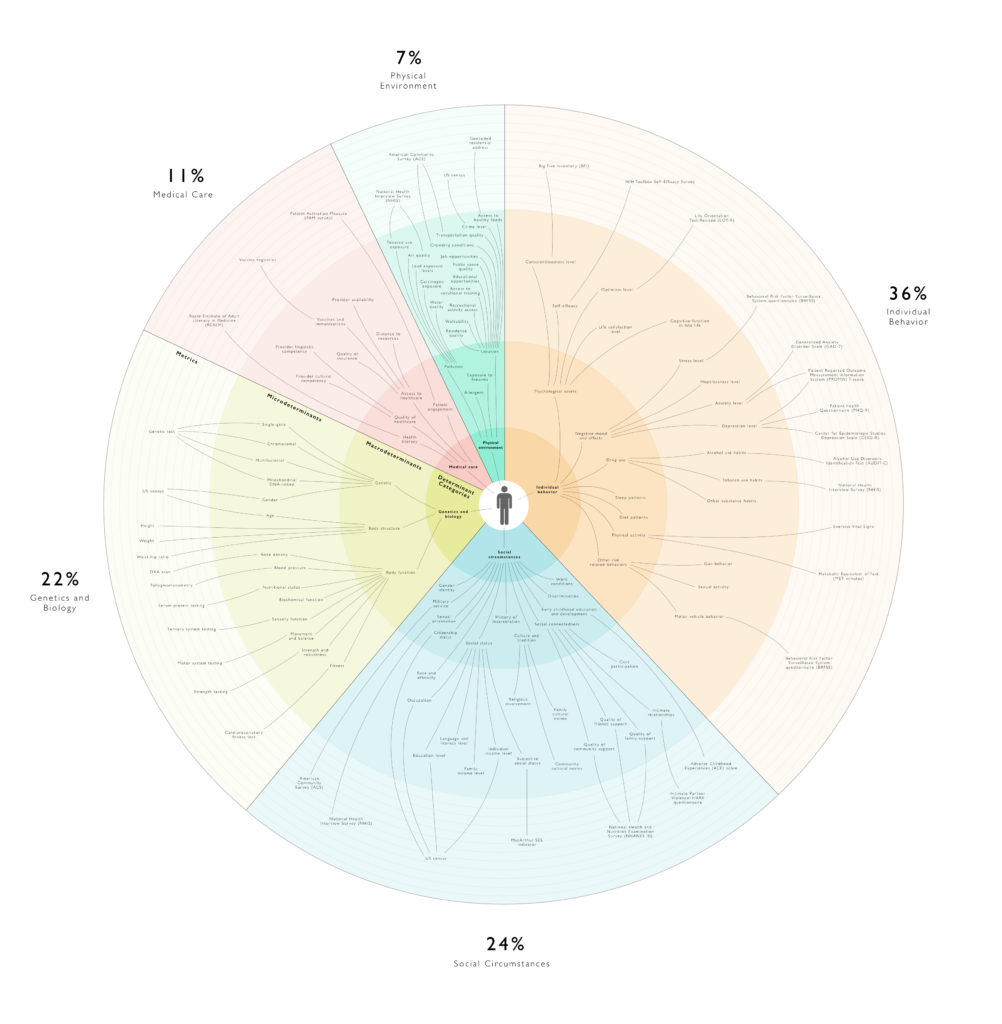
Social determinants of health are the non-medical conditions in which people are born, grow, live, work, and age that significantly shape health outcomes, often having as much or more influence on a population’s overall health than clinical medical care provided by hospitals and clinics. These factors include economic stability, education, the physical neighborhood and built
Social determinants of health Read More »
The non-medical conditions in which people live that significantly shape health outcomes, often more than clinical care itself.
Overview Social insurance is a form of government-administered protection against specific economic risks, including unemployment, disability, old age, and illness. Unlike means-tested welfare programs, social insurance is typically funded through mandatory contributions, often collected as payroll taxes, and benefits are generally tied to prior earnings or contribution history rather than current financial need. This earned
Social Insurance Read More »
A government-administered program that provides income protection against risks such as unemployment, disability, old age, and illness, typically funded through mandatory contributions.
Social media news distribution refers to the practice of sharing and discovering news content through platforms originally designed for personal and social communication, which have become major channels through which many people encounter news today. This distribution method has significantly altered how news organizations approach headline writing, visual content, and publishing timing to maximize visibility
Social Media News Distribution Read More »
The practice of sharing and discovering news content through social media platforms.