In simple terms The Federal Open Market Committee, or FOMC, is the monetary policymaking body of the Federal Reserve System. It sets the target for the federal funds rate, the rate US banks charge each other overnight. That single decision ripples outward. It shapes what savers earn and what borrowers pay, in the United States
Federal Open Market Committee Read More »
The Federal Open Market Committee is the group inside the US Federal Reserve that sets the country's key interest rate.
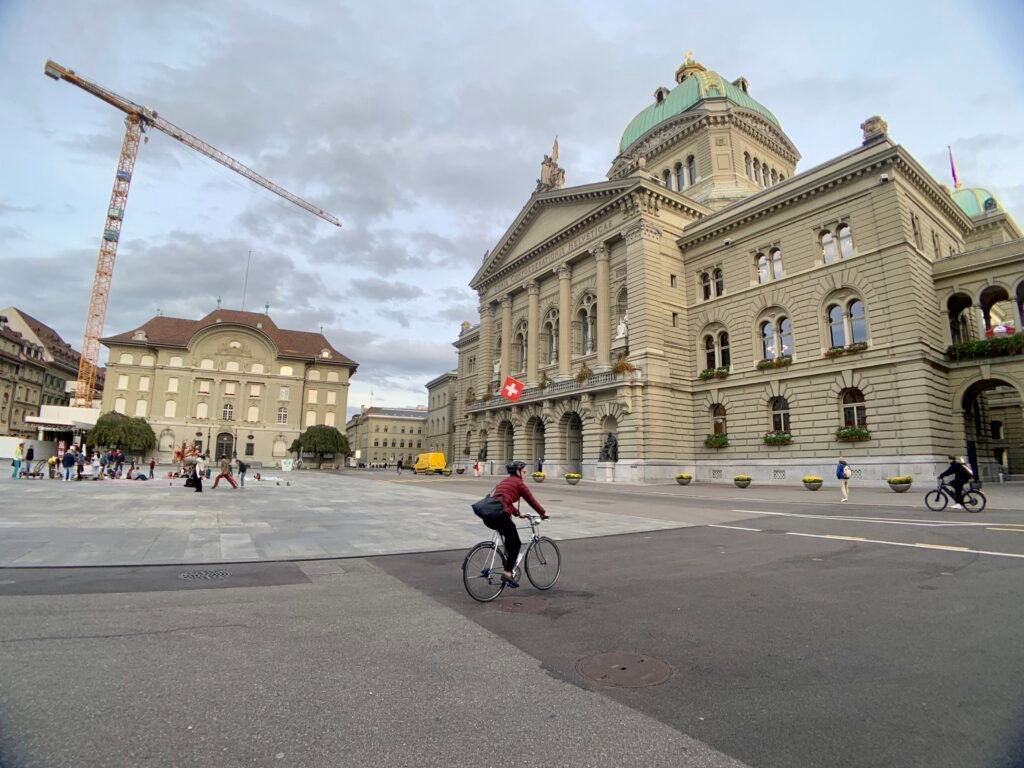
Federalism is a system of government that combines a central, national government with a set of regional sub-unit governments, such as states, provinces, or cantons, each holding genuine governing authority within its own sphere. Unlike a unitary state, where the central government holds ultimate authority and can in principle override or abolish regional governments, a
Federalism Read More »
A system of government combining a central national government with regional sub-unit governments, each holding constitutionally protected authority.
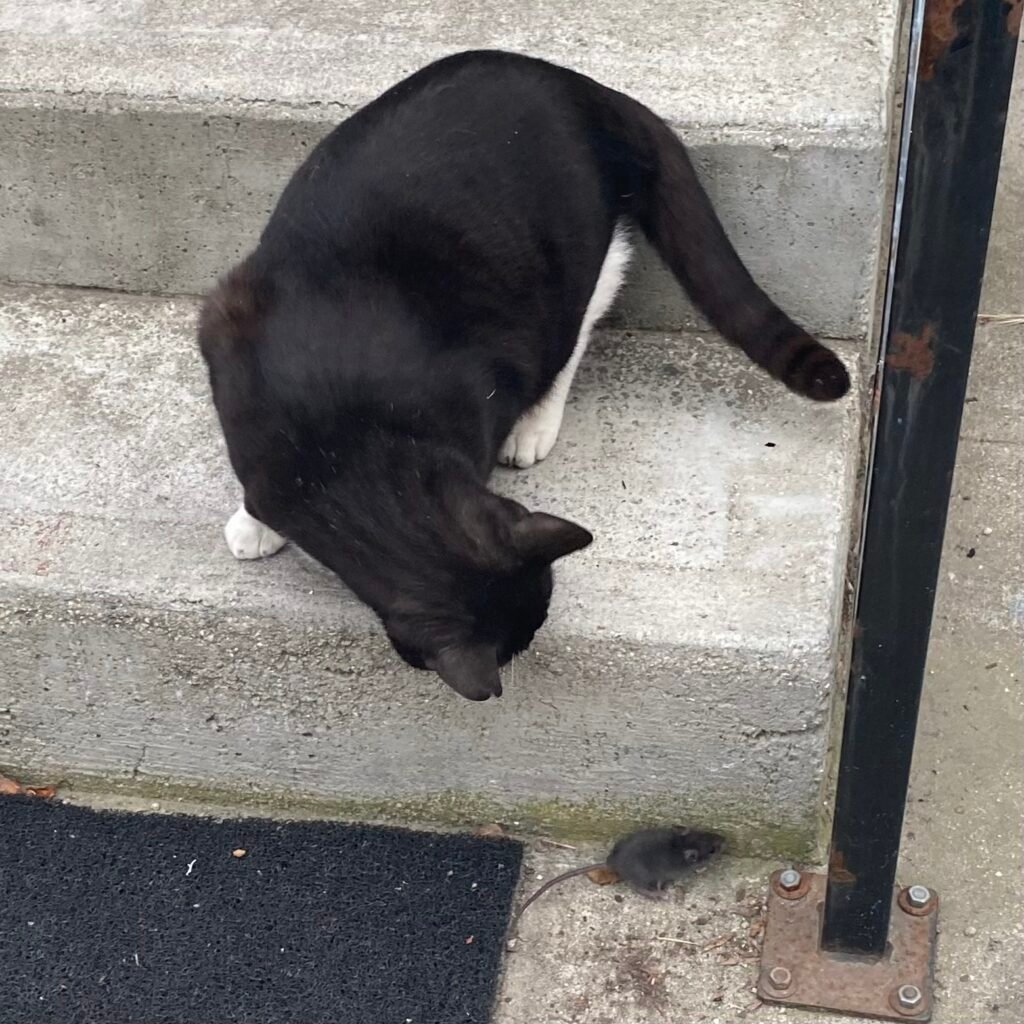
Evolutionary and Social Origins Domestic cats descend from the African wildcat, a species that hunts and lives largely alone, a trait that distinguishes feline social structure from the more cooperative pack behavior of domesticated dogs. This ancestry shapes much of modern cat behavior, including a preference for controlling access to resources rather than sharing them,
Feline Behavior Read More »
The study of domestic cat behavior patterns, including communication, territoriality, social structure, and the instinctive drives inherited from solitary wild ancestors.
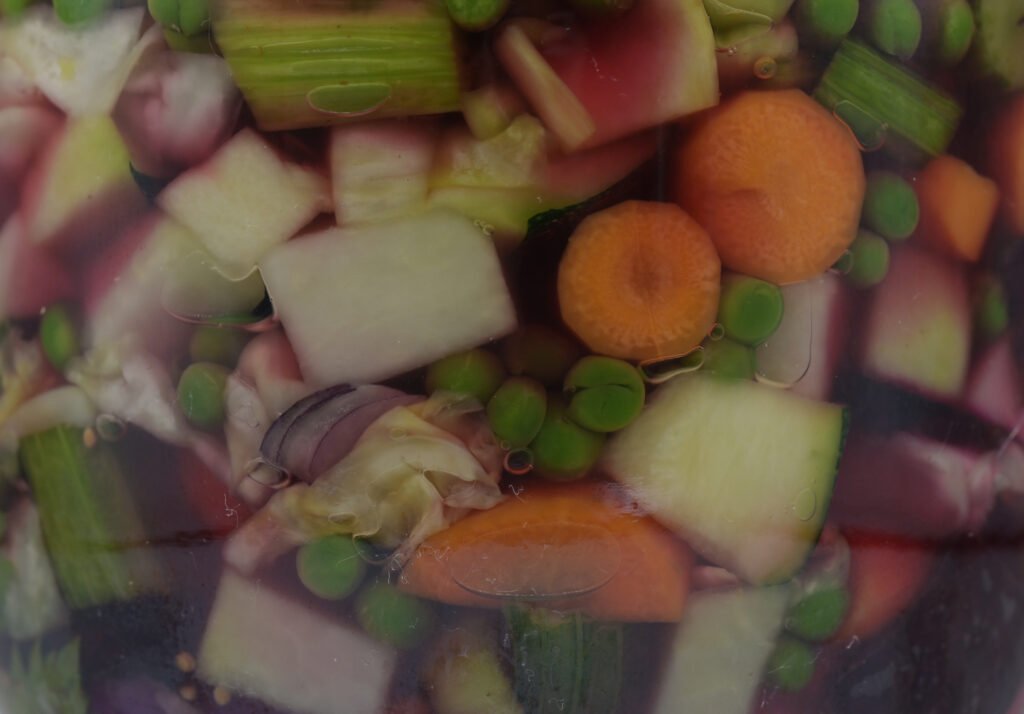
Fermentation is a metabolic process in which microorganisms such as bacteria, yeast, or mold convert sugars and other organic compounds into substances like acids, alcohol, or gases, typically in the absence of oxygen, producing both a preservation effect and distinctive flavors, textures, and aromas that have made fermented foods a staple across nearly every culinary
Fermentation Read More »
A metabolic process in which microorganisms convert sugars into acids, alcohol, or gases, preserving and transforming food.
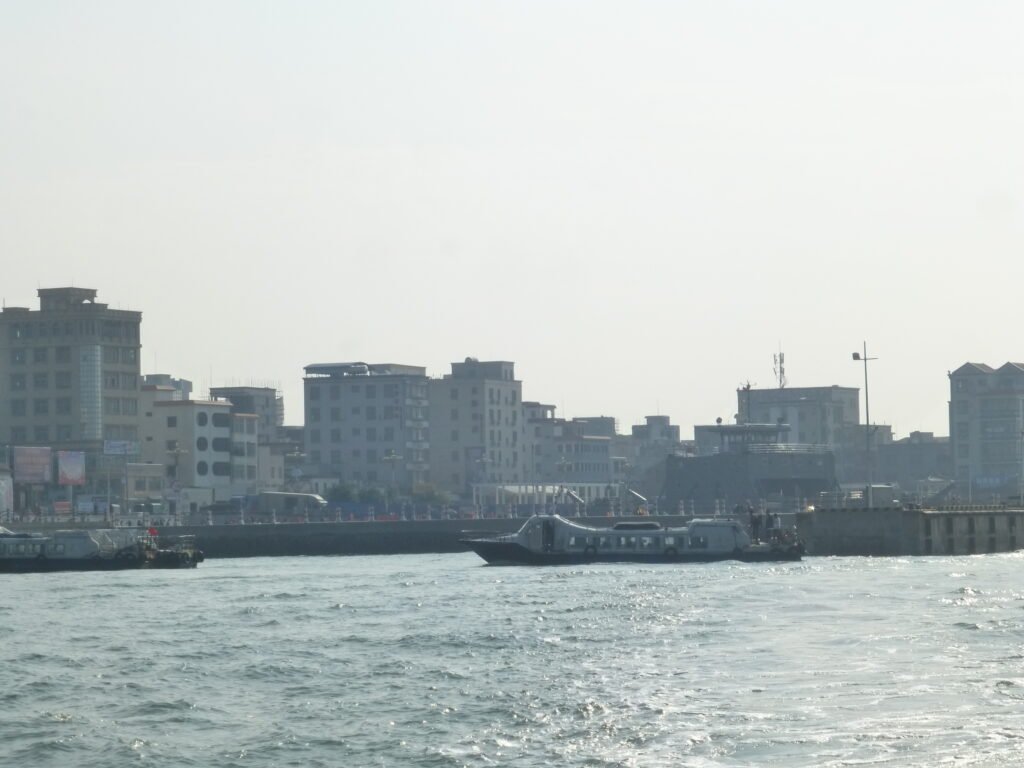
What Ferry Service Covers Ferry service provides scheduled water transportation carrying passengers, vehicles, or both across rivers, bays, straits, or between islands and the mainland. Ferries often serve routes where building a bridge or tunnel would be prohibitively expensive or geographically impractical, making water crossing the most practical transportation option available. Types of Ferry Vessels
Ferry Service Read More »
Ferry service is scheduled water transportation that carries passengers, vehicles, or both across a body of water, often connecting points that lack a bridge or tunnel.
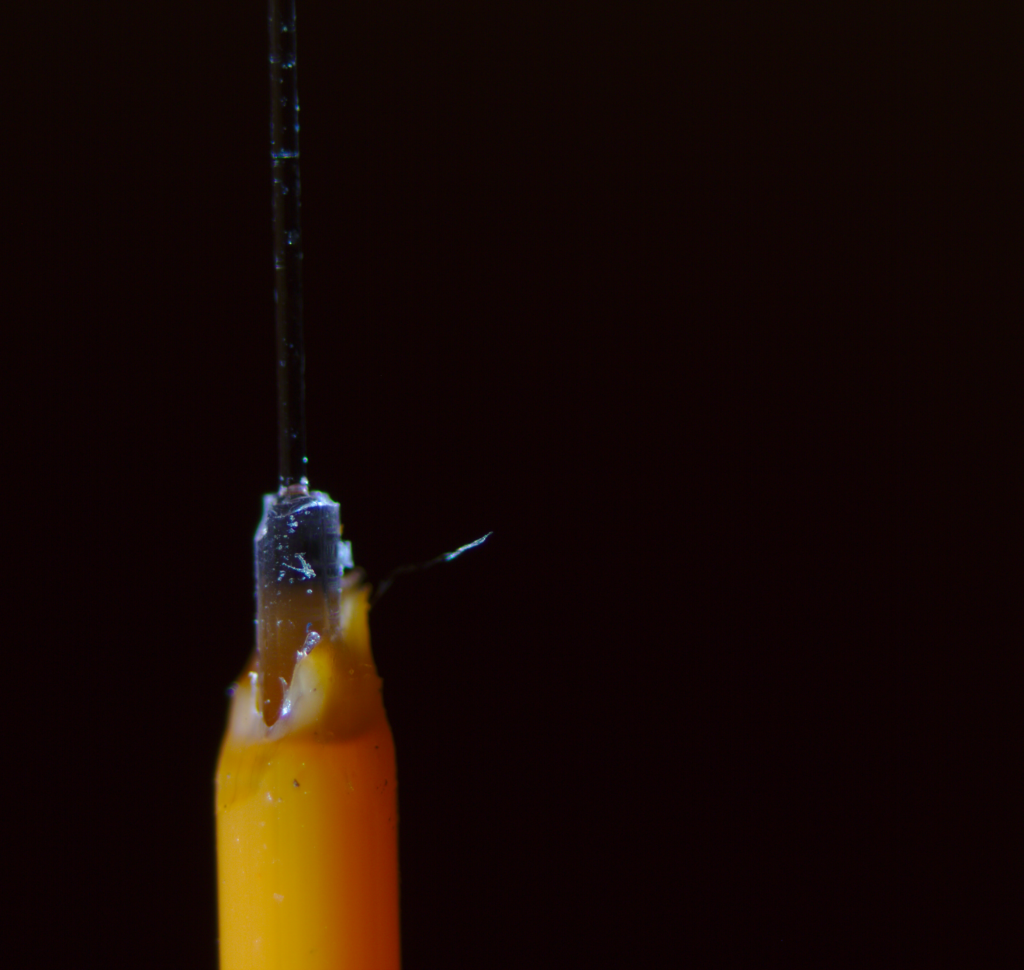
Fiber-optic communication transmits information as pulses of light through thin strands of extremely pure glass or plastic, called optical fibers, rather than as electrical signals through copper wire. Because light can carry far more information than an electrical signal and loses much less strength over long distances, fiber-optic cables form the backbone of the modern
Fiber-Optic Communication Read More »
The transmission of information as pulses of light through thin glass or plastic fibers, forming the backbone of modern internet infrastructure.
Guiding Researchers Through a Collection A finding aid is a descriptive document that archivists create to help researchers understand and navigate an archival collection, going well beyond a simple inventory to provide context about who created the records and why. Without a finding aid, a researcher facing dozens or hundreds of boxes would have little
Finding Aid Read More »
A descriptive document that provides detailed information about the contents, context, and organization of an archival collection, helping researchers locate material.
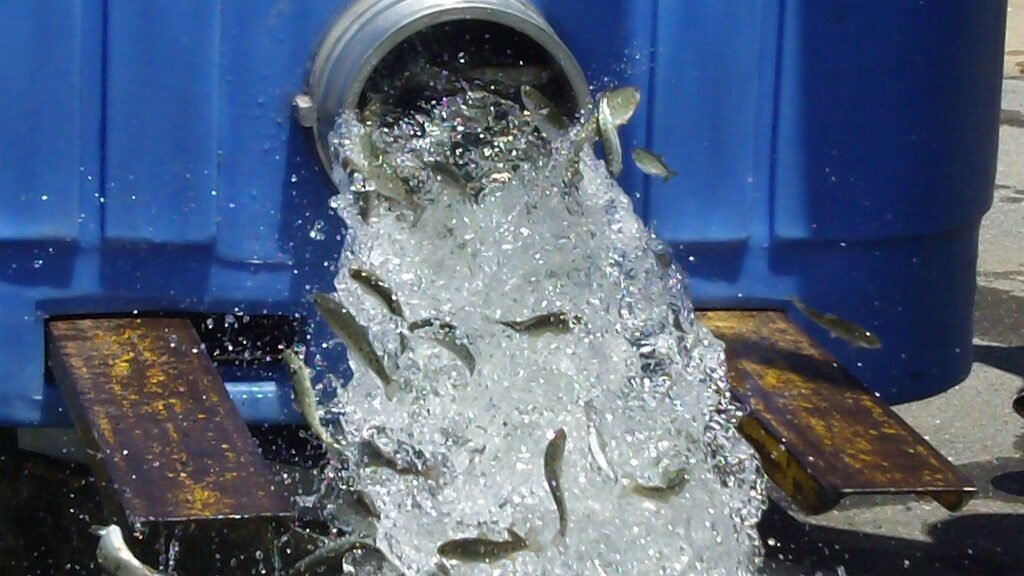
Finfish culture is the branch of aquaculture focused specifically on raising fish with internal skeletons, such as salmon, tilapia, catfish, and sea bass, as distinguished from the farming of shellfish or crustaceans. It encompasses the full range of species, systems, and techniques used to raise true fish from egg or fry to market size. Major
Finfish Culture Read More »
The branch of aquaculture focused on raising fish with internal skeletons, as distinct from shellfish farming.