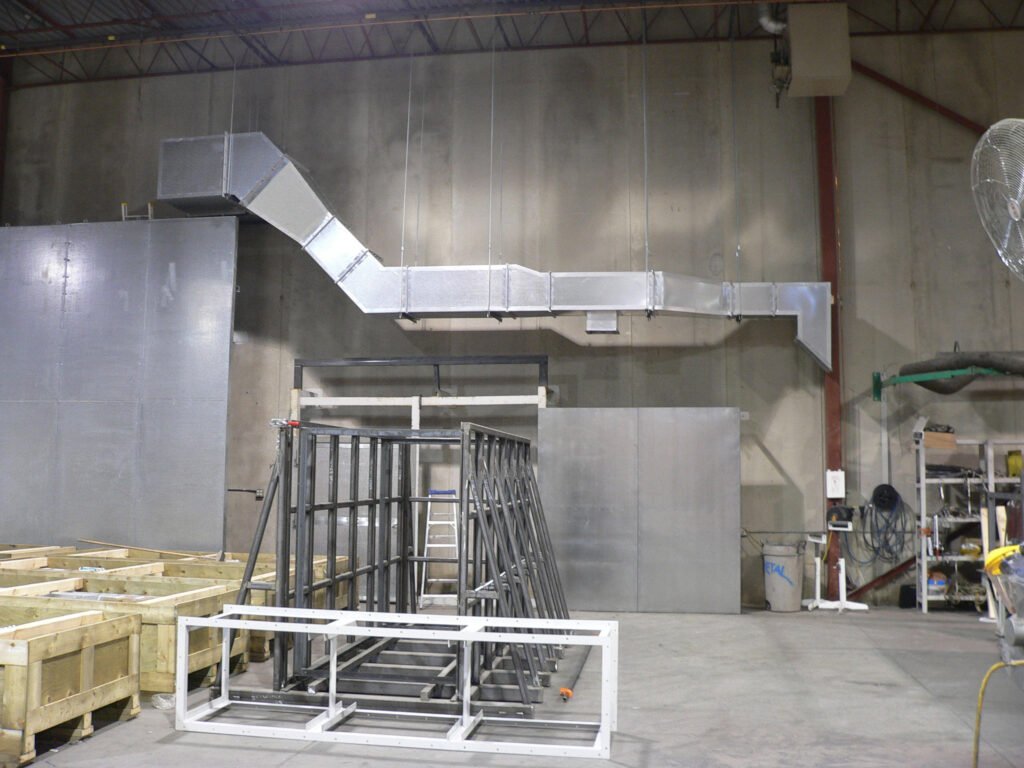
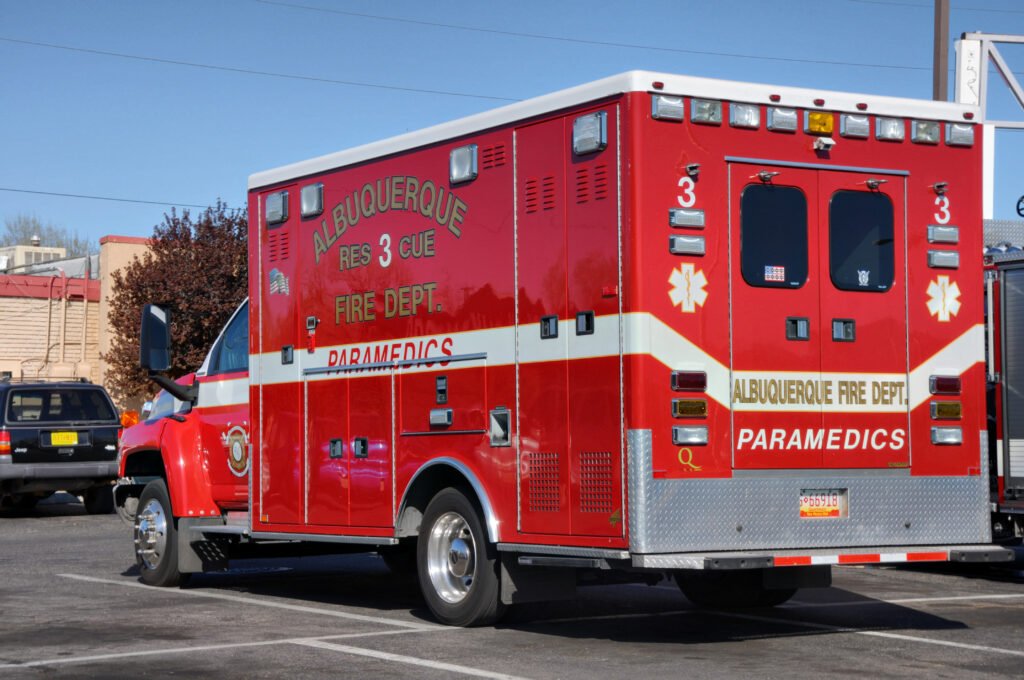
A fire protection system is the combination of detection, alarm, suppression, and passive design features built into a structure to detect a fire early, alert occupants, limit its spread, and in many cases extinguish it automatically before firefighters arrive. Fire protection engineering treats these elements as a layered, redundant system rather than relying on any
Fire Protection System Read More »
The combination of detection, alarm, suppression, and passive design features built into a structure to limit fire damage and protect occupants.
A firewall is a network security system that monitors incoming and outgoing network traffic and decides whether to allow or block it based on a defined set of security rules. Positioned at the boundary between a trusted network, such as a home or office network, and an untrusted one, such as the broader internet, a
Firewall Read More »
A network security system that monitors and filters incoming and outgoing traffic based on defined security rules.
In simple terms A first language is the language a person acquires in childhood as a member of a speech community. It is also called a mother tongue or native language, and linguists write it as L1, with languages learned later as L2. The label describes how a language was learned, not how well someone
First language Read More »
A first language is the language a person acquires in childhood as a member of a speech community.
In simple terms Fiscal policy is what a government does with its budget: how much it spends, how much it taxes, and how much it borrows to cover the difference. The IMF puts the purpose plainly. Governments use those powers to promote strong and sustainable growth and to reduce poverty. How it works There are
Fiscal policy Read More »
Fiscal policy is a government's use of spending and taxation to steer the economy, as distinct from a central bank's interest rate decisions.
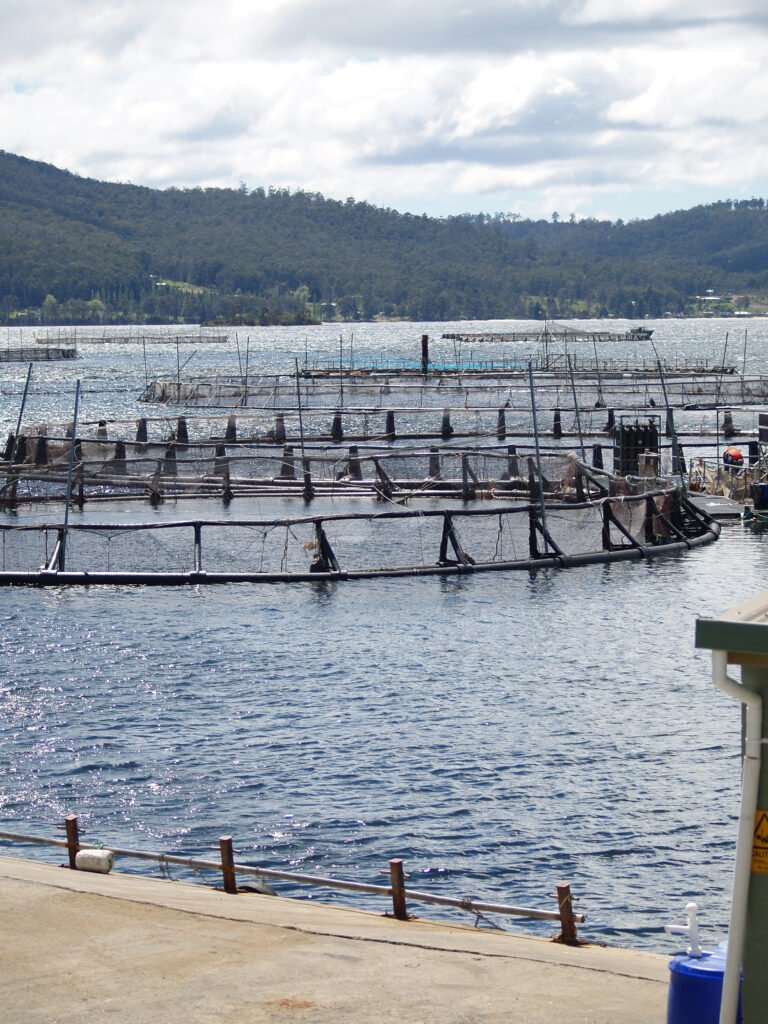
Fish farming, also called aquaculture when applied to finfish, is the practice of raising fish in controlled environments such as ponds, tanks, cages, or enclosed sections of lakes and coastal waters, rather than catching them from wild populations. It now supplies more than half of all fish consumed by people worldwide, a dramatic shift from
Fish Farming Read More »
The practice of raising fish in controlled environments like ponds, tanks, or cages rather than catching them wild.