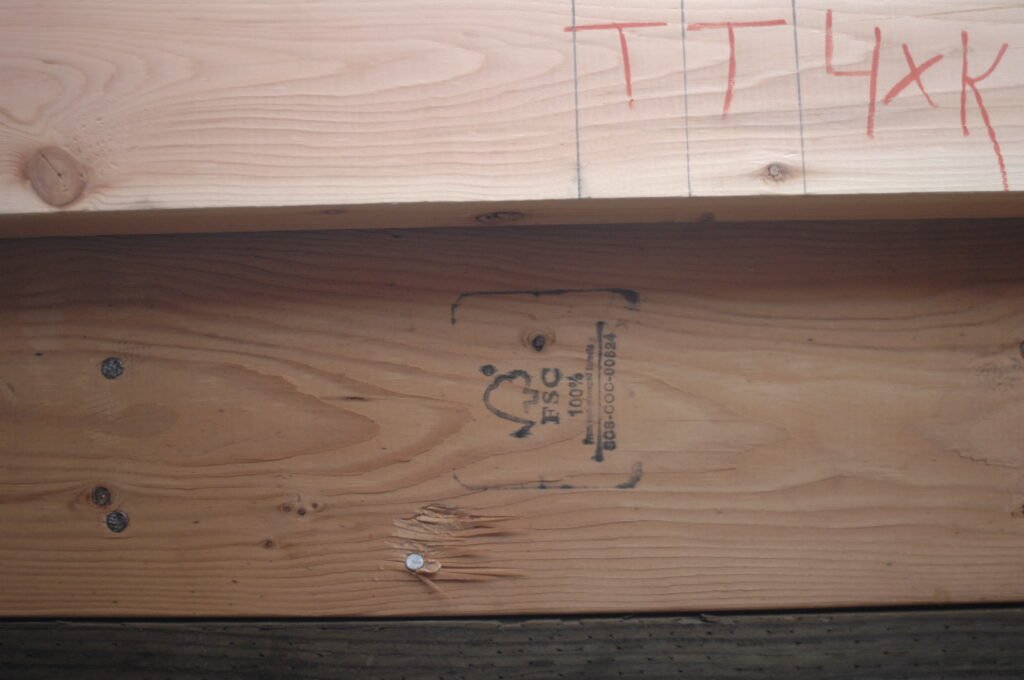
Forest certification is a voluntary process in which an independent third party verifies that a forest is managed according to defined environmental, social, and economic standards, allowing certified wood and paper products to carry a recognized label. Major Certification Systems The Forest Stewardship Council and the Programme for the Endorsement of Forest Certification are the
Forest Certification Read More »
A voluntary third-party verification process confirming that a forest is managed to defined environmental and social standards, enabling certified product labeling.
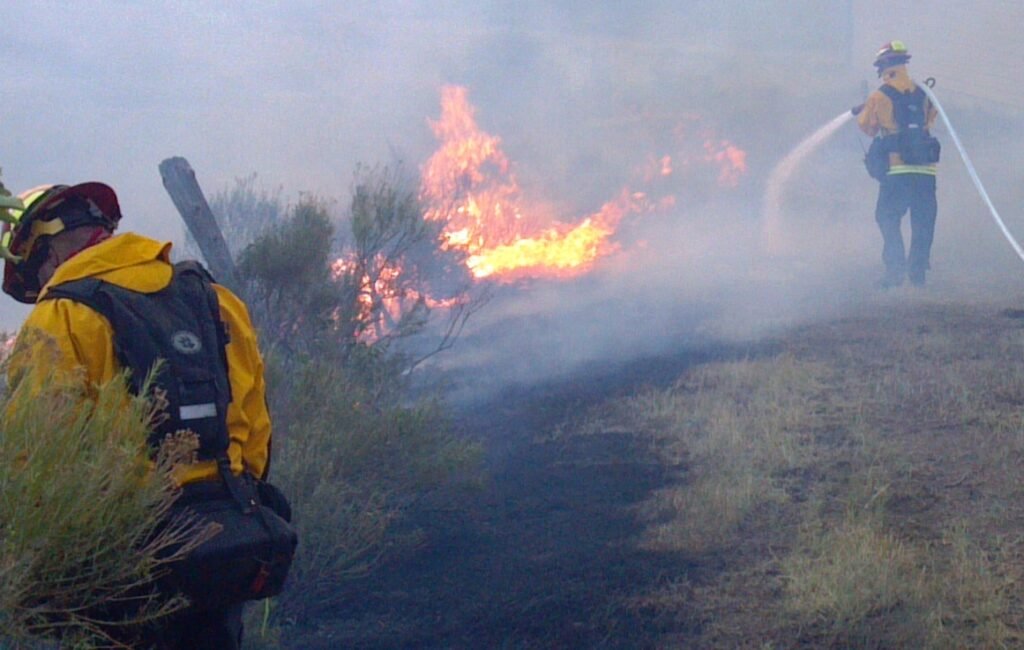
Forest fire management is the coordinated set of practices used to prevent, detect, and suppress unwanted wildfires while using controlled fire deliberately where it benefits forest health. Prevention and Fuel Reduction Fire managers reduce wildfire risk by thinning overcrowded stands, removing dead and downed material, and conducting prescribed burns that lower the volume of flammable
Forest Fire Management Read More »
The coordinated practice of preventing, detecting, and suppressing unwanted wildfires while using controlled fire deliberately to maintain forest health.
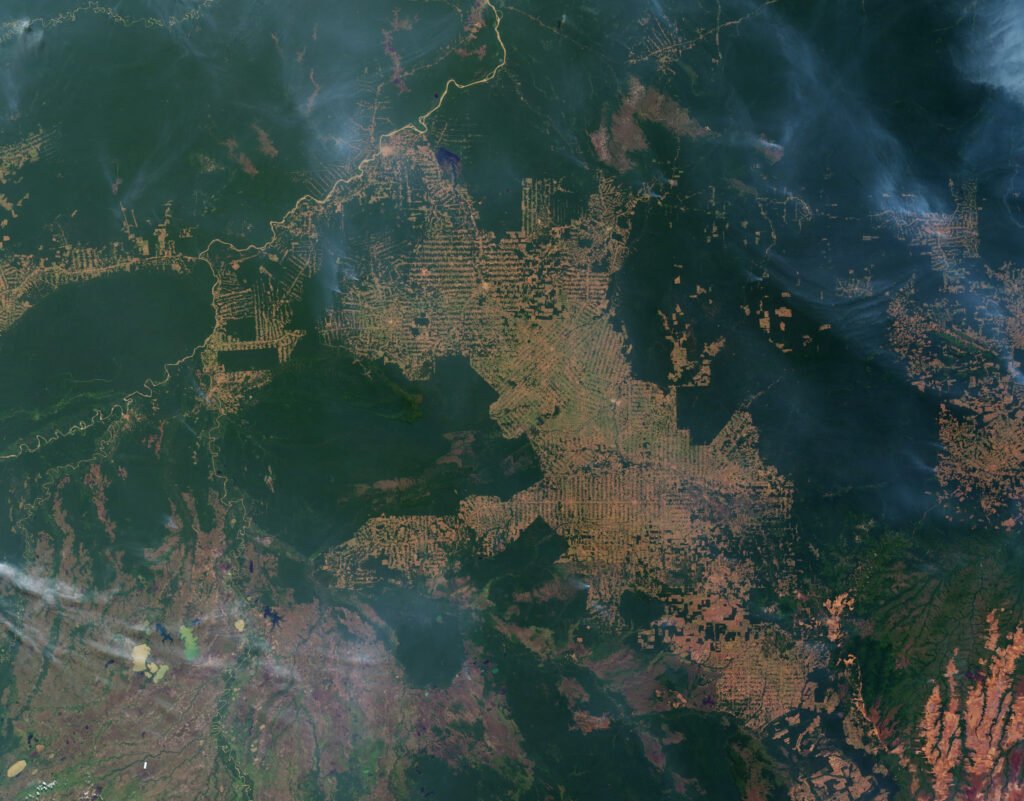
Forest fragmentation is the breaking up of large, continuous forest areas into smaller, isolated patches, typically caused by roads, agriculture, urban development, or logging, with significant consequences for the species and ecological processes that depend on intact forest. Causes of Fragmentation Agricultural expansion, road construction, and urban and suburban development are the leading drivers of
Forest Fragmentation Read More »
The breaking up of large continuous forest into smaller, isolated patches, typically from roads, agriculture, or development, with major ecological consequences.
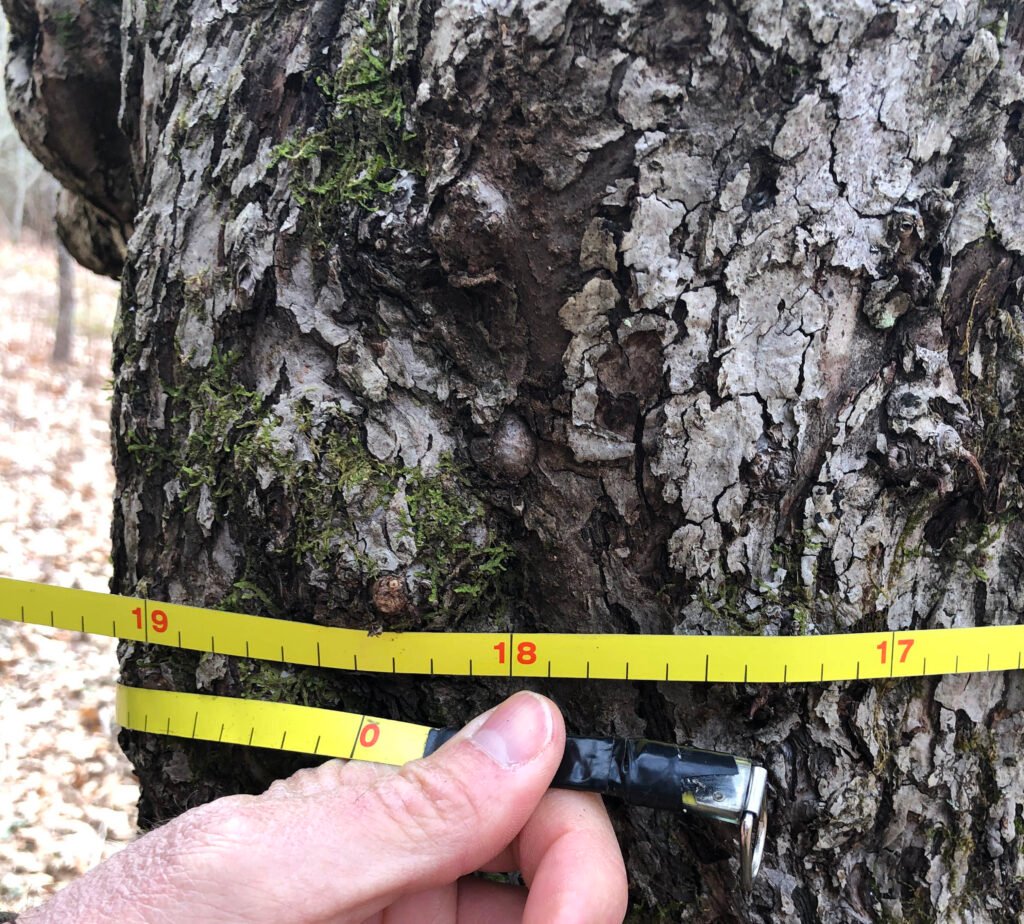
A forest inventory is a systematic survey that records the species, size, condition, and distribution of trees across a defined area, providing the data foundation for forest management planning. What Inventories Measure Field crews typically measure tree diameter at breast height, estimate total height, record species, and note health indicators such as disease or insect
Forest Inventory Read More »
A systematic survey recording tree species, size, condition, and distribution across an area, providing the core data for forest management decisions.
Forest succession is the gradual, predictable process by which plant and tree communities change over time following a disturbance, progressing through a series of stages until reaching a relatively stable mature forest community. Primary and Secondary Succession Primary succession occurs on newly exposed surfaces with no pre-existing soil or vegetation, such as land exposed after
Forest Succession Read More »
The gradual, predictable process by which forest plant communities change over time following a disturbance, moving through stages toward a mature community.
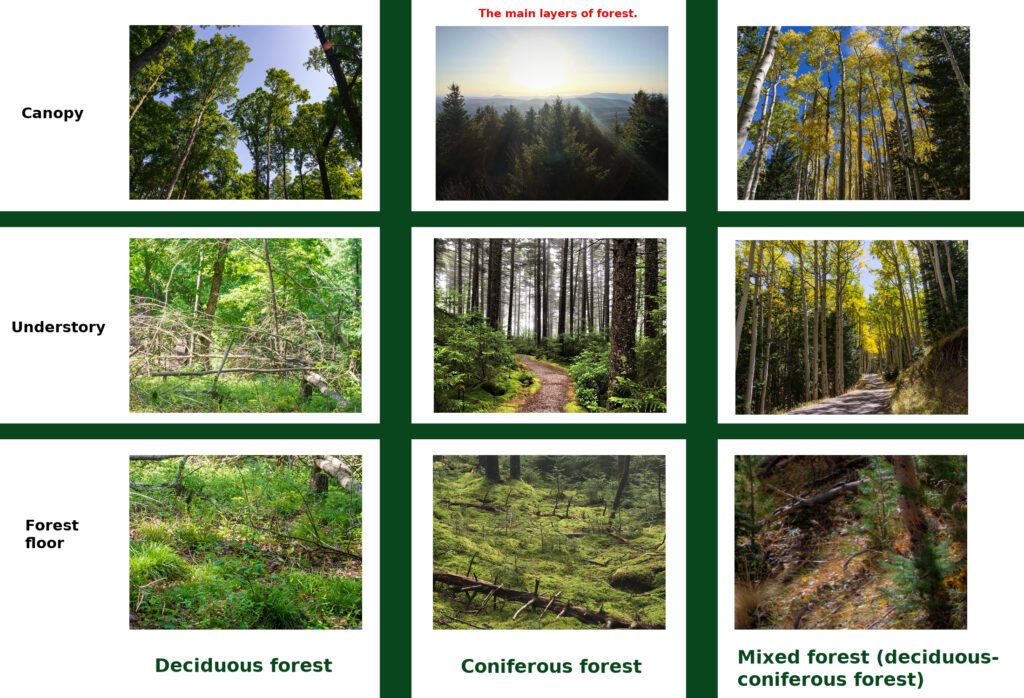
The forest understory is the layer of vegetation growing beneath the main canopy, encompassing shrubs, saplings, ferns, and herbaceous plants that have adapted to the reduced light conditions found beneath taller trees. Light-Adapted Plant Strategies Understory plants have evolved various strategies to survive in low light, including broad, thin leaves optimized for capturing limited available
Forest Understory Read More »
The layer of vegetation growing beneath the forest canopy, including shrubs, saplings, and herbaceous plants adapted to reduced light conditions.
In simple terms Formative assessment is checking what students have understood while the teaching is still going on, so the answer can change what happens next. A question to the class, a show of hands, a draft returned with comments: the format matters far less than the timing. The defining test is use. Evidence counts
Formative assessment Read More »
Formative assessment is checking learning while teaching is still under way, so that the evidence gathered changes what happens next.
Formwork is the temporary mold, typically built from wood, steel, or engineered panel systems, that holds freshly placed concrete in its intended shape until the concrete cures and gains enough strength to support itself. Because concrete is placed as a wet, flowable material, formwork is essential to nearly all cast-in-place concrete construction, shaping everything from
Formwork Read More »
The temporary mold that holds freshly placed concrete in shape until it cures and gains self-supporting strength.
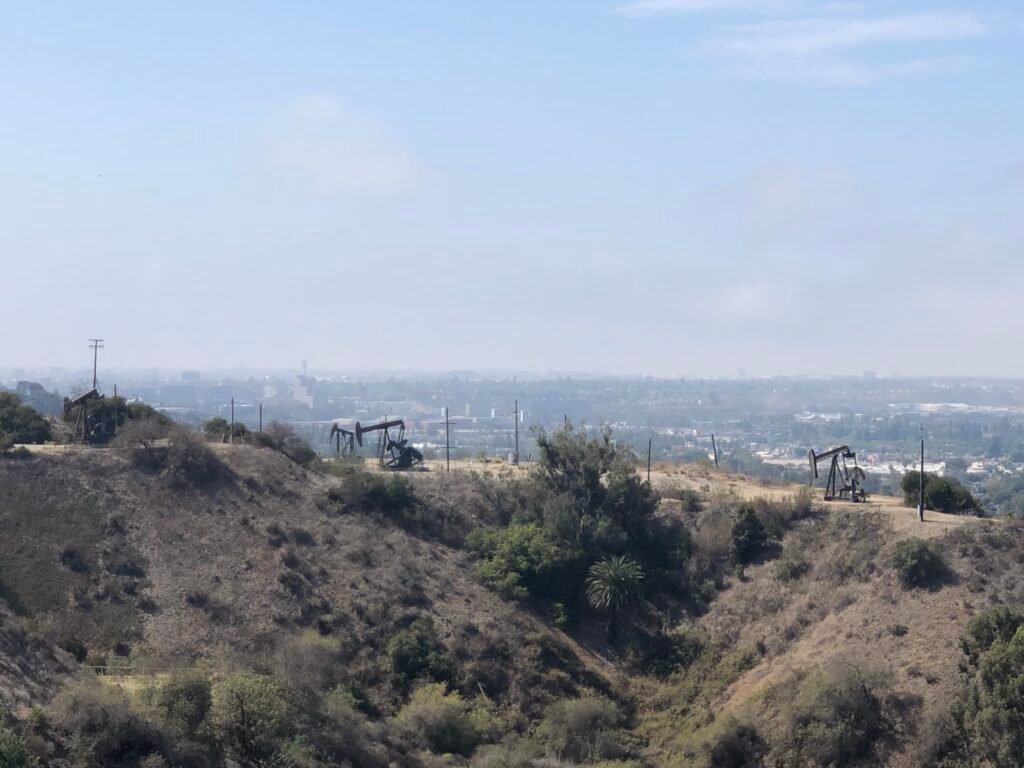
A fossil fuel is a hydrocarbon-rich fuel, chiefly coal, oil, and natural gas, formed from the remains of ancient plants and marine organisms buried and transformed by heat and pressure over millions of years. Burning a fossil fuel releases the chemical energy stored in that ancient organic matter, which is why fossil fuels have powered
Fossil fuel Read More »
A fossil fuel is a hydrocarbon fuel such as coal, oil, or natural gas, formed from ancient organic matter and burned to release stored chemical energy.
Foster care is a system of temporary substitute care for children removed from their own homes because a court or agency has determined the home is unsafe. Children in foster care may live with relatives, with unrelated foster families, or in a group or residential setting, depending on their needs and what is available in
Foster Care Read More »
A system of temporary substitute care for children who cannot safely remain in their own home.