Hydration refers to the body’s water balance, maintained through a continuous exchange between fluid intake from drinking and food, and fluid loss through urine, sweat, breathing, and other bodily processes. Water makes up roughly half to three-fifths of total body weight in adults and plays an essential role in nearly every physiological process, including regulating
Hydration Read More »
The body's water balance, maintained through fluid intake and loss, essential to nearly every physiological process.
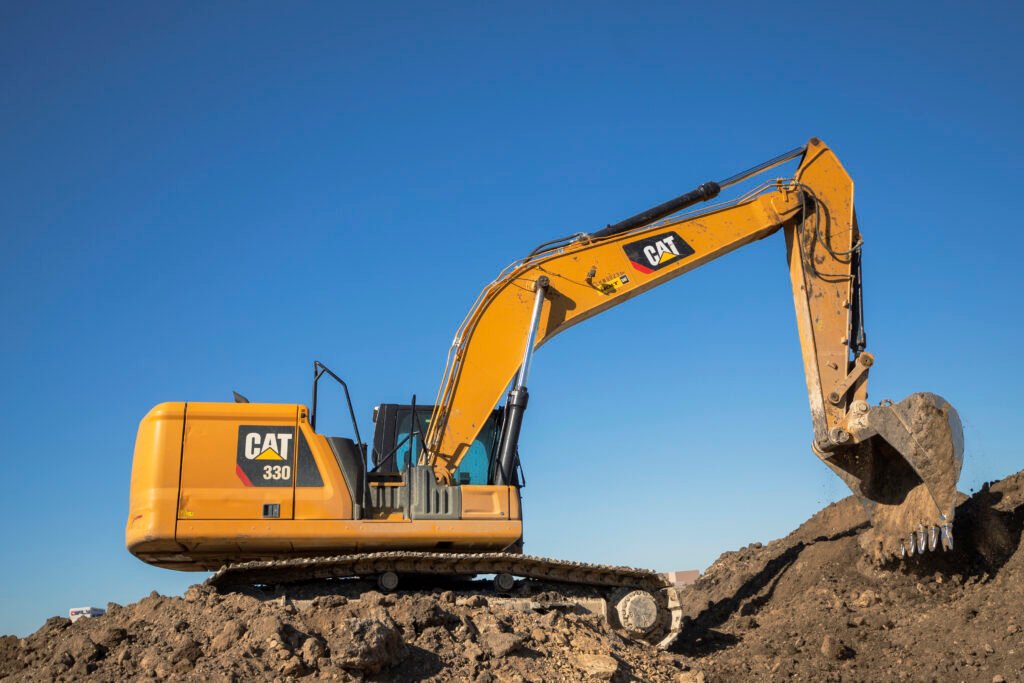
Hydraulics is the branch of mechanical engineering that uses pressurized liquid, almost always a specialized oil, to transmit force and generate motion in machines. Hydraulic systems power equipment ranging from excavators and cranes to aircraft landing gear and the brakes in nearly every car, valued across industries for their ability to generate enormous, precisely controllable
Hydraulics Read More »
The branch of mechanical engineering that uses pressurized liquid to transmit force and generate motion in machines.
In simple terms Hydropower is electricity made from moving water. A river or a reservoir sends water through a turbine, the turbine spins a generator, and the generator produces current. It is the oldest large-scale renewable source of electricity and still the largest. How it works Two things set the output: how much water flows,
Hydropower Read More »
Hydropower is electricity made from moving water, usually by letting it fall through a turbine, and it is the largest renewable electricity source.
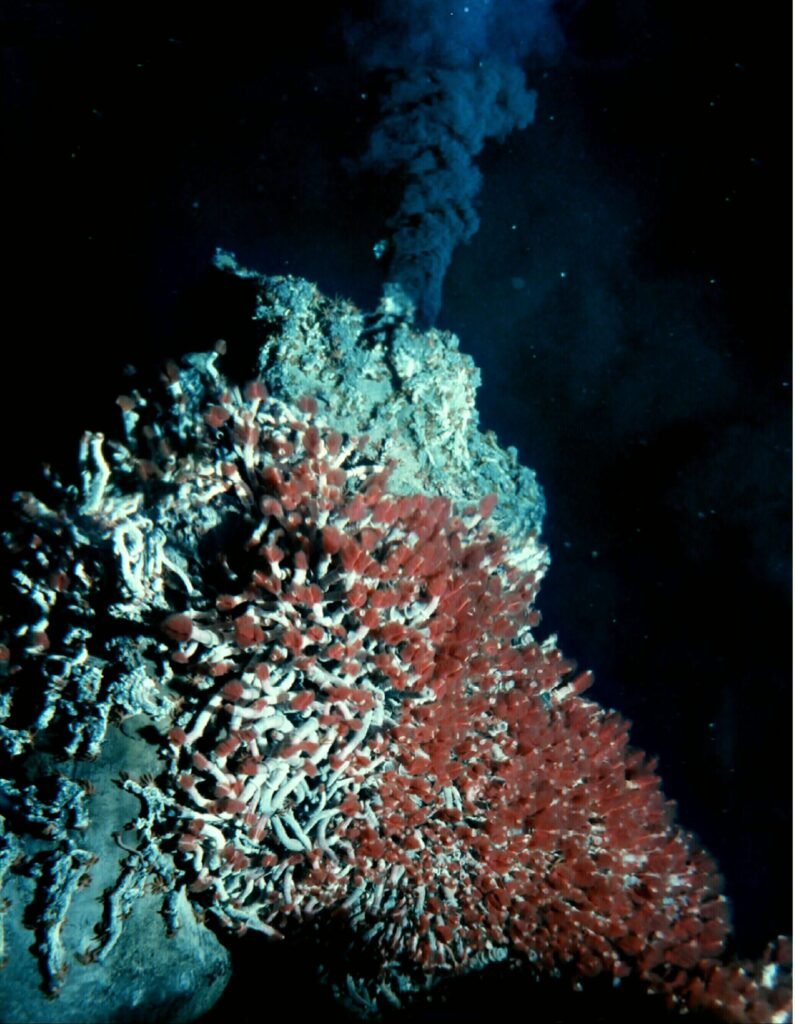
A seafloor fissure that releases geothermally heated, mineral-rich water, supporting unique deep-sea ecosystems that rely on chemosynthesis instead of sunlight.
In simple terms Blood pressure is the force of blood pushing against the walls of your blood vessels. Hypertension means that force stays too high over time. Most people with hypertension feel nothing at all. That is why a measurement is the only reliable way to find out. How it works A reading has two
Hypertension Read More »
Hypertension is blood pressure that stays too high over time, straining the heart, blood vessels, brain and kidneys.
In simple terms Hypotension is the medical term for low blood pressure. It means blood is moving through the vessels at a lower pressure than usual. The US National Heart, Lung, and Blood Institute puts the line at a reading below 90/60 mmHg, against a normal adult figure usually below 120/80 mmHg. How it works
Hypotension Read More »
Hypotension is the medical term for low blood pressure, generally a reading below 90/60 mmHg, which may or may not cause symptoms.
Immigration policy is the set of laws, regulations, and administrative practices a country uses to decide who may enter its territory, how long they may stay, and under what conditions they can eventually become citizens. It sits at the intersection of national sovereignty, labor markets, humanitarian obligation, and domestic politics, which helps explain why it
Immigration Policy Read More »
The laws and practices a country uses to decide who may enter, stay, and become a citizen.
In simple terms Impressionism is a style of painting that emerged in France in the 1870s, known for capturing fleeting impressions of light and color with visible, often rapid brushstrokes rather than precise, highly detailed realism. [1] How it works Impressionist painters often worked outdoors, painting directly from the scene in front of them rather
Impressionism Read More »
Impressionism is a style of painting that emerged in France in the 1870s, known for capturing fleeting impressions of light and color with visible brushstrokes rather than precise detail.
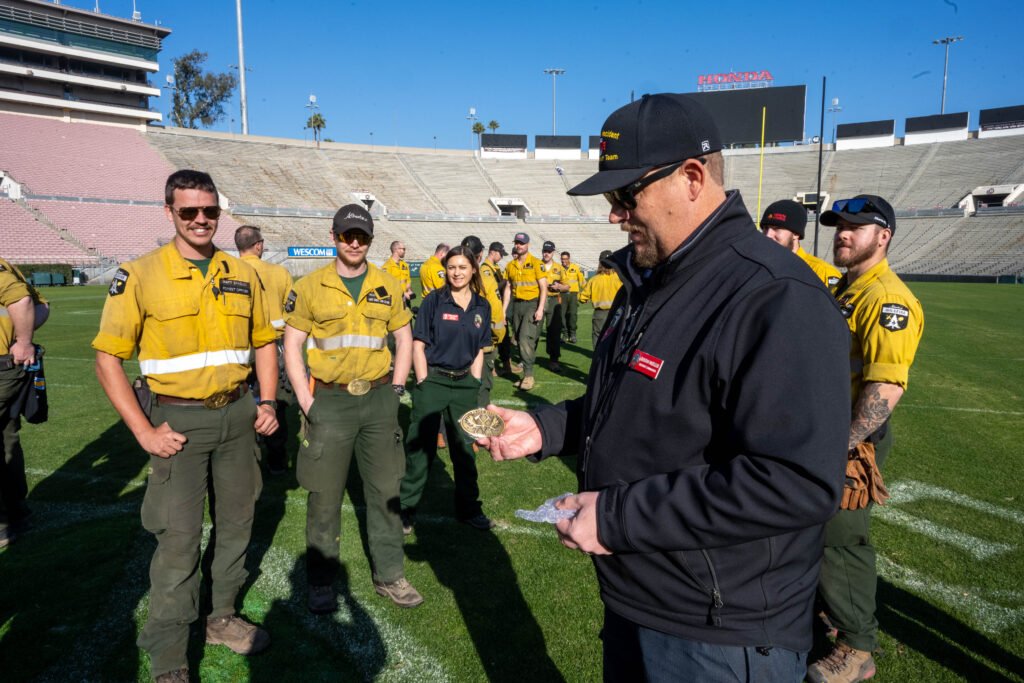
Incident investigation is the systematic process of examining a workplace accident, injury, or near miss to determine its root causes and develop corrective actions that prevent similar events from occurring in the future, rather than simply documenting what happened for administrative purposes. Effective incident investigation deliberately focuses on identifying underlying root causes, such as inadequate
Incident Investigation Read More »
Incident investigation is the systematic process of examining a workplace accident, injury, or near miss to determine its root causes and prevent similar events from occurring in the future.