In simple terms A large language model is a machine learning system trained on enormous amounts of text. Its core job is narrow: given some text, work out what is most likely to come next. Do that over and over and the model writes sentences, answers questions or drafts code. How it works Text is
Large language model Read More »
A large language model is a system trained on huge amounts of text to predict what text comes next, one token at a time.
In simple terms Cholesterol is a waxy fat the body needs but cannot dissolve in blood. It travels wrapped inside particles called lipoproteins. LDL stands for low-density lipoprotein. LDL cholesterol is the portion those particles carry, and it is often called bad cholesterol because it is the main source of cholesterol buildup and blockage in
LDL cholesterol Read More »
LDL cholesterol is the share of blood cholesterol carried by low-density lipoproteins, the main source of the buildup that narrows arteries.
Lean construction is a project management philosophy and set of practices that applies principles originally developed in lean manufacturing, most notably the Toyota Production System, to construction, with the central goal of maximizing value delivered to the owner while systematically reducing waste in the form of unnecessary motion, waiting time, rework, and resources that do
Lean Construction Read More »
A project management philosophy applying lean manufacturing principles to reduce waste and improve flow in construction.
What LTL Shipping Is Less-than-truckload shipping combines freight from multiple shippers into a single trailer, since no individual shipment is large enough to fill the truck on its own. Each shipper pays only for the portion of the trailer their goods occupy, rather than the cost of an entire truck, making LTL more economical for
Less-Than-Truckload Shipping Read More »
Less-than-truckload shipping, commonly abbreviated LTL, is a freight transportation method in which multiple shippers' goods share space in the same trailer because no single shipment fills the entire truck.
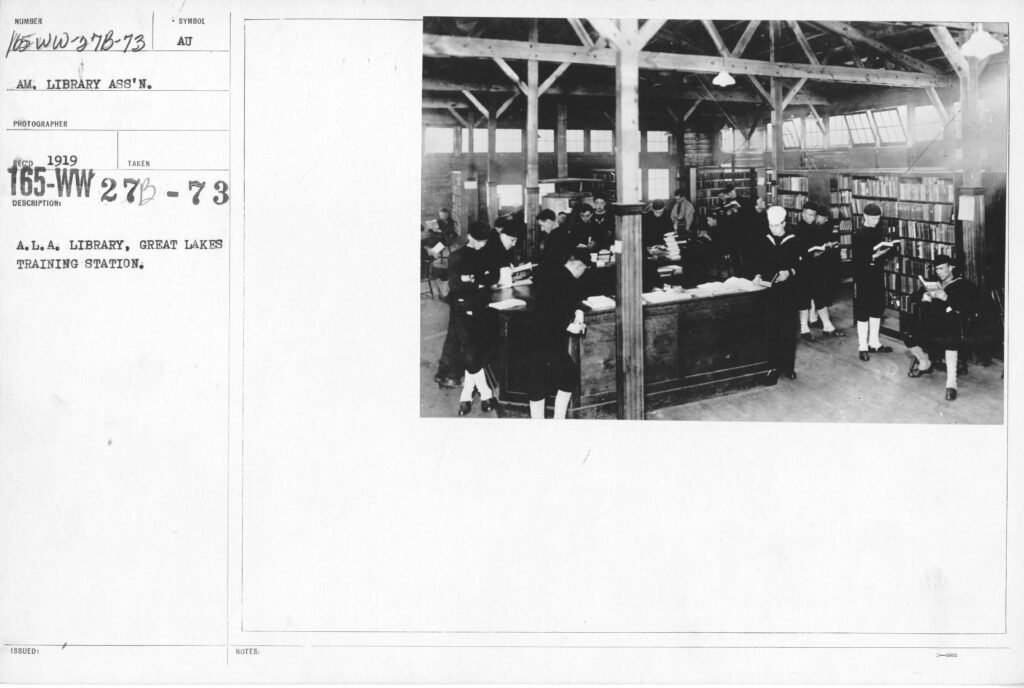
Planning How a Library Spends Its Money Library budgeting is the annual or multi year process of deciding how limited funds get allocated across the many things a library needs to operate, from staff salaries to new books to building maintenance. Because personnel costs typically consume the largest share of any library budget, decisions about
Library Budgeting Read More »
The process of planning and allocating library funds across staffing, materials, technology, and facilities to meet institutional goals.
Who Is Responsible for a Library Library governance describes the structures through which a library is directed, funded, and held accountable, answering the basic question of who ultimately decides what a library does and how it spends its money. The answer varies widely by library type and by country, ranging from elected boards to university
Library Governance Read More »
The organizational and legal structures through which libraries are overseen, funded, and held accountable to the public or institution they serve.
The Library of Congress Classification is an alphanumeric system for organizing library materials by subject, developed by the Library of Congress in the United States in the early twentieth century and widely adopted by academic and research libraries. The system divides knowledge into broad classes represented by single or double letters, such as Q for
Library of Congress Classification Read More »
The Library of Congress Classification is an alphanumeric system for organizing library materials by subject, used primarily by academic and research libraries in the United States and elsewhere.
Designing Space for Changing Library Use Library space planning is the practice of organizing a library building so that its physical layout supports the services patrons actually use, balancing collections, technology, seating, meeting rooms, and staff work areas within a fixed footprint. The task has grown more complex as library use patterns have shifted substantially
Library Space Planning Read More »
The design and organization of library facilities to balance collections, technology, programming, and seating within available space.
Who Keeps a Library Running Library staffing and human resources covers the full range of work needed to recruit, train, schedule, and retain the people who operate a library, from credentialed librarians to part time pages who shelve returned books. Because library service hours often extend into evenings and weekends, scheduling alone presents a constant
Library Staffing and Human Resources Read More »
The practices libraries use to recruit, train, schedule, and support the staff who carry out library operations.
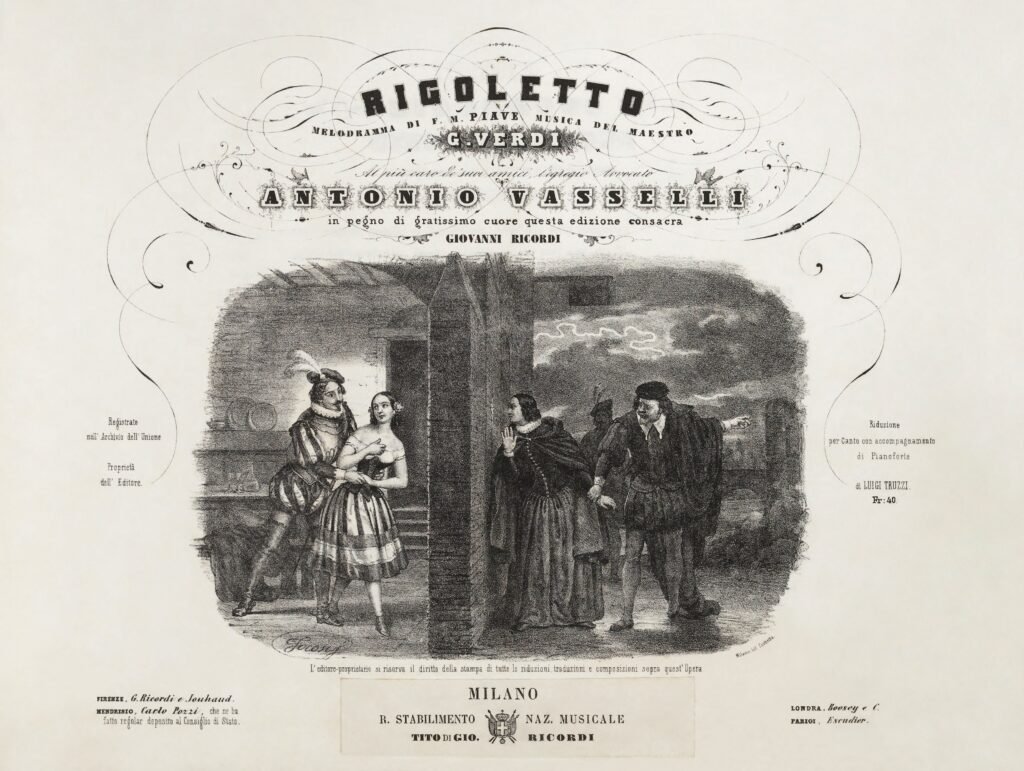
A libretto is the text, including both the words to be sung and any accompanying stage directions, written for an opera, operetta, oratorio, cantata, or musical, distinct from both a simple plot summary and the composer’s musical score that ultimately sets that text to music. Libretto versus score Although a printed score contains the libretto’s
Libretto Read More »
The text, words and stage directions, written for an opera, operetta, oratorio, or musical.