
Kelp Forest
Image: Kelp forest, Channel Islands National Marine Sanctuary, NOAA Photo Library, public domain, via Wikimedia Commons
Image: Kelp forest, Channel Islands National Marine Sanctuary, NOAA Photo Library, public domain, via Wikimedia Commons
A dense underwater stand of large brown algae that forms a highly productive, three-dimensional habitat supporting rich marine biodiversity along cold temperate coastlines.
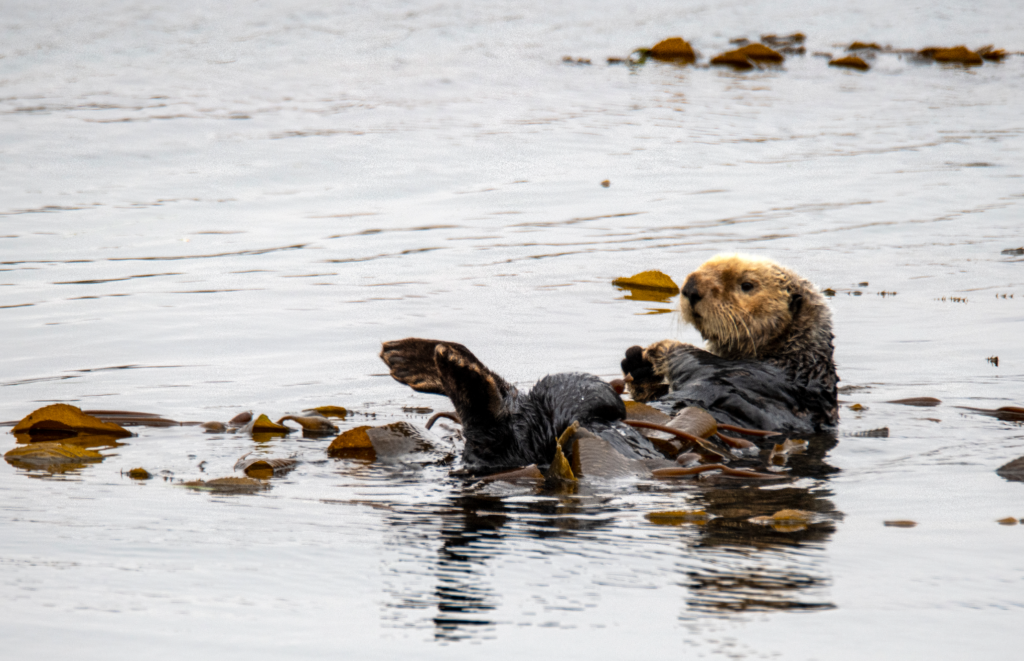
A keystone species is an organism whose presence has a disproportionately large effect on the structure and stability of its ecological community, relative to how abundant it actually is. Removing a keystone species can set off a chain of changes that reshapes an entire community, even though the species itself may be neither the largest
A keystone species is an organism whose ecological impact far outweighs its abundance, often holding an entire community's structure together.

Kinship care is the placement of a child with a relative or a close family friend when the child cannot safely remain with a parent. Federal law and most state statutes require agencies to consider relatives first before placing a child with an unrelated foster family, reflecting a policy preference for keeping children connected to
The placement of a child with a relative or close family friend rather than an unrelated foster family when a child cannot stay with their parents.
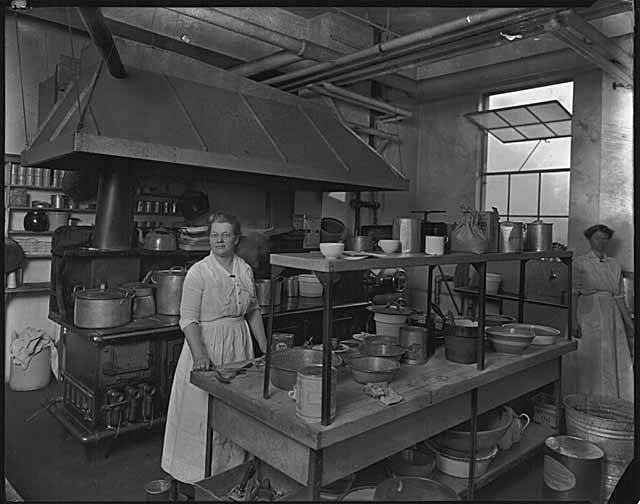
Overview The kitchen brigade system organizes professional kitchen staff into a hierarchical structure with specialized roles, improving coordination and efficiency during high-volume food production. Historical Origins The system was formalized by French chef Auguste Escoffier in the late nineteenth and early twentieth centuries, adapting earlier kitchen organization methods to better suit the demands of large
The kitchen brigade system is a hierarchical structure for organizing kitchen staff into specialized roles and stations, originally developed to manage large professional kitchens efficiently.
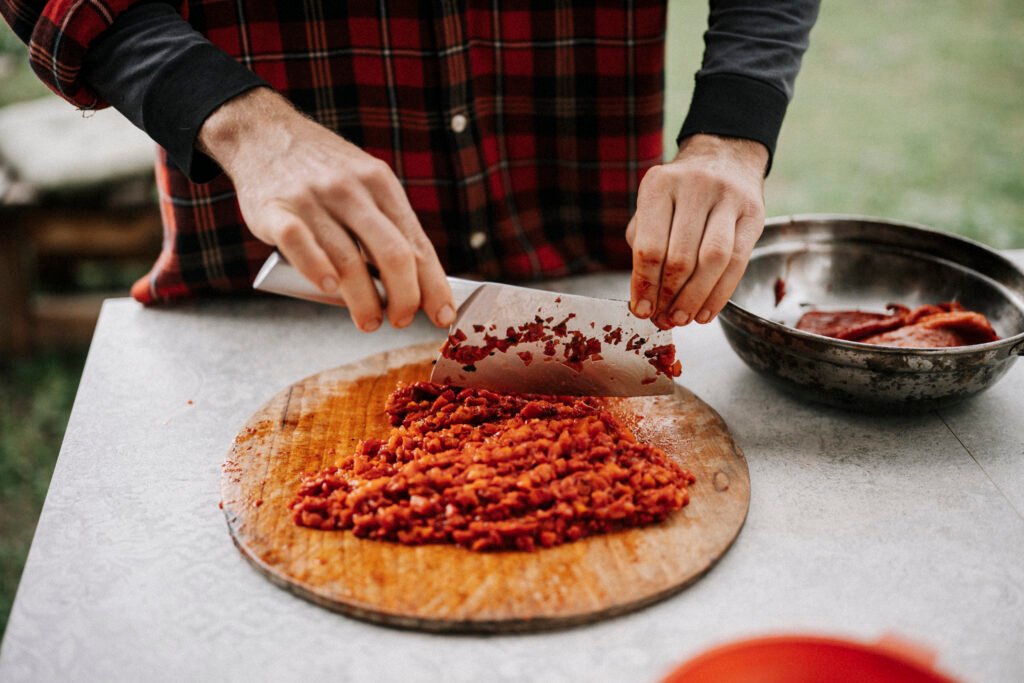
Knife skills are the set of grip, cutting, and safety techniques cooks use to turn whole ingredients into precise, consistent pieces. The discipline covers how a cook holds a knife, how the guiding hand controls the food, and the cuts named for their resulting shape, from a fine brunoise to a rough chop. Grip and
The grip, cutting, and safety techniques cooks use to turn ingredients into precise, consistent shapes.
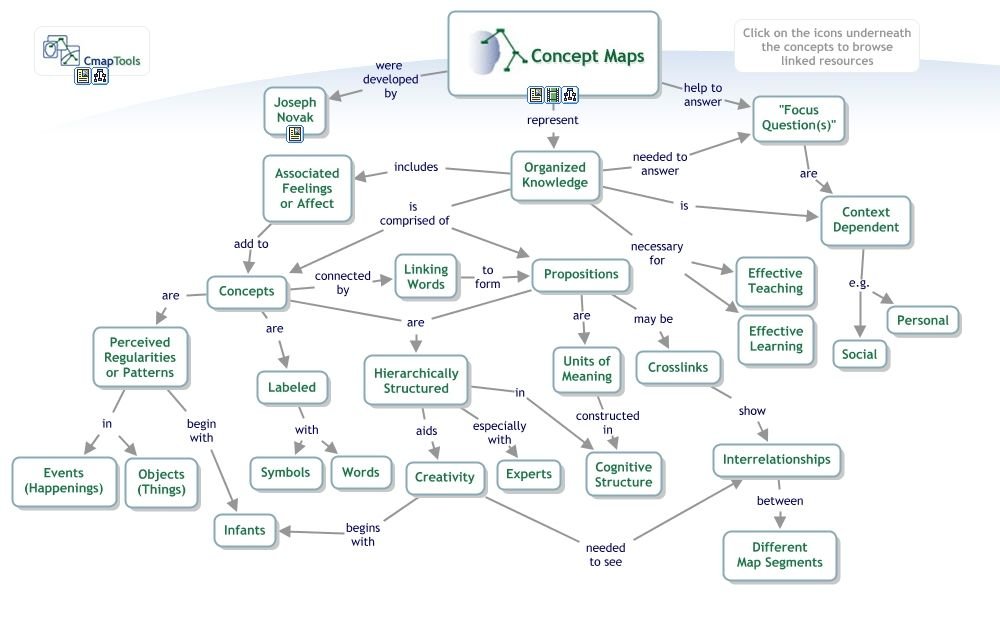
Organizing Concepts and Their Relationships Knowledge organization systems is an umbrella term covering the various structured tools, including thesauri, taxonomies, classification schemes, and ontologies, that information professionals use to organize concepts within a subject domain and define how those concepts relate to one another. These systems provide the structural backbone that lets large, complex collections
Structured schemes such as thesauri, taxonomies, and ontologies used to organize concepts and their relationships within a domain.

La Nina is the cooler counterpart to El Nino, part of the El Nino-Southern Oscillation (ENSO) cycle that governs much of the planet’s year-to-year climate variability. It occurs when sea surface temperatures across the central and eastern tropical Pacific Ocean drop below their long-term average, typically by half a degree Celsius or more, sustained over
La Nina is the cooler phase of the El Nino-Southern Oscillation, marked by below-average sea surface temperatures in the central and eastern tropical Pacific.

The Three Rs Framework Laboratory animal welfare is organized globally around the Three Rs framework, first articulated in the late 1950s and now embedded in research ethics review worldwide. Replacement calls for substituting non-animal methods, including cell culture, computer modeling, and human tissue studies, whenever scientifically valid alternatives exist. Reduction calls for using the minimum
The standards, oversight, and practices governing the humane care, housing, and use of animals in scientific research and testing.
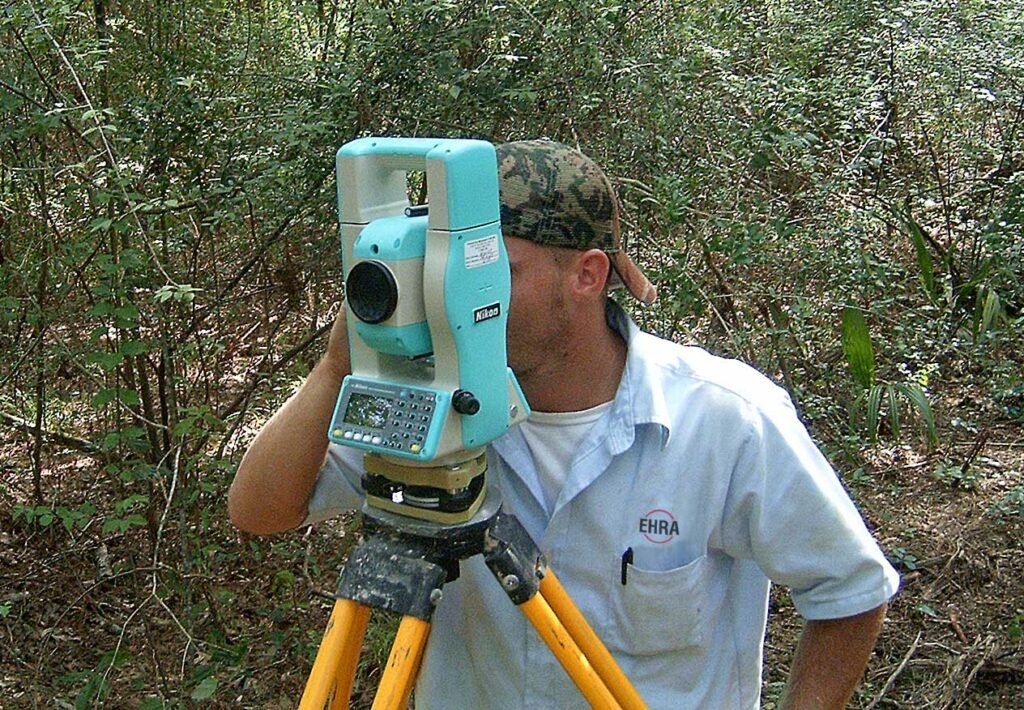
Land surveying is the practice of precisely measuring and mapping the position, elevation, and boundaries of points on the earth’s surface, providing the accurate spatial data that construction, property transactions, and infrastructure planning all depend on. Before any major building project begins, surveyors establish exactly where a structure will sit, how the land slopes, and
The practice of precisely measuring and mapping the position, elevation, and boundaries of points on the earth surface.
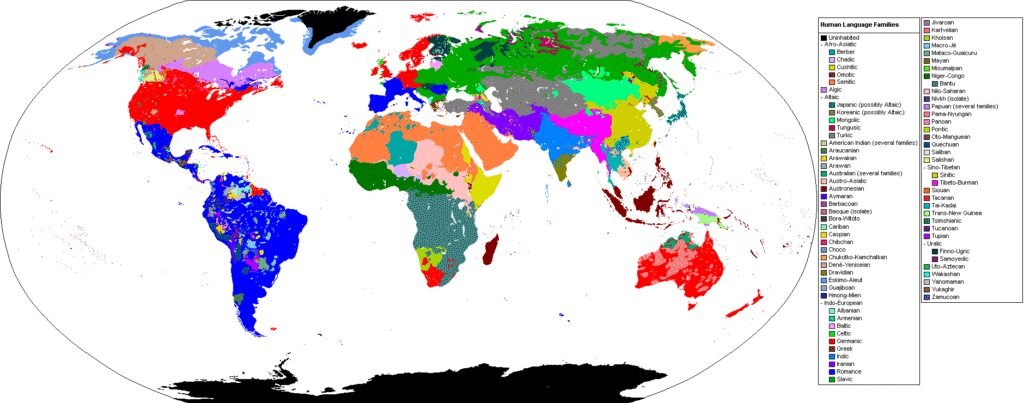
In simple terms A language family is a group of languages that all descend from one earlier language. Membership is a claim about history: these languages are relatives, not just neighbors that borrowed words from each other. Glottolog, an academic catalogue of the world’s languages, sorts the 7,674 spoken first languages it listed as of
A language family is a group of languages that all descend from a single earlier ancestor language.