Life Cycle Assessment
Image: Example Life Cycle Assessment stages diagram by MtW17, CC BY-SA 4.0, via Wikimedia Commons
Image: Example Life Cycle Assessment stages diagram by MtW17, CC BY-SA 4.0, via Wikimedia Commons
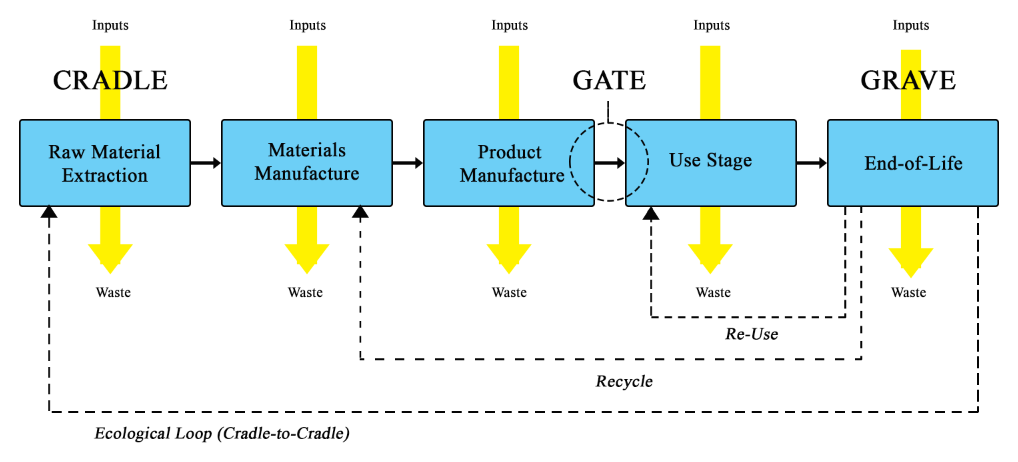
A systematic method for evaluating the environmental impacts of a product or process across its entire life span, from raw material extraction to disposal or recycling.
In simple terms Life expectancy at birth is the number of years a newborn would live if the death rates of its birth year stayed the same for the rest of its life. So it summarizes current mortality rather than forecasting any individual life. A baby born in a high-life-expectancy year has no guarantee, and
Life expectancy at birth is how long a newborn would live if current death rates stayed the same for life.
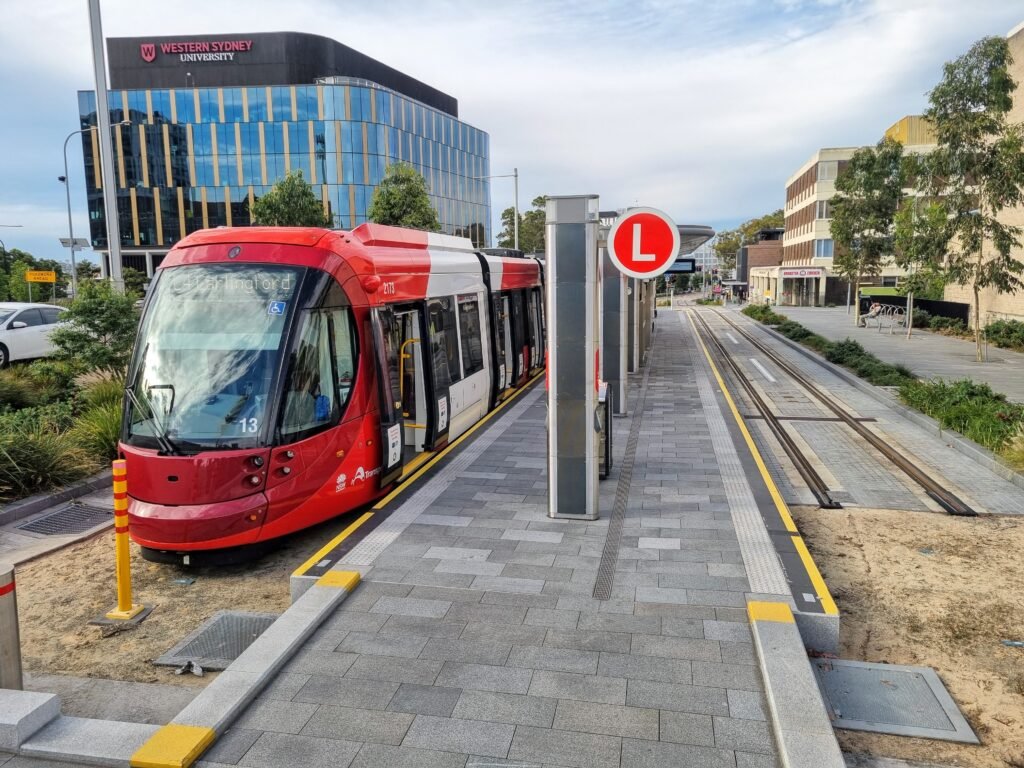
Positioning Between Bus and Subway Light rail transit occupies a middle position in the hierarchy of urban transit modes, offering higher capacity and generally smoother, faster service than buses while typically costing less to build than a fully grade-separated heavy rail subway. Light rail vehicles are usually narrower and lighter than subway cars, allowing them
Light rail transit is an electric rail system that typically runs in a mix of dedicated and street-level rights-of-way, carrying more passengers than a bus but less than a full subway.
Lighting design is the discipline of planning how artificial and natural light will illuminate a space, balancing functional visibility requirements with aesthetic, psychological, and energy considerations to support the activities that will take place within a given environment. Lighting designers work across architecture, interior design, theater, and other fields, applying knowledge of light quality, fixture
The discipline of planning artificial and natural light to support the functional and aesthetic needs of a space.
Linked data is a method of structuring and publishing data so that individual pieces of information are connected to related data across the web through standardized identifiers and relationship types, allowing both people and machines to follow connections between datasets. The approach rests on a small set of principles: use web addresses, known as Uniform
Linked data is a method of structuring and publishing data so that individual pieces of information are connected to related data across the web using standardized identifiers and relationships.
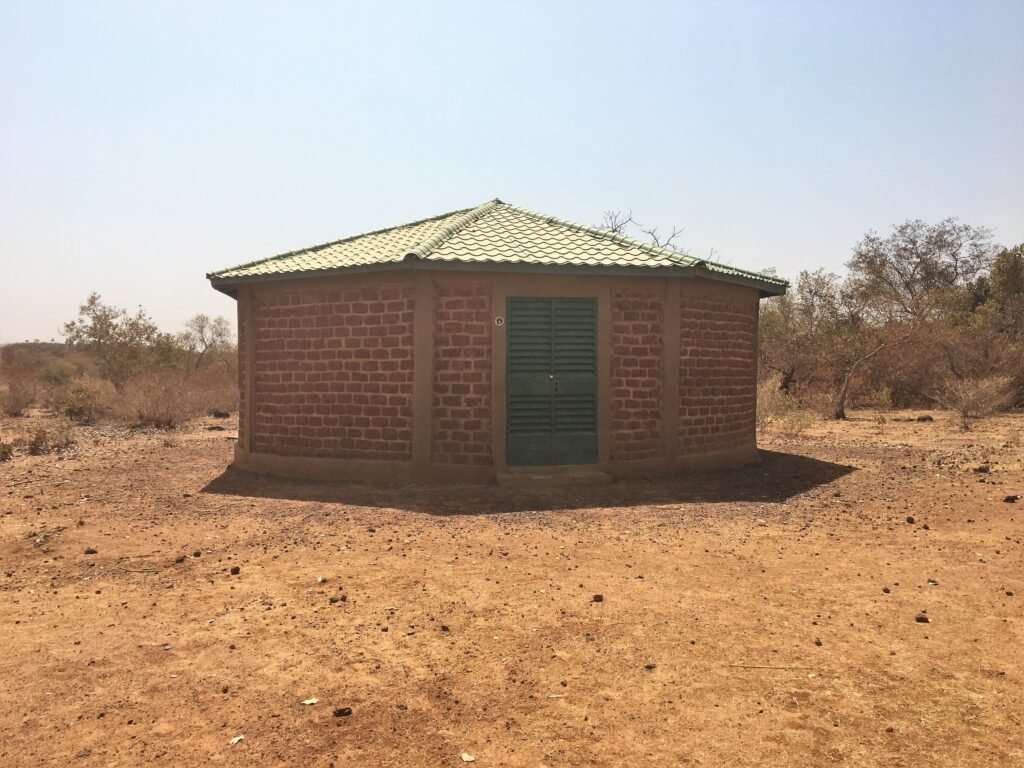
In simple terms The literacy rate is the share of a population who can read and write. The standard international version counts people aged 15 and over who can, with understanding, both read and write a short simple statement about their everyday life. [1][2] That definition sets a deliberately low bar. It measures basic literacy,
The literacy rate is the share of a population, usually aged 15 and over, able to read and write a simple everyday statement.
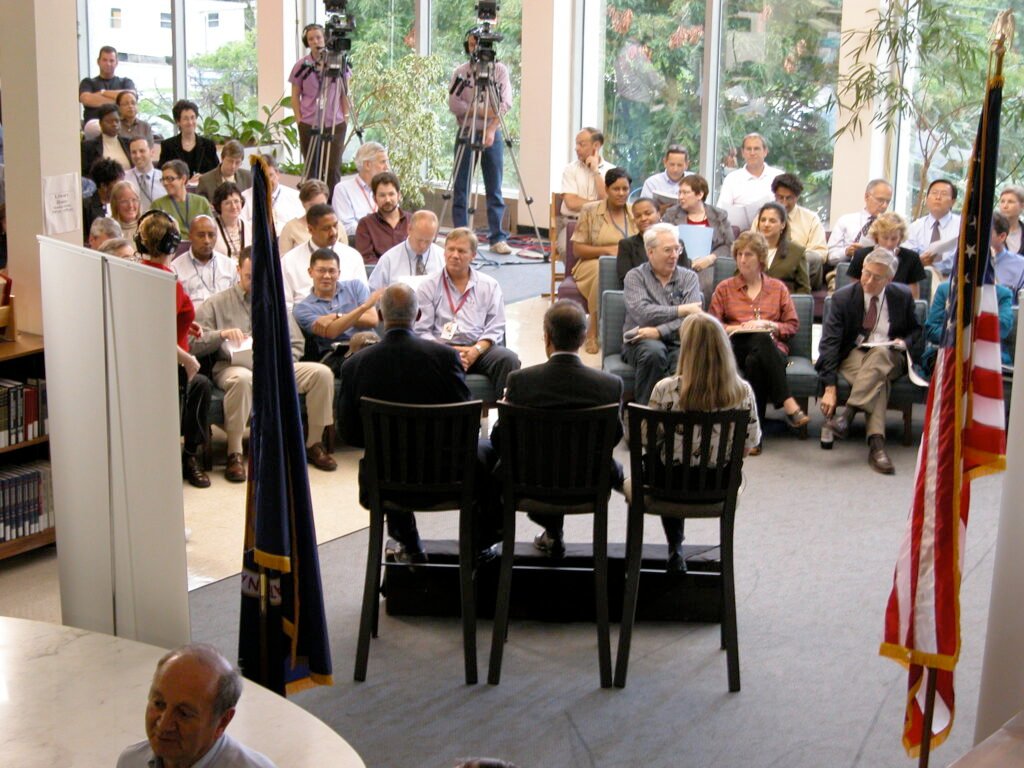
Live streaming media refers to the real-time transmission of video or audio content over the internet, allowing audiences to watch or listen to events as they happen rather than after recording and editing. It has become an increasingly significant format for breaking news, press conferences, and major public events, offering immediacy that traditional broadcast scheduling
The real-time transmission of video or audio content over the internet as events happen.
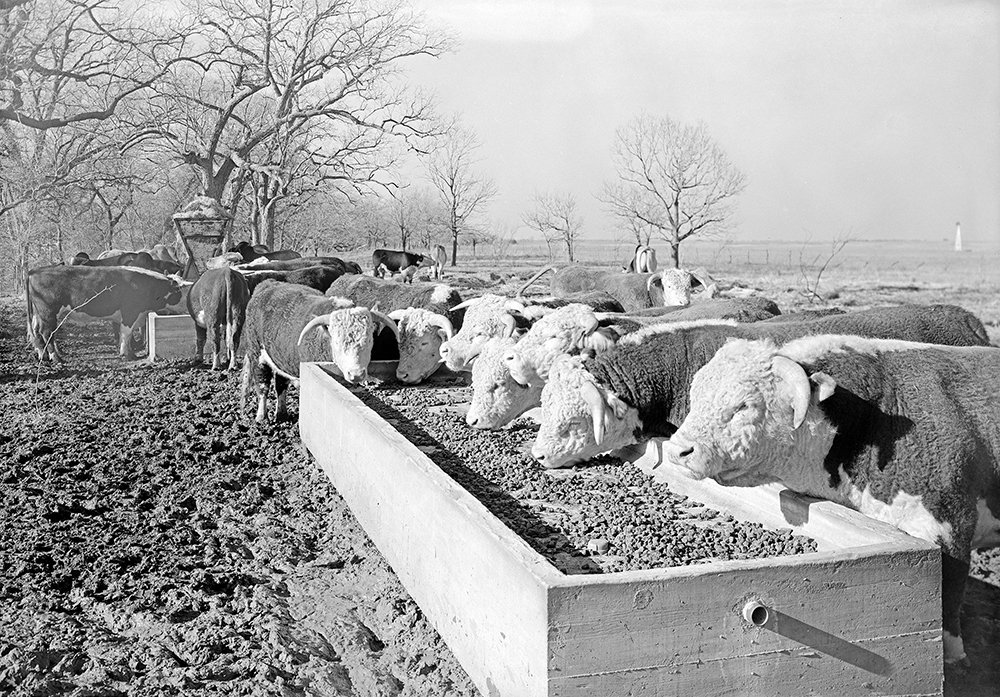
Regulatory Variation Across Jurisdictions Livestock housing and welfare standards vary considerably between countries and even between regions within the same country, reflecting different cultural attitudes toward animal welfare, varying agricultural economic structures, and differing regulatory traditions, with some jurisdictions imposing detailed legally mandated space and housing requirements while others rely more heavily on voluntary industry
Livestock housing and welfare standards are the facility design requirements and animal care guidelines intended to ensure adequate space, comfort, and wellbeing for farm animals.
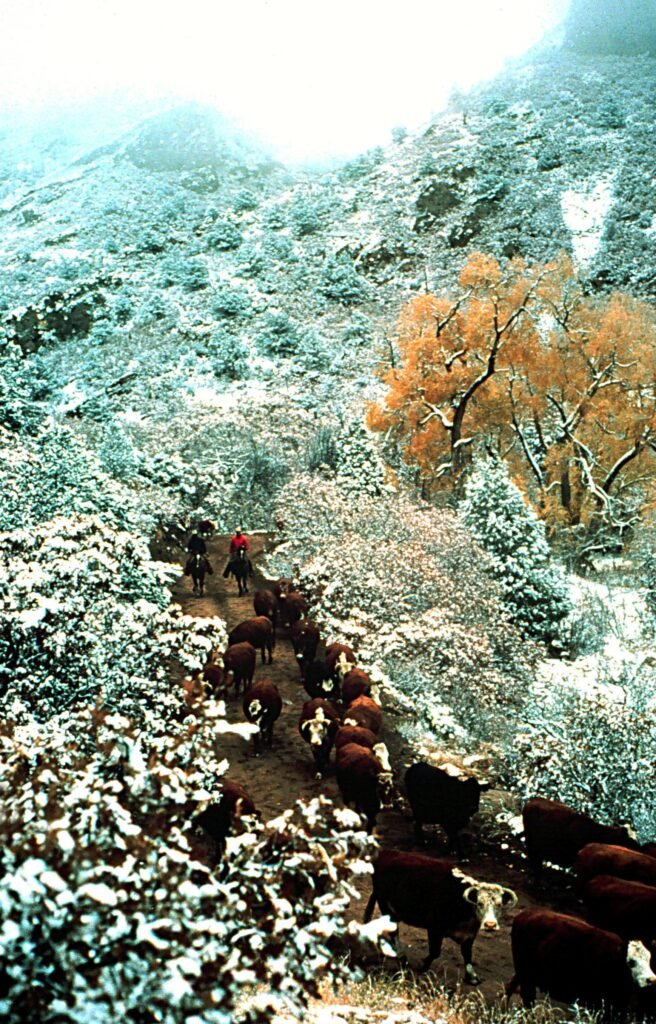
Core Components of Management Decisions Livestock management integrates several interdependent decision areas, including nutrition programs tailored to an animal’s age and production stage, health protocols covering vaccination and parasite control, housing and facility design appropriate to the species and climate, and breeding decisions that shape the genetic makeup of future generations. These components do not
Livestock management is the practice of raising and caring for domesticated animals for agricultural production, covering nutrition, health, housing, and breeding decisions.
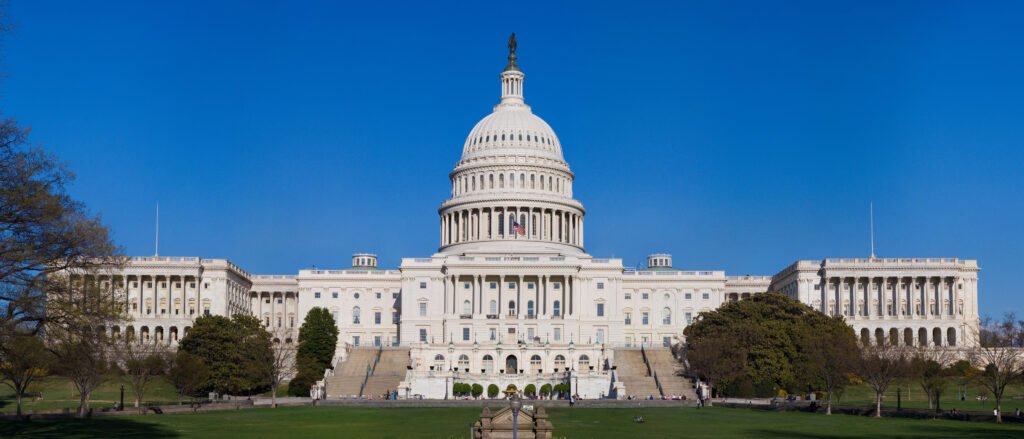
Lobbying is the activity of paid professionals, typically called lobbyists, who work to influence key legislators, executives, and other government officials on behalf of a particular client, industry, or cause. It is generally conducted through private meetings, research and position papers, and sustained relationship-building with officials, distinguishing it from the broader, more general right of
The activity of paid professionals who work to influence legislators and government officials on behalf of a client, industry, or cause.