The cotton gin is a machine that separates cotton fibers from their seeds. Eli Whitney built one in Georgia in 1793 and patented it in 1794, and its spread made upland cotton profitable across the American South while deepening the region’s dependence on enslaved labor. History of the cotton gin Whitney was a Yale graduate
Cotton gin Read More »
A machine that separates cotton fibers from seeds, patented by Eli Whitney in 1794 and tied to the growth of cotton farming and slavery.
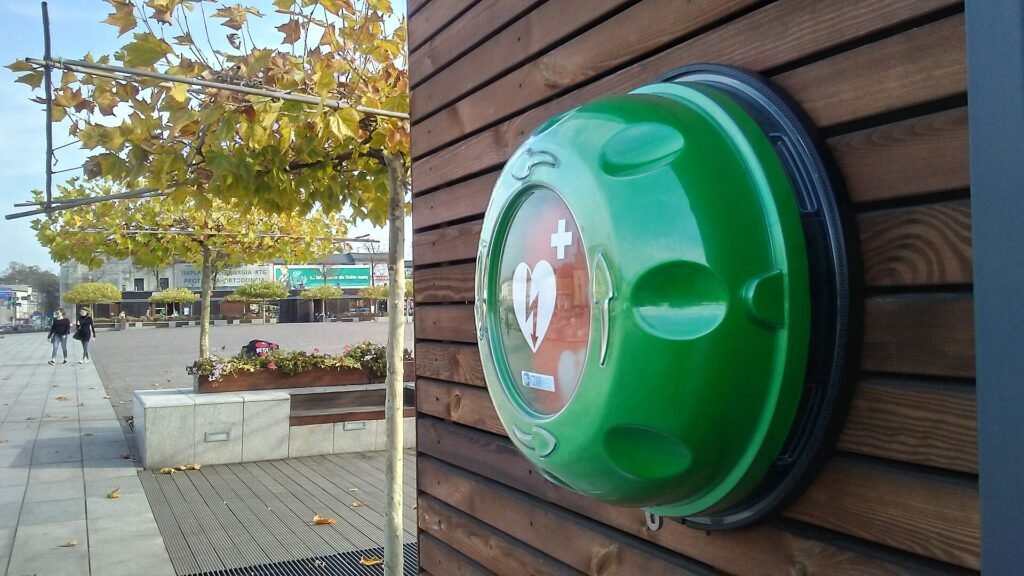
A defibrillator is a medical device that delivers an electric shock to the heart to stop a dangerous rhythm and give the heart a chance to resume a normal beat. The National Heart, Lung, and Blood Institute (NHLBI) describes defibrillators as devices that apply an electric charge or current to the heart to restore a
Defibrillator Read More »
A medical device that delivers an electric shock to the heart to stop a dangerous rhythm and let a normal beat resume.
Dynamite is an explosive made by absorbing nitroglycerin in an inert material so that it can be handled and transported more safely. It was patented in 1867 by the Swedish inventor Alfred Nobel, who also devised the blasting cap used to set it off. Dynamite made roads, tunnels, canals and mines cheaper to build in
Dynamite Read More »
An explosive made by absorbing nitroglycerin in an inert earth so it can be handled safely, patented by Alfred Nobel in 1867.
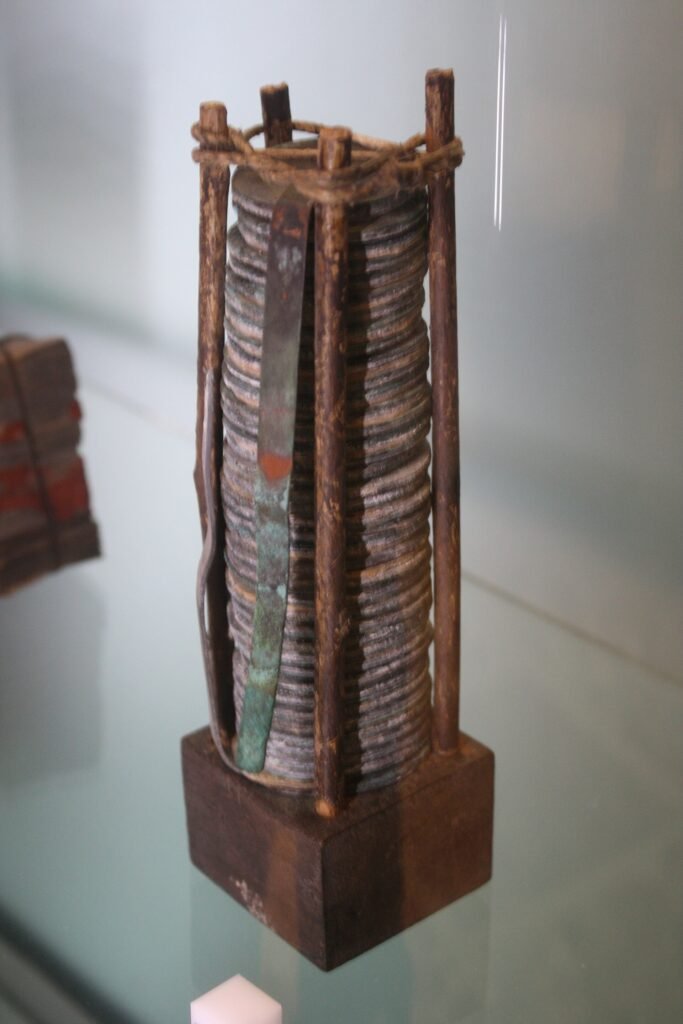
An electric battery is a device that stores chemical energy and releases it as electricity through one or more electrochemical cells. The first was the voltaic pile, which Alessandro Volta described in a letter dated March 20, 1800, and it was the first device to give a steady supply of electric current. History of the
Electric battery Read More »
A device that turns stored chemical energy into electric current, first built as the voltaic pile by Alessandro Volta in 1800.
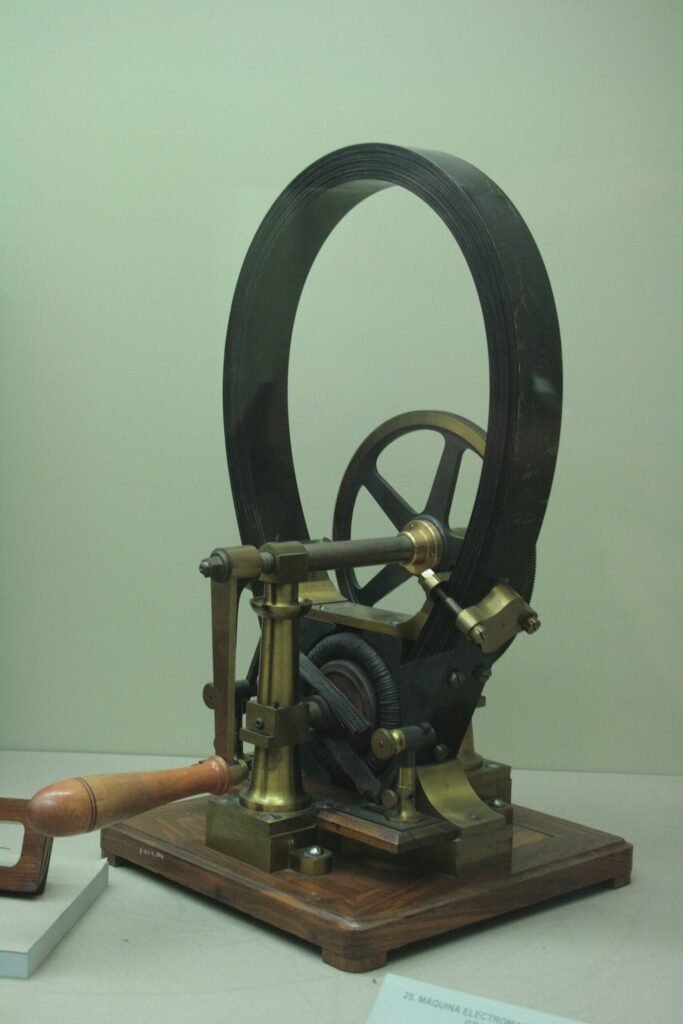
An electric generator is a machine that converts mechanical energy into electrical energy. Most electricity is made by generators based on electromagnetic induction, which Michael Faraday discovered in 1831, and the first practical dynamos followed in 1832 and 1871. History of the electric generator On August 29, 1831, Michael Faraday carried out what the Linda
Electric generator Read More »
A machine that turns motion into electricity by electromagnetic induction, first shown by Michael Faraday in 1831.
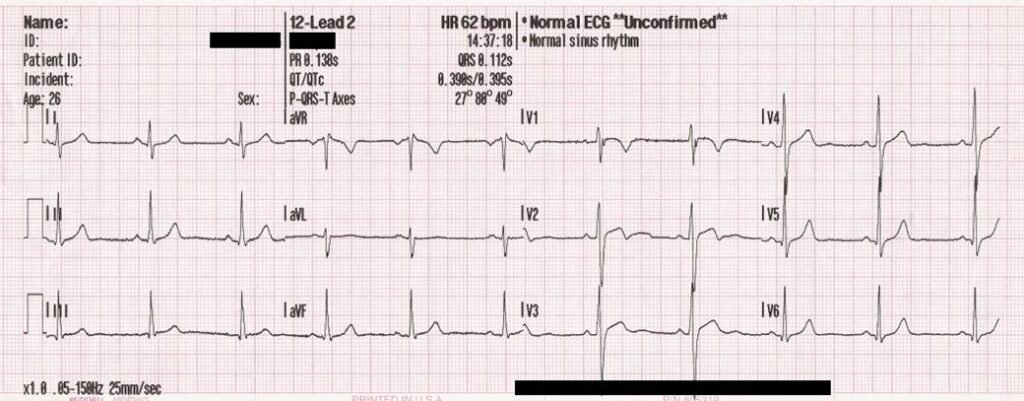
An electrocardiogram (ECG, also written EKG) is a test that records the electrical signals the heart makes each time it beats. MedlinePlus, the health information service of the U.S. National Library of Medicine, describes it as a simple, painless and quick test. The recording appears as wavy lines with sharp spikes, and a trained clinician
Electrocardiogram Read More »
A painless test that records the heart's electrical signals with sensors on the skin, shown as wavy lines called waves.
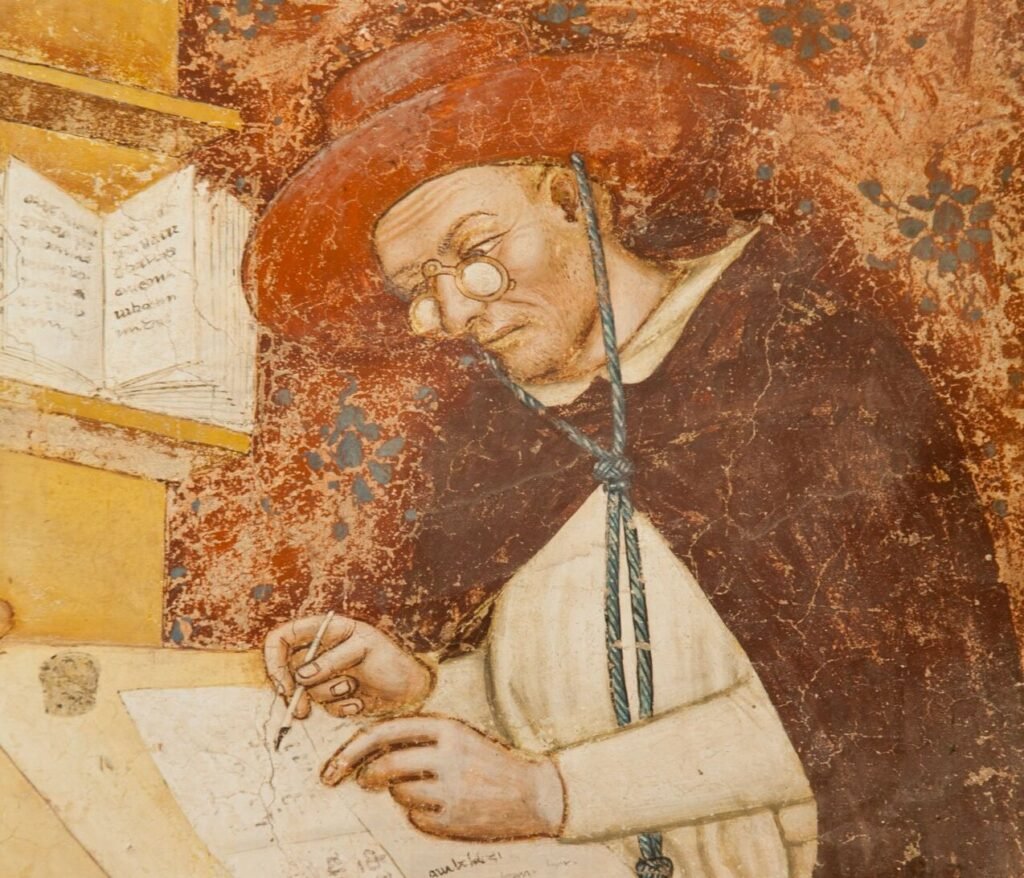
Eyeglasses, also called spectacles, are lenses mounted in a frame and worn in front of the eyes to improve sight. The first spectacles with convex lenses were most likely made in Pisa, Italy, around 1286, and the name of their maker has not survived. History of eyeglasses Historians have found no firm evidence that people
Eyeglasses Read More »
Lenses in a frame worn to improve sight, first made in Pisa, Italy, around 1286 by a maker whose name is unknown.
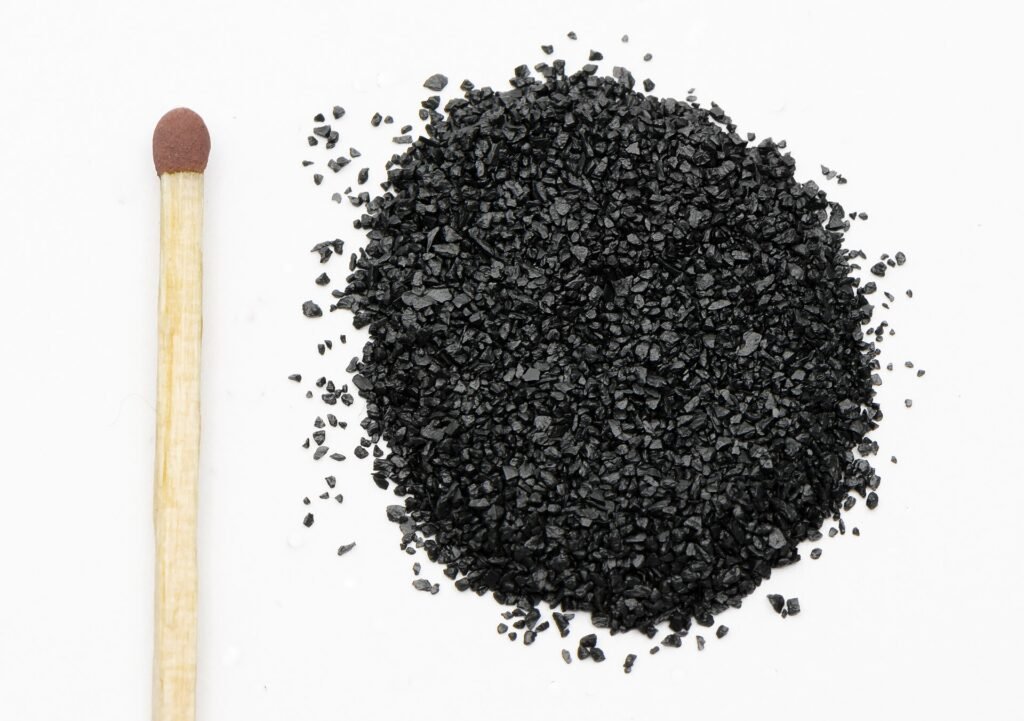
Gunpowder, also called black powder, is a mixture of saltpeter (potassium nitrate), sulfur and charcoal that burns very quickly and can drive projectiles from a barrel. Chinese alchemists developed it before the 11th century, and its use in weapons spread across Asia and into Europe in the 13th and 14th centuries. History of gunpowder Gunpowder
Gunpowder Read More »
A mixture of saltpeter, sulfur and charcoal that burns rapidly to propel projectiles, developed by Chinese alchemists before the 11th century.
A light bulb is a glass enclosure that produces light, and the term usually means the incandescent lamp, in which an electric current heats a thin filament until it glows. Thomas Edison patented a carbon-filament lamp in 1879, but many inventors, including Joseph Swan, worked on the idea before and alongside him. History of the
Light bulb Read More »
A glass enclosure that gives light, usually by heating a filament with electric current; Edison and Swan both produced practical lamps.
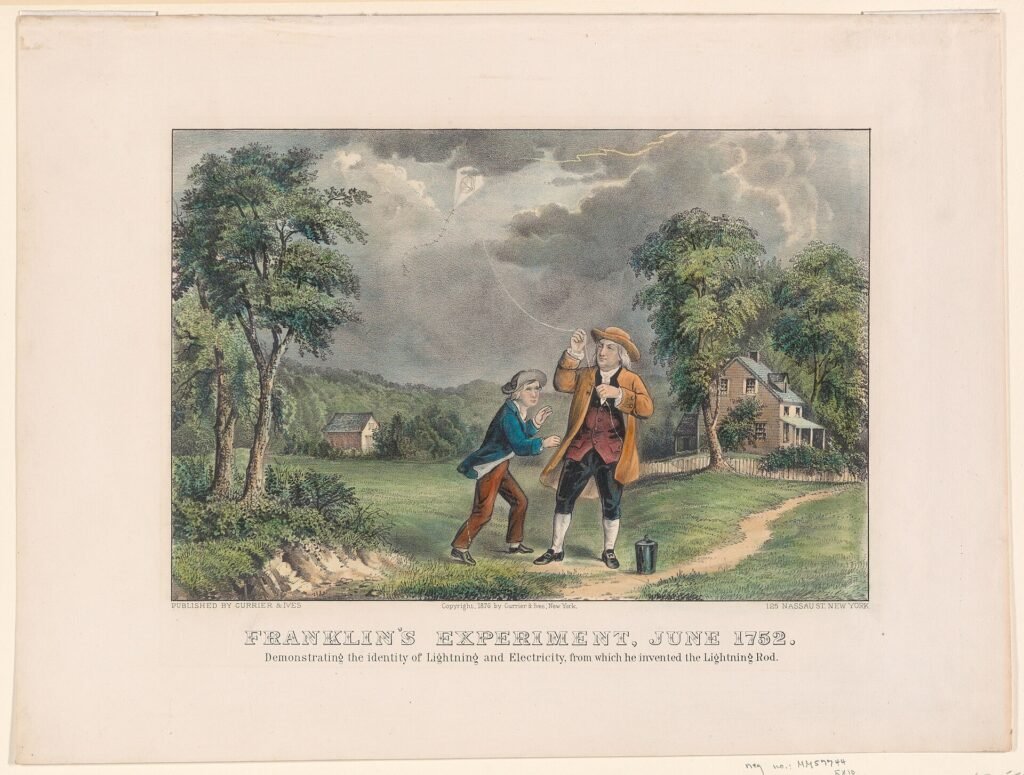
A lightning rod is a metal rod fixed to the top of a structure and joined by a heavy conductor to the ground, so that a lightning strike follows a safe path instead of passing through the building. Benjamin Franklin developed the idea around 1750, and a Czech priest built a similar grounded apparatus in
Lightning rod Read More »
A grounded metal rod on a structure that gives lightning a safe path to the earth, developed by Benjamin Franklin around 1750.