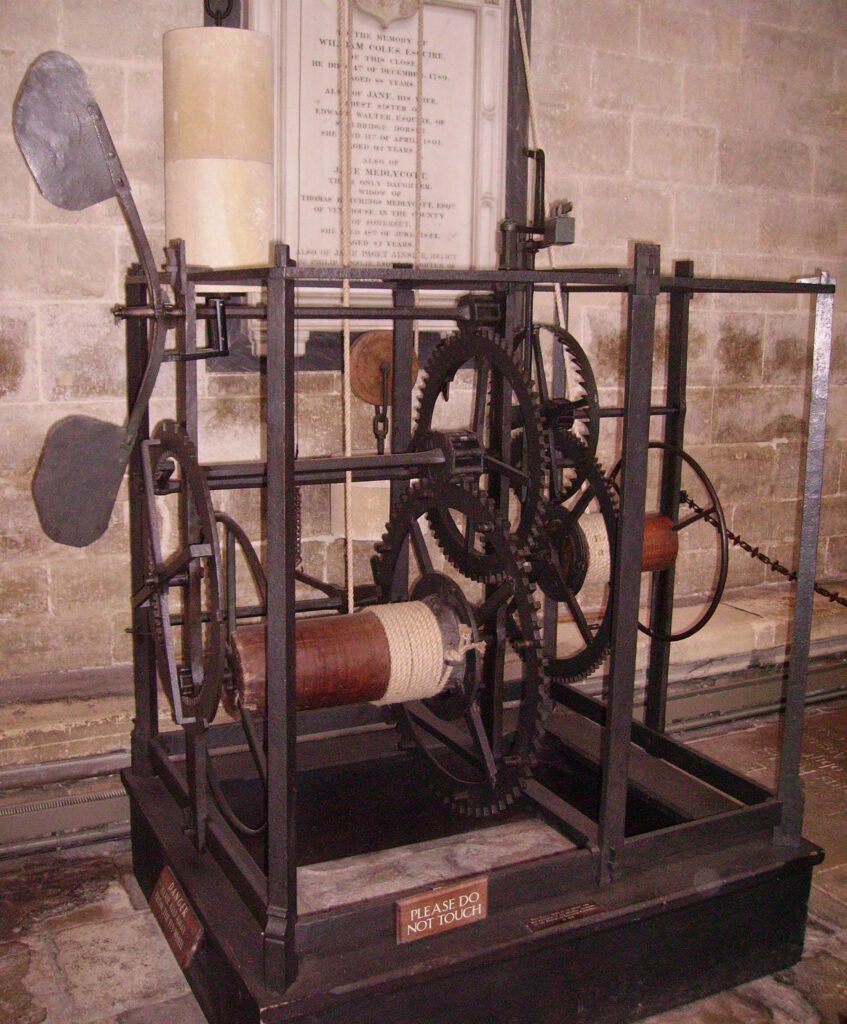
A mechanical clock is a timekeeper driven by a falling weight or a coiled spring and regulated by an escapement, a device that releases the stored energy in small, equal steps. Large weight-driven mechanical clocks first appeared in the towers of Italian cities in the first half of the 14th century, and the maker of
Mechanical clock Read More »
A timekeeper driven by a weight or spring and regulated by an escapement, first built in Italian church towers in the early 1300s.
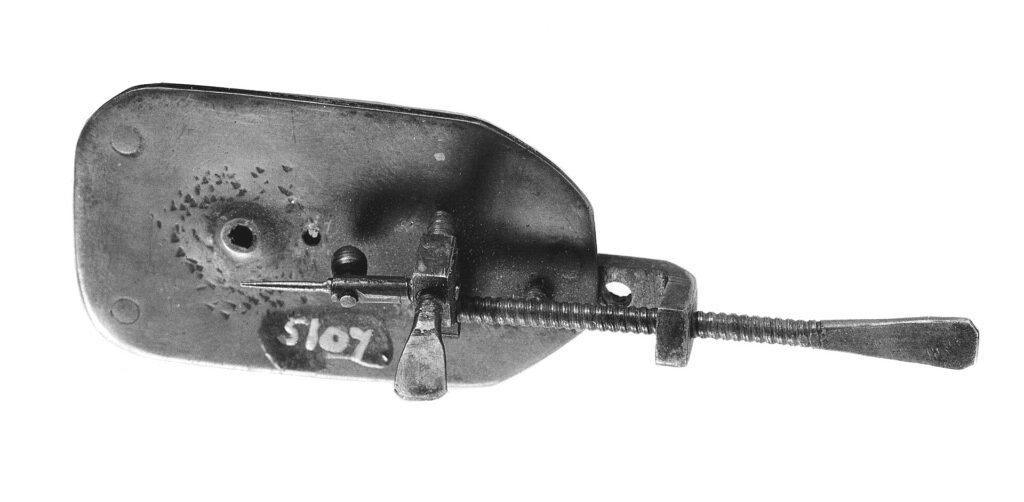
A microscope is an instrument that magnifies objects too small to see with the naked eye. The first compound microscopes appeared in the Netherlands around 1590, Robert Hooke used one to describe cells in 1665, and electron microscopes developed from the early 1930s extended the view to the scale of molecules. History of the microscope
Microscope Read More »
An instrument that magnifies objects too small to see by eye; compound microscopes appeared around 1590 and electron microscopes in the 1930s.
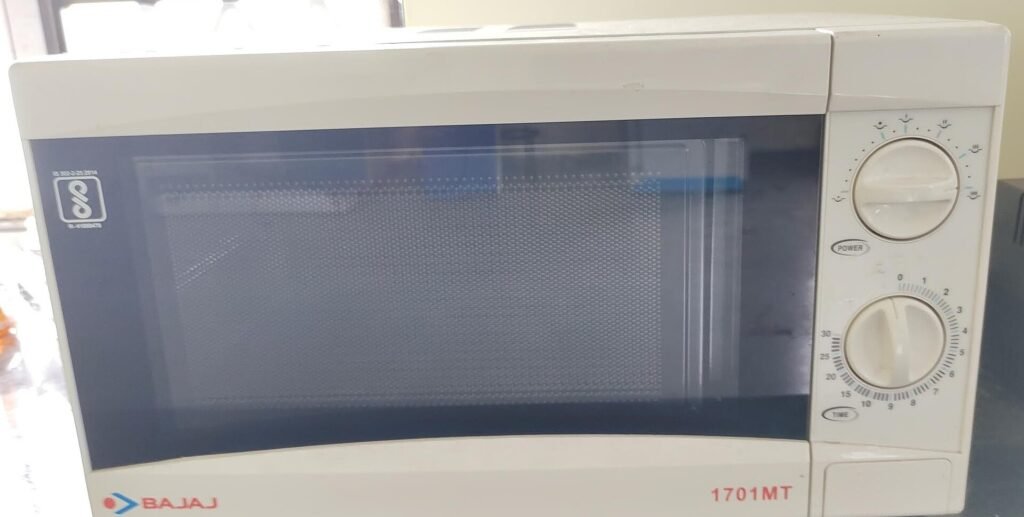
A microwave oven is a kitchen appliance that heats food with microwave radiation, which makes water molecules in the food rotate and produce heat. It grew out of World War II radar research, and the American engineer Percy Spencer is the person most often credited with turning a radar tube into a cooking device. Accounts
Microwave oven Read More »
A microwave oven heats food with microwave radiation from a magnetron, developed from radar research by Percy Spencer at Raytheon.
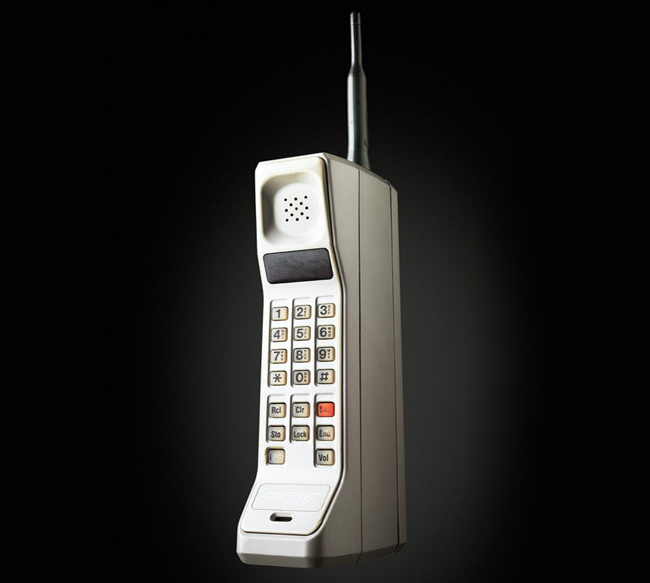
A mobile phone is a portable telephone that sends and receives calls and data by radio through a network of base stations. Martin Cooper of Motorola placed the first call from a handheld cellular phone in New York on April 3, 1973, and by 2025 the International Telecommunication Union counted about 9.2 billion mobile-cellular subscriptions
Mobile phone Read More »
A portable telephone that makes calls and sends data by radio through a cellular network; the first handheld call was made in 1973.
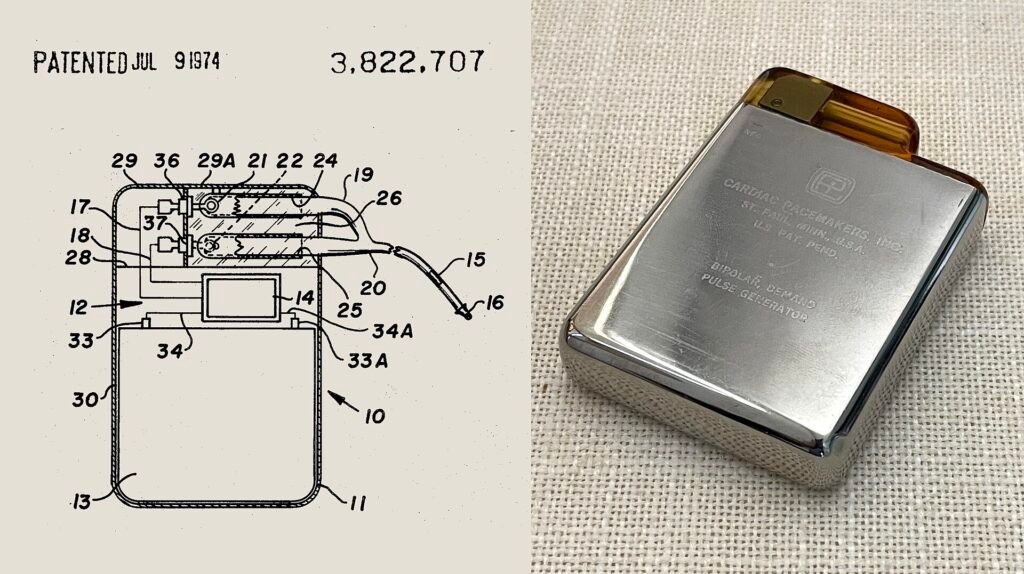
A pacemaker is a small electrical device that sends pulses to the heart to help it beat at a steady rate or keep its chambers in step. The first fully implanted unit was placed in a patient in Sweden in 1958, and a more durable American design followed in 1960. This article is general background
Pacemaker Read More »
A pacemaker is a small device that sends electrical pulses to the heart; the first fully implanted unit was placed in Sweden in 1958.
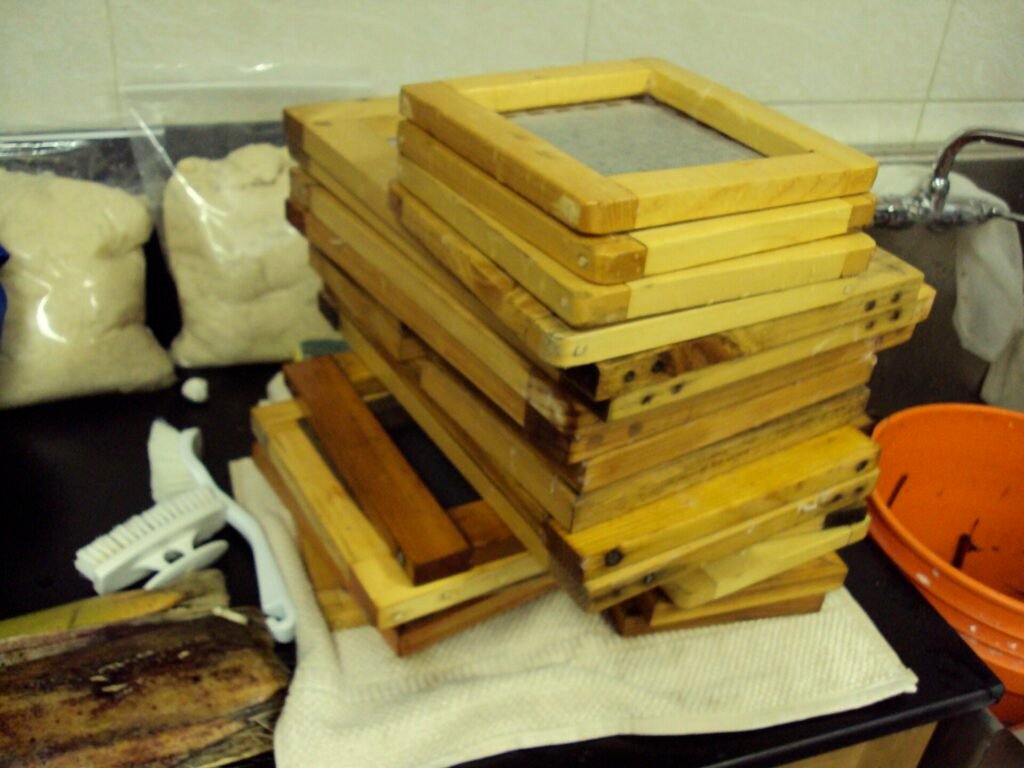
Paper is a thin sheet made from a mat of plant fibers that are separated in water, lifted on a screen and dried. It was developed in China, where the court official Cai Lun presented an improved version to the emperor in 105 CE, and it reached Europe by way of the Islamic world. History
Paper Read More »
A thin sheet of pressed plant fibers, developed in China and credited to Cai Lun in 105 CE, though older paper has been found.
A parachute is a fabric canopy that slows the fall of a person or object by catching air. It is used for emergency escape from aircraft, military airborne operations, sport jumping and the delivery of cargo. Designs were sketched in the 1400s, and the first documented successful public descent took place in 1783. History of
Parachute Read More »
A parachute is a fabric canopy that slows a fall by catching air, first demonstrated publicly by Lenormand in 1783.
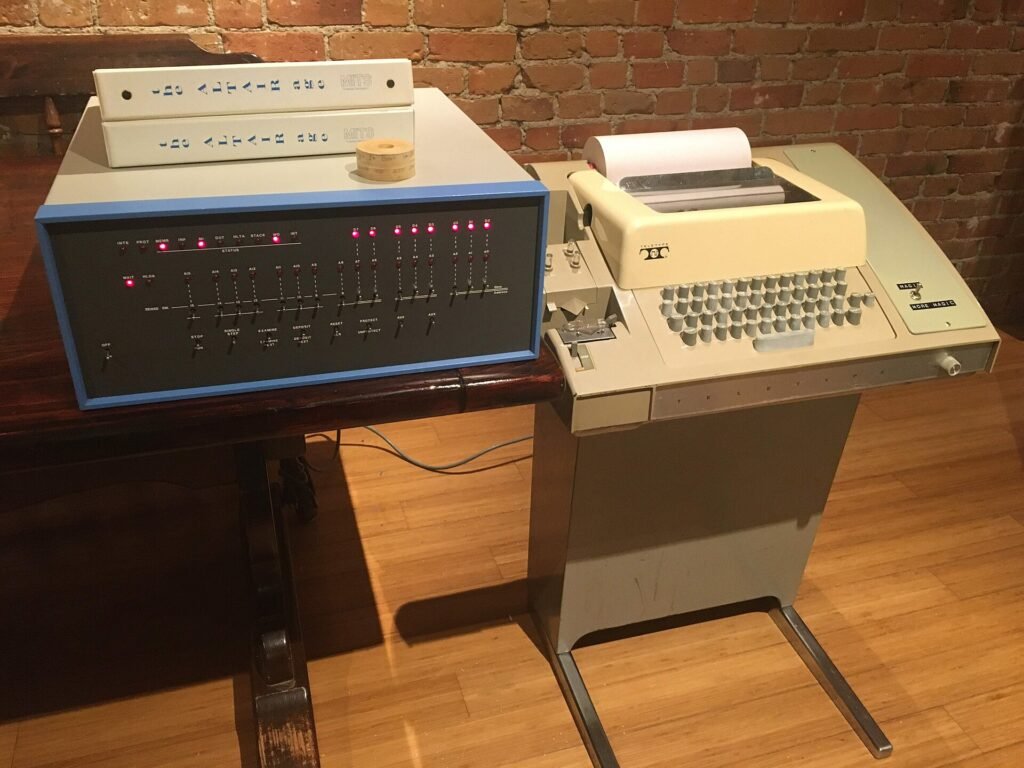
A personal computer is a computer designed for use by one person at a time, small and inexpensive enough to sit on a desk or in a home. The first models appeared in the early 1970s, and the IBM PC of 1981 turned the category into a standard business tool. History of the personal computer
Personal computer Read More »
A computer designed for one person at a time, small and cheap enough for a desk or home; early models appeared in the 1970s.
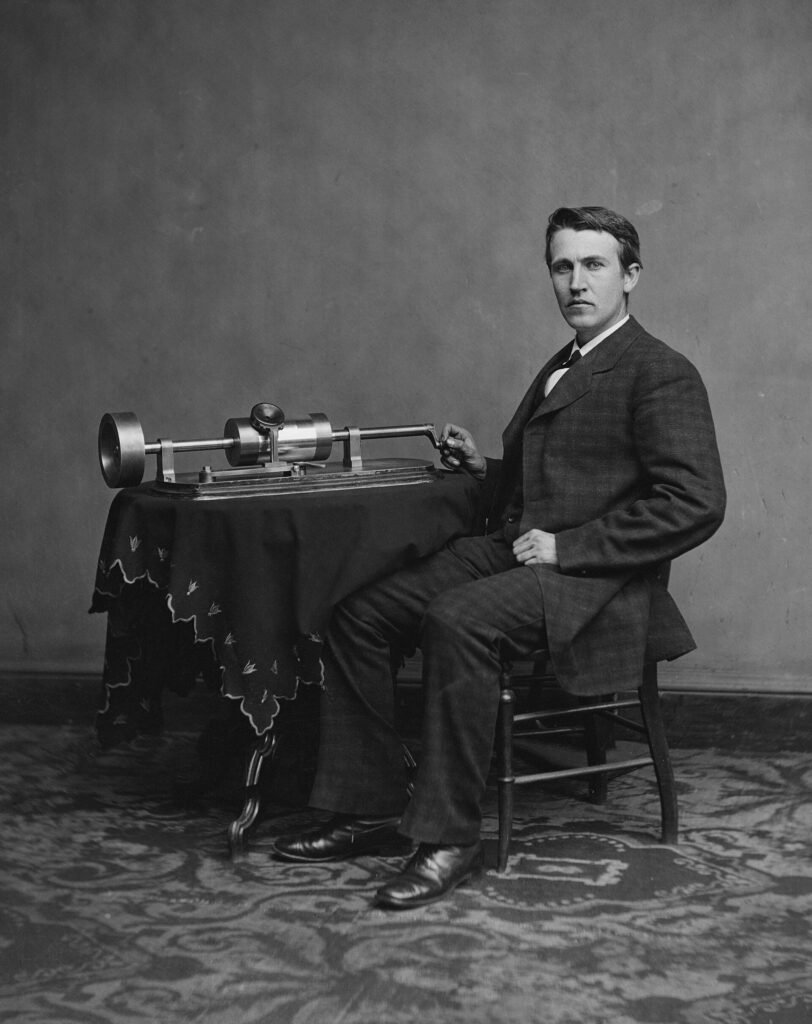
The phonograph is a machine that records sound as a groove on a rotating surface and plays it back by tracing the groove with a needle. Thomas Edison built the first working model in December 1877, using a hand-cranked cylinder wrapped in tin foil. History of the phonograph Edison began with the telephone, not with
Phonograph Read More »
A machine that records sound as a groove and plays it back, first built by Thomas Edison in December 1877 with a tin foil cylinder.
A plow, spelled plough in British English, is a farm tool that cuts and turns over soil to prepare a seedbed. The simplest kind, the ard, scratches a furrow without turning the soil, while the moldboard plow cuts and inverts a whole furrow. John Deere’s self-scouring steel plow of 1837 adapted the moldboard idea to
Plow Read More »
A farm tool that cuts and turns soil for planting, from prehistoric ards to John Deere's steel plow of 1837.