Karachi is the largest city of Pakistan and the capital of Sindh province, a port metropolis on the Arabian Sea that serves as the country’s principal commercial and financial center. It is also home to Mazar-e-Quaid, the mausoleum of Muhammad Ali Jinnah, the founder of Pakistan. Where Is Karachi Located? Karachi sits on the Arabian
Karachi: Geography, History, Culture and Key Facts Read More »
Karachi is Pakistan's largest city and Sindh's capital, home to Mazar-e-Quaid, the mausoleum of Muhammad Ali Jinnah.
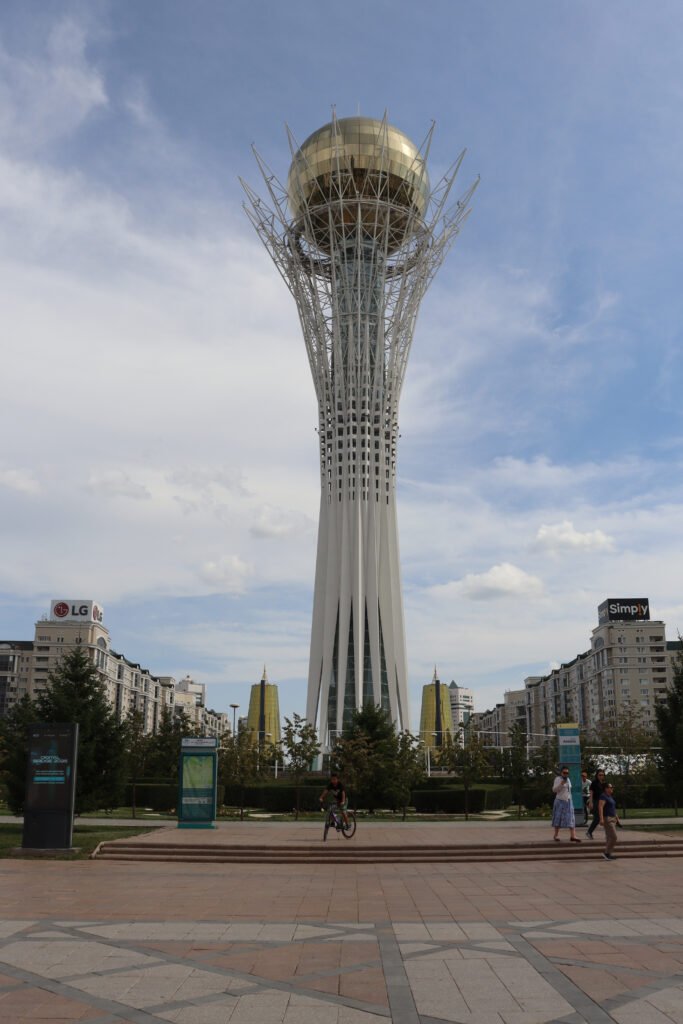
Kazakhstan is a country in Central Asia and the largest landlocked nation on Earth, stretching from the Caspian Sea to the borders of China. Its capital, Astana, is defined by a skyline of futuristic architecture built rapidly after independence, most famously the Baiterek Tower. Where Is Kazakhstan Located? Kazakhstan sits at the crossroads of Europe
Kazakhstan: Geography, History, Government and Key Facts Read More »
The world's largest landlocked country, in Central Asia, known for oil wealth, the Baikonur Cosmodrome and Astana's Baiterek Tower.
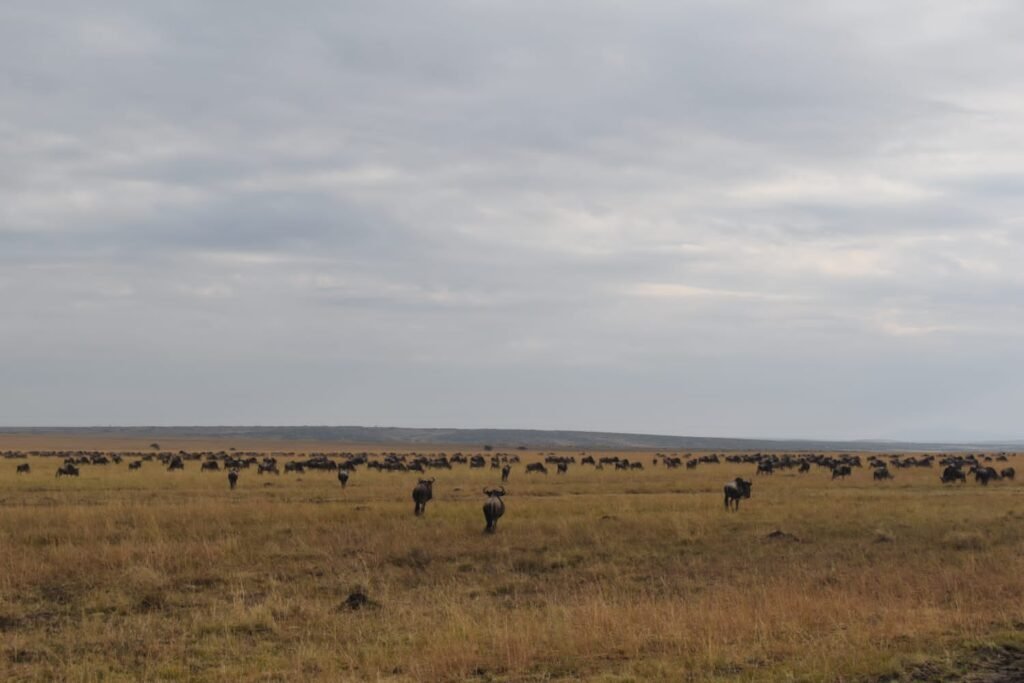
Kenya is a country in East Africa known for the Great Rift Valley, world-renowned long-distance runners, and some of the continent’s most celebrated wildlife reserves, above all the Maasai Mara, where vast herds cross the plains each year in one of the largest land-animal migrations on Earth. Where Is Kenya Located? Kenya straddles the equator
Kenya: Geography, History, Government and Key Facts Read More »
An East African country straddling the equator, known for the Great Rift Valley, elite distance runners, and the Maasai Mara wildebeest migration.
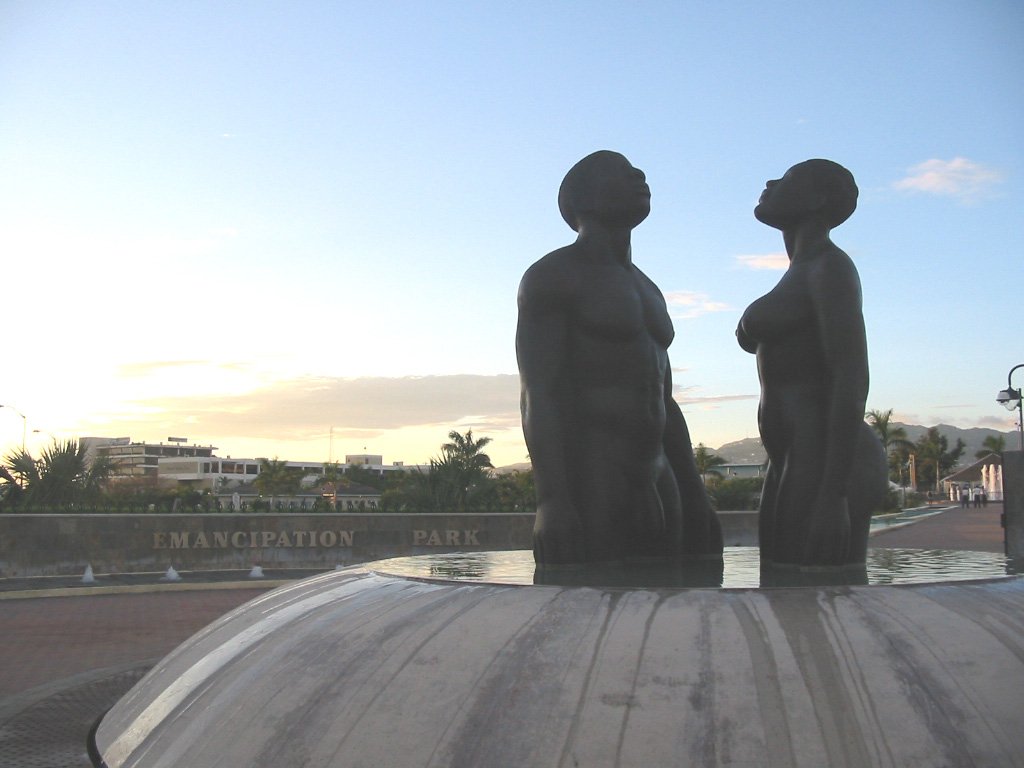
Kingston is the capital and largest city of Jamaica, built around one of the largest natural harbours in the world on the island’s southeastern coast. Founded in the late 17th century as a planned replacement for a destroyed port town, it later became the birthplace of reggae music and remains closely associated with Bob Marley’s
Kingston: Jamaica’s Capital and Home of Reggae Read More »
Kingston is the capital and largest city of Jamaica, built on one of the world's largest natural harbours and the birthplace of reggae music.
Kinshasa is the DRC's capital, on the Congo River directly across from Brazzaville, the world's closest pair of capitals.
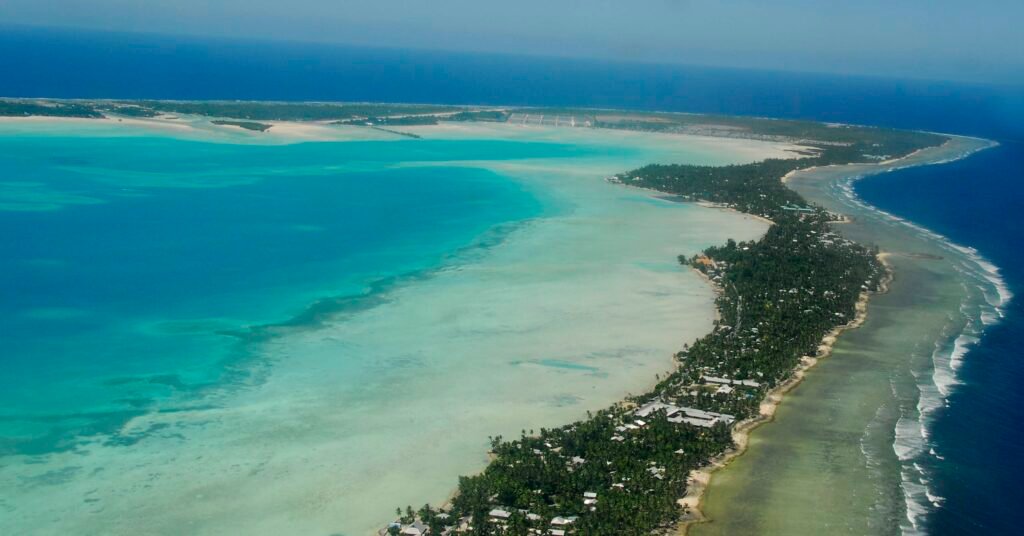
Kiribati is a small island nation in the central Pacific Ocean, made up of 33 atolls and reef islands scattered across a vast expanse of ocean. It is the only country in the world to lie in all four hemispheres, and it has become one of the most cited examples of a nation threatened by
Kiribati: Geography, History, Government and Key Facts Read More »
A low-lying Pacific island nation of 33 atolls, among the countries most threatened by sea level rise, centered on Tarawa Atoll.
Kolkata, long known in English as Calcutta, is the capital of the Indian state of West Bengal and one of the country’s largest cities. It sits on the east bank of the Hooghly River in eastern India and served for more than a century as the capital of British India before that role shifted to
Kolkata: Geography, History, Culture and Key Facts Read More »
Kolkata (Calcutta) is the capital of West Bengal, India, and the former capital of British India until 1911.
Kosovo is a partially recognized state in the Balkans that declared independence from Serbia in 2008, following a war and a period of United Nations administration in the 1990s. Its status remains disputed by Serbia and a number of other countries, even as Kosovo has built its own institutions and economy over the past two
Kosovo: Geography, History, Government and Key Facts Read More »
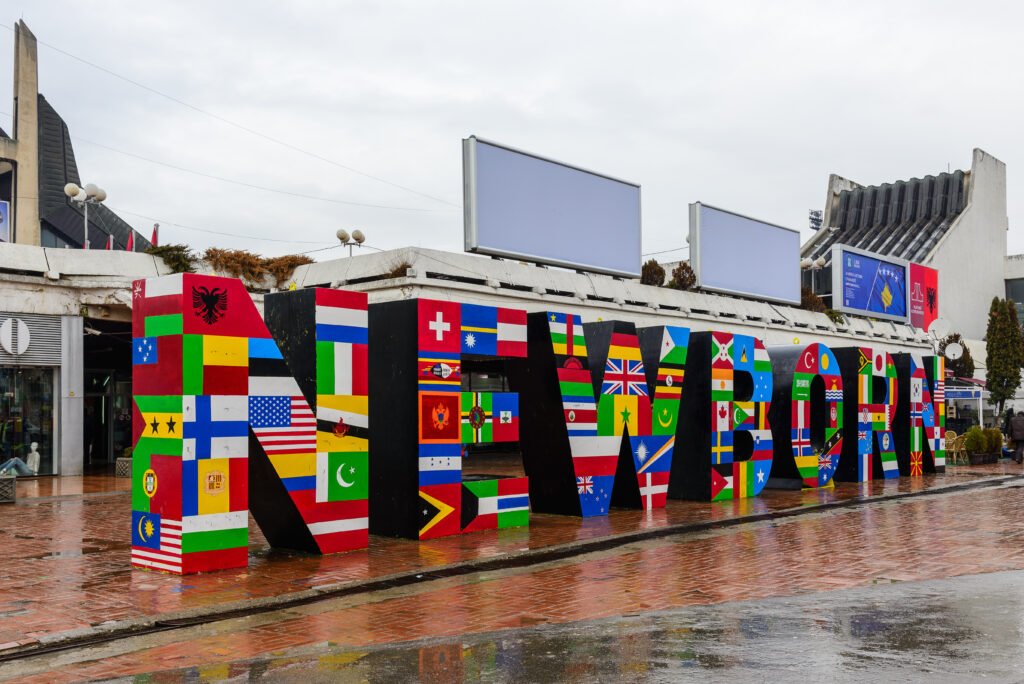
A partially recognized Balkan state that declared independence from Serbia in 2008, symbolized by the Newborn Monument in Pristina.
Kuala Lumpur is the capital and largest city of Malaysia, a fast-growing Southeast Asian metropolis best known for the twin Petronas Towers that anchor its modern skyline. Where Is Kuala Lumpur Located? Kuala Lumpur sits in west-central Peninsular Malaysia at the confluence of the Klang and Gombak rivers, a meeting point reflected in its name,
Kuala Lumpur: Geography, History, Culture and Key Facts Read More »
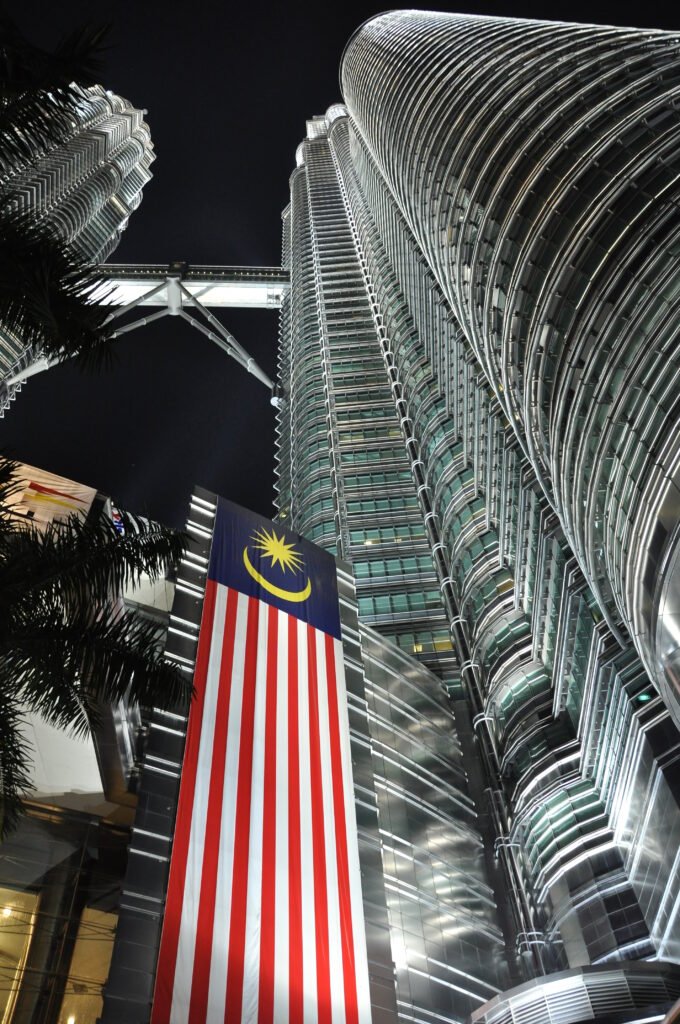
Kuala Lumpur is Malaysia's capital, a former tin-mining town known today for the Petronas Towers and its multiethnic culture.
Kuwait is a small Arab country at the northwestern tip of the Persian Gulf, bordered by Iraq to the north and northwest and Saudi Arabia to the south and southwest. It is a constitutional monarchy ruled by an emir, and it holds some of the largest proven oil reserves in the world despite covering only
Kuwait: Geography, History, Government and Key Facts Read More »
Kuwait is a small, oil-rich Arab constitutional monarchy on the northwestern Persian Gulf, bordered by Iraq and Saudi Arabia.