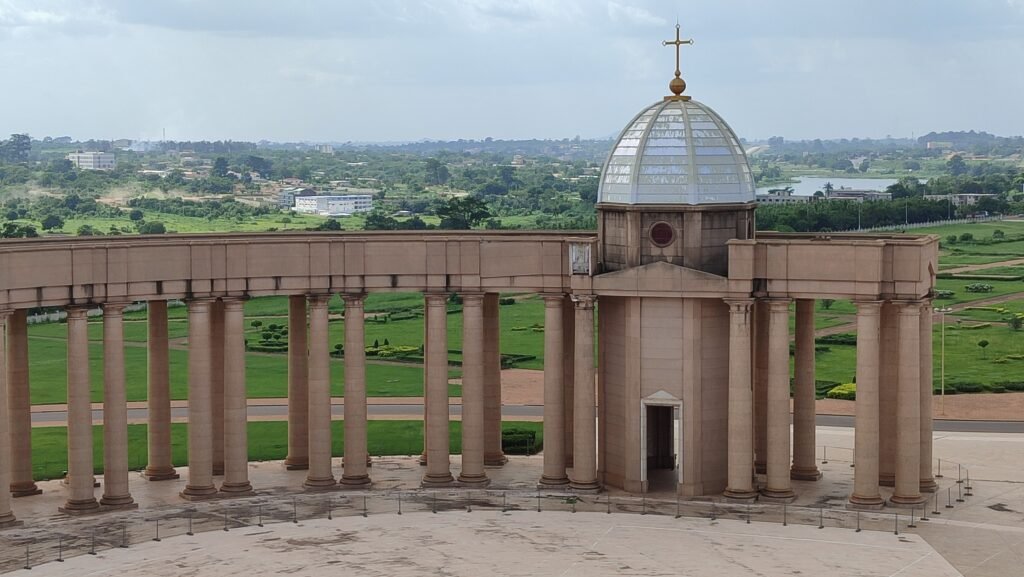
Ivory Coast, officially Cote d’Ivoire, is a country in West Africa and the world’s largest producer of cocoa, whose economy has expanded rapidly over the past decade and a half. Its administrative capital, Yamoussoukro, is home to the Basilica of Our Lady of Peace, one of the largest churches on Earth. Where Is Ivory Coast
Ivory Coast: Geography, History, Economy and Key Facts Read More »
A West African country on the Gulf of Guinea and the world's largest cocoa producer, home to the Basilica of Our Lady of Peace in Yamoussoukro.
Jaipur is the capital of the northern Indian state of Rajasthan, known as the Pink City for the terracotta-pink wash applied to its historic core, and the largest city of a region whose Mughal-era forts and palaces draw visitors from across the world. Its old city was inscribed as a UNESCO World Heritage Site in
Jaipur: Geography, History, Culture and Key Facts Read More »
Jaipur is Rajasthan's capital, India's planned "Pink City," founded in 1727 and known for Hawa Mahal and Amber Fort.
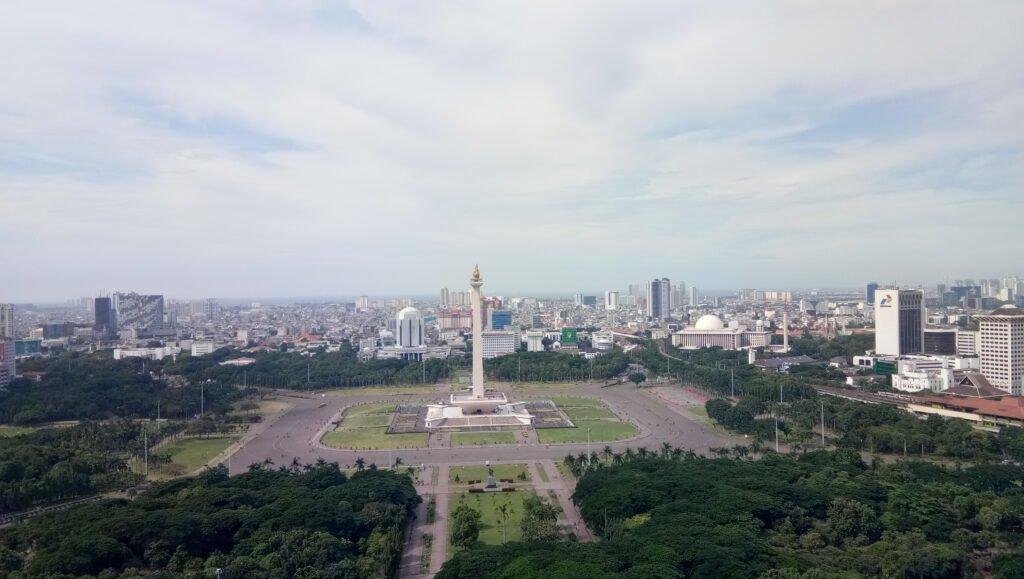
Jakarta is the former capital and largest city of Indonesia, a vast, low-lying port metropolis on the northwest coast of Java that remains the country’s economic and cultural center even as the government relocates its administrative capital elsewhere. Where Is Jakarta Located? Jakarta sits on the northwest coast of Java at the mouth of the
Jakarta: Geography, History, Culture and Key Facts Read More »
Jakarta is Indonesia's largest city and economic center, a former Dutch colonial port now losing some administrative functions to a new capital.
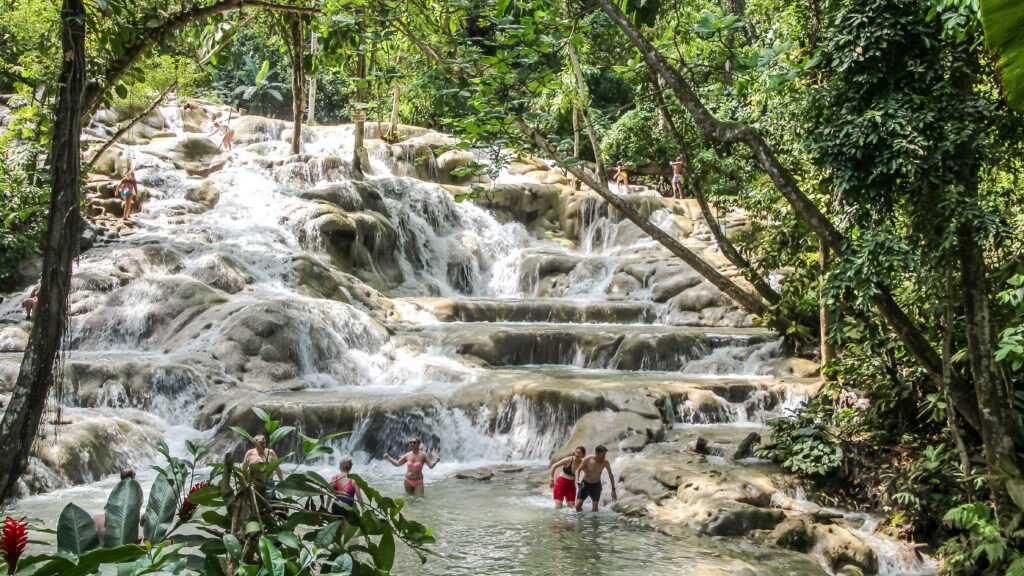
Jamaica is an island country in the Caribbean Sea, widely known as the birthplace of reggae music and for producing some of the world’s fastest sprinters. Beneath that global cultural profile is a small, highly tourism-dependent economy that remains especially exposed to hurricanes. Where Is Jamaica Located? Jamaica lies in the Caribbean Sea, about 145
Jamaica: Geography, History, Culture and Key Facts Read More »
A mountainous Caribbean island nation, the birthplace of reggae music, known for Dunn's River Falls and a tourism- and hurricane-exposed economy.
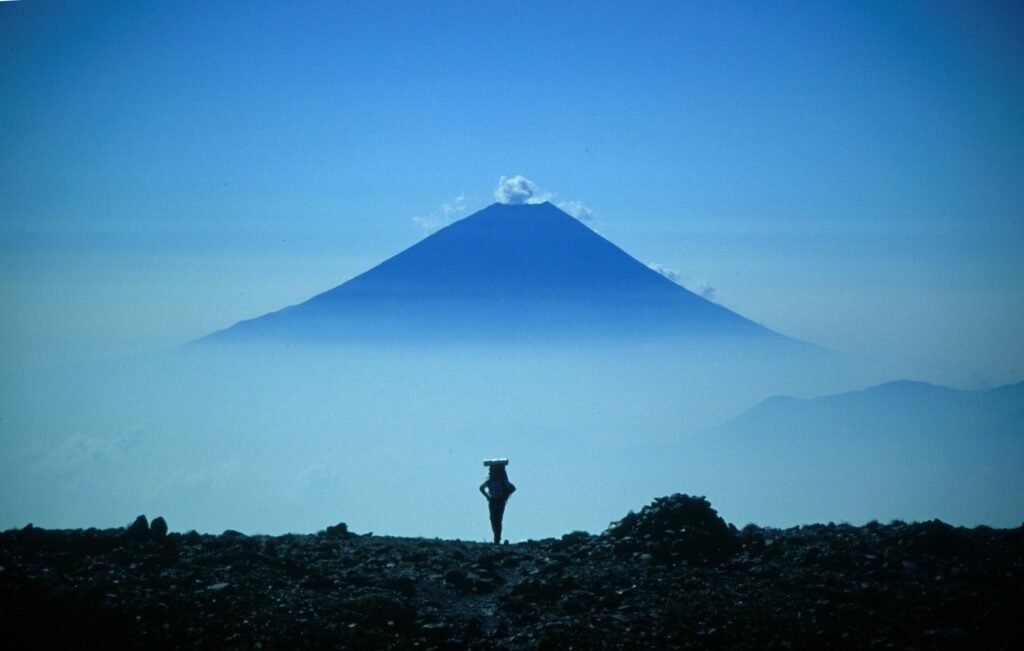
Japan is an island nation in East Asia made up of thousands of islands, best known globally for a distinctive blend of ancient tradition and advanced technology, and for Mount Fuji, its highest peak and most enduring symbol. It is one of the world’s largest and most technologically advanced economies. Where Is Japan Located? Japan
Japan: Geography, History, Culture and Key Facts Read More »
An East Asian island nation and major high-income economy known for blending ancient tradition with advanced technology, symbolized by Mount Fuji.
Jeddah is Saudi Arabia’s principal Red Sea port city and the historic gateway for Muslim pilgrims traveling to Mecca. Where Is Jeddah Located? Jeddah lies on the eastern shore of the Red Sea in western Saudi Arabia, serving as the main coastal access point for pilgrims heading inland to Mecca and Medina. A Brief History
Jeddah: Geography, History, Culture and Key Facts Read More »
Jeddah is Saudi Arabia's main Red Sea port and pilgrim gateway, home to the historic Al-Balad district and King Fahd's Fountain.
Jerusalem is an ancient city in the hills between the Mediterranean Sea and the Dead Sea, holy to Judaism, Christianity, and Islam alike, and a city whose political status remains among the most disputed questions in international affairs. Any accurate account of Jerusalem has to hold both things at once: its deep, shared religious significance,
Jerusalem: History, Religious Significance and Why Its Status Is Disputed Read More »
Jerusalem is an ancient city holy to Judaism, Christianity and Islam whose political status remains internationally disputed.
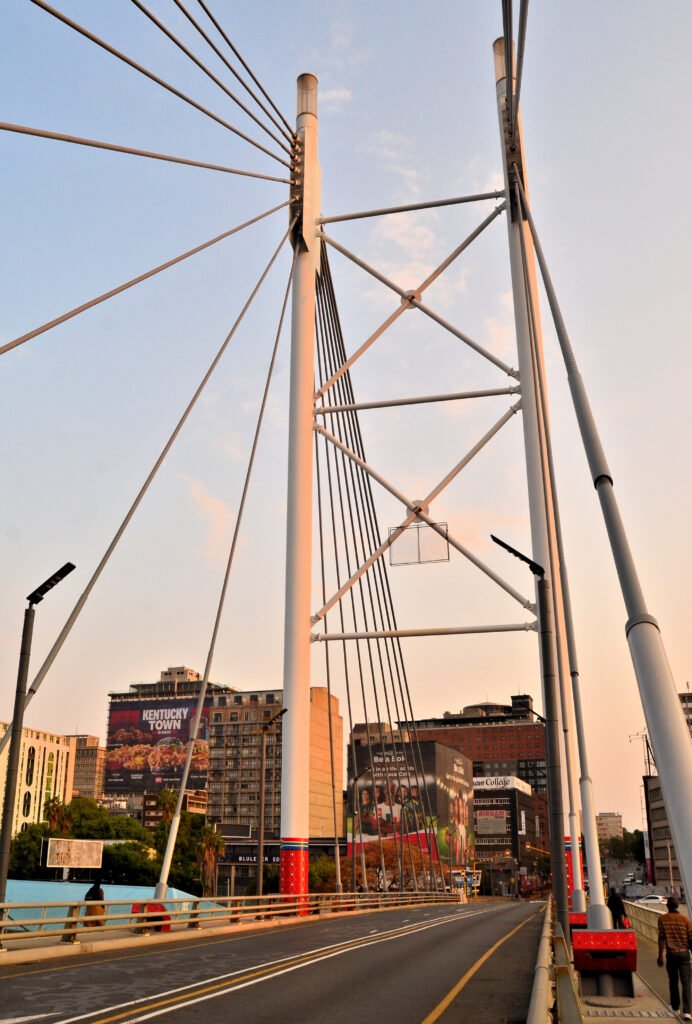
Johannesburg is South Africa's largest city and financial capital, founded in 1886 after the discovery of Witwatersrand gold.
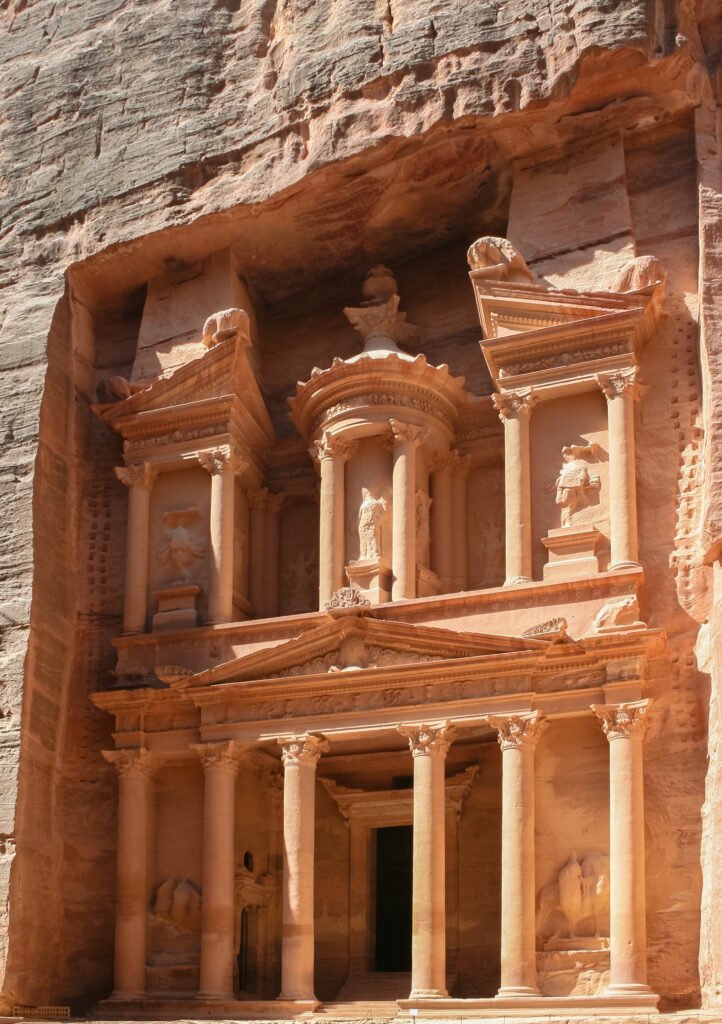
Jordan is a country in the Middle East best known for Petra, the ancient city carved into rose-colored sandstone cliffs, and for its role as one of the region’s most stable states despite scarce water, few natural resources and a large refugee population. Where Is Jordan Located? Jordan lies in Western Asia, bordered by Syria
Jordan: Geography, History, Government and Key Facts Read More »
A Middle Eastern constitutional monarchy best known for Petra, the ancient Nabataean city carved into sandstone cliffs.
Kampala is the capital and largest city of Uganda, built across a series of hills near the northern shore of Lake Victoria in south-central Uganda. Originally the royal and ceremonial heartland of the Buganda Kingdom, it became the administrative center of British colonial Uganda in the 1890s and has served as the country’s capital since
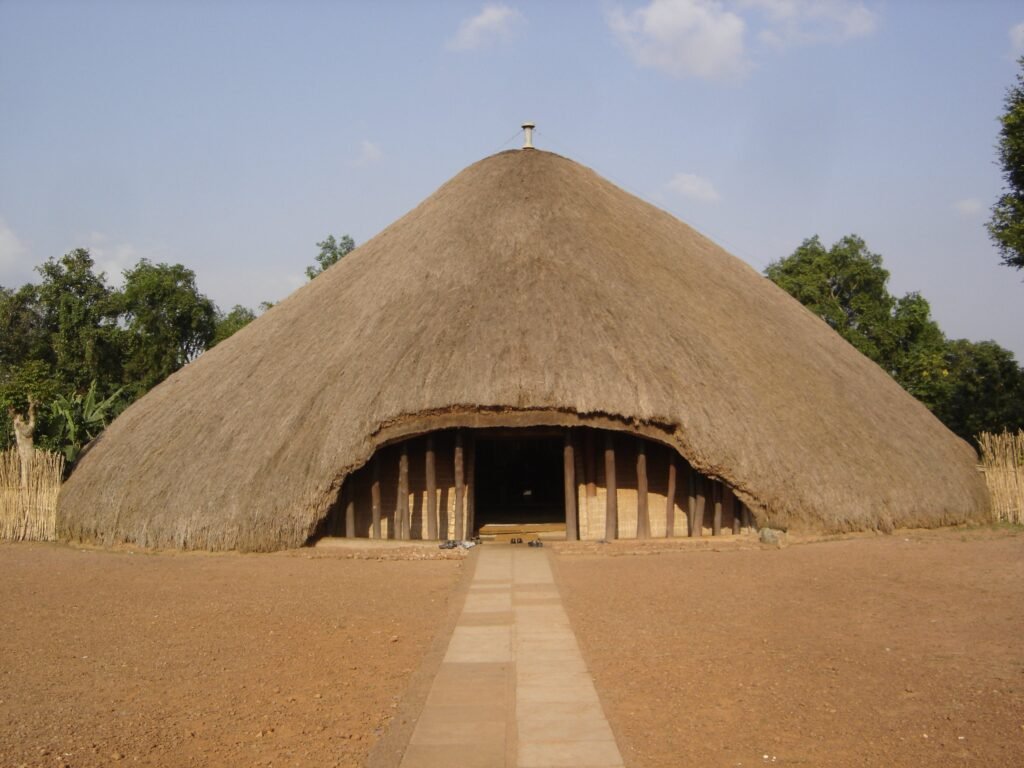
Kampala: History, the Kasubi Tombs and Key Facts About Uganda’s Capital Read More »
Kampala is Uganda's capital and largest city, built across hills near Lake Victoria and rooted in the Buganda Kingdom's royal tradition.