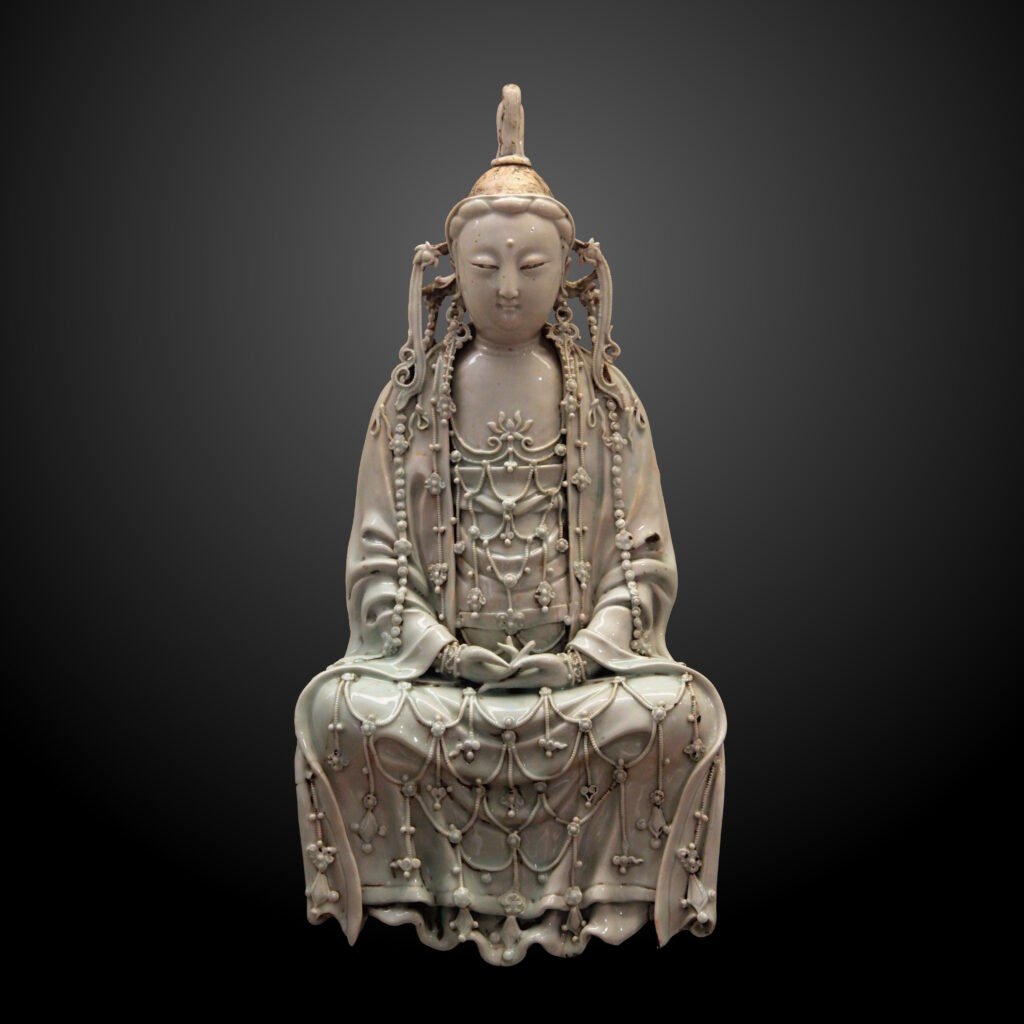
Overview
Mahayana Buddhism is one of the two major branches of Buddhism, alongside Theravada, and became the dominant form of Buddhism across China, Japan, Korea, Vietnam, and Tibet. Its name, meaning Great Vehicle, reflects its self-understanding as a spacious path capable of carrying many beings toward liberation rather than a narrower path focused on individual attainment alone.
Core Teachings
Central to Mahayana thought is the bodhisattva ideal, in which practitioners vow to work toward enlightenment not only for themselves but to help liberate all sentient beings from suffering. This emphasis on compassion alongside wisdom shapes Mahayana ethics, meditation practice, and its understanding of the Buddha nature present within all beings.
Scripture and Philosophy
Mahayana tradition produced an extensive body of additional scripture beyond the earliest Buddhist texts, including influential works such as the Lotus Sutra and the Heart Sutra, alongside philosophical schools exploring the nature of emptiness and interdependence. These texts and schools developed over centuries as Buddhism spread and adapted across diverse cultures.
Regional Development
As Mahayana Buddhism spread along trade routes into China and beyond, it developed distinct regional schools, including Pure Land Buddhism, Zen, and the Tibetan Vajrayana tradition, each emphasizing different practices while retaining the bodhisattva ideal at their core. These schools adapted Buddhist teaching to local languages, philosophies, and cultural expectations.
Role Today
Mahayana Buddhism remains the predominant form of Buddhism practiced across East Asia and has also gained significant followings internationally through schools such as Zen and Tibetan Buddhism. Its emphasis on compassion and the bodhisattva path continues to shape both monastic practice and lay religious life across millions of adherents worldwide.
Pure Land and Zen Traditions
Among the most widely practiced Mahayana schools is Pure Land Buddhism, which emphasizes devotion to the Buddha Amitabha and rebirth in a pure realm conducive to achieving enlightenment, a path considered accessible to ordinary laypeople as well as monastics. Zen Buddhism, by contrast, developed a distinctive emphasis on direct meditative insight and the student-teacher relationship, becoming especially influential in Japan and later gaining considerable interest internationally.
Philosophy of Emptiness
Mahayana philosophy developed sophisticated teachings on emptiness, the idea that phenomena lack any fixed, independent existence and instead arise through interdependent causes and conditions. This philosophical framework, associated especially with the thinker Nagarjuna, shaped Mahayana approaches to ethics, meditation, and the understanding of the Buddha nature said to be present within all beings.
Tibetan Vajrayana
Tibetan Buddhism developed as a distinctive branch of Mahayana incorporating Vajrayana, or tantric, techniques intended to accelerate the path toward enlightenment through specialized ritual, visualization, and meditation practices under close guidance from a qualified teacher. This tradition preserved an enormous body of Buddhist philosophical and ritual literature, gaining considerable international attention following the exile of many Tibetan teachers in the mid-twentieth century.
Art and Culture
Mahayana Buddhism has inspired a rich artistic tradition across East Asia, from towering Buddha statues and elaborate temple complexes to painted scrolls depicting bodhisattvas and sacred narratives. This artistic heritage reflects the tradition emphasis on making compassionate ideals vivid and accessible to ordinary practitioners through visual and devotional means.
Ethical Teachings
Mahayana ethics extend compassion outward to encompass all sentient beings, encouraging practitioners to view every encounter as an opportunity to reduce suffering and cultivate wisdom, ideals reflected in widely recited vows taken by practicing Mahayana Buddhists. This expansive ethical vision continues to inform contemporary engaged Buddhist movements addressing social and environmental concerns.
Mahayana Sutras
Beyond the Lotus and Heart Sutras, Mahayana literature includes an extensive body of texts exploring themes ranging from the nature of Buddhahood to detailed descriptions of bodhisattva practice, many of which were translated and further developed as Buddhism spread into new linguistic and cultural regions. This vast textual tradition reflects centuries of ongoing philosophical and devotional development within Mahayana communities.
Contemporary Mahayana Buddhism
Mahayana teachings continue to adapt to contemporary concerns, with engaged Buddhist movements applying bodhisattva ideals to social, environmental, and humanitarian work, extending traditional compassion practices into direct action addressing modern challenges and suffering in the wider world.
Closing Perspective
Mahayana Buddhism distinctive emphasis on universal compassion and the bodhisattva path has shaped the religious, artistic, and philosophical life of East Asia for nearly two thousand years and continues to inform Buddhist practice and thought internationally today. Its adaptability across diverse cultures and languages reflects a tradition built to meet practitioners wherever they are on their spiritual path.
Continued scholarly translation and study of Mahayana texts across multiple languages ensures that this vast body of teaching remains accessible to new generations of practitioners and researchers studying Buddhist thought worldwide.
Visitors to Mahayana temples across East Asia frequently note how the visual richness of bodhisattva imagery conveys compassion in a way words alone could not fully capture.
Taken as a whole, Mahayana teaching, scripture, and art together form one of the richest and most geographically expansive religious traditions in human history, touching the lives of hundreds of millions of people across multiple countries and cultures over two millennia. Its continued evolution across new cultural contexts today suggests the tradition capacity for adaptation remains very much alive.
Few religious traditions demonstrate such a sustained capacity to absorb new cultural influences while preserving a coherent core of teaching across so many centuries and regions.
That adaptability, paired with a consistent ethical and philosophical core, explains why Mahayana communities continue to thrive across such varied modern settings.
Its ongoing growth reflects a tradition still very much alive today.
Its growth continues worldwide each year.
Interest keeps rising steadily.
More in World Religions
Key facts
- One of the two major branches of Buddhism, alongside Theravada, dominant across East Asia including China, Japan, Korea, and Vietnam
- Centers on the ideal of the bodhisattva, who delays personal nirvana to help liberate all beings
- Produced an expansive body of additional scripture beyond the earliest Buddhist texts, including the Lotus Sutra and Heart Sutra
Related concepts
Quick checkWhat is the bodhisattva ideal and why is it central to Mahayana Buddhism?Show answer
A bodhisattva is a being who has generated the aspiration to achieve full enlightenment not only for personal liberation but to help free all sentient beings from suffering, and this ideal is central to Mahayana Buddhism because it shifts the tradition emphasis from individual liberation, which is the primary focus of early Buddhist teaching, toward a more expansive compassionate commitment to the welfare of others.
Sources
- Buddhist Studies Review
- Smithsonian Freer Gallery of Art Buddhist collections
Editorially reviewed by Specialty Digest Editorial TeamLast reviewed November 4, 2026Researched and drafted with AI assistanceReport an issue