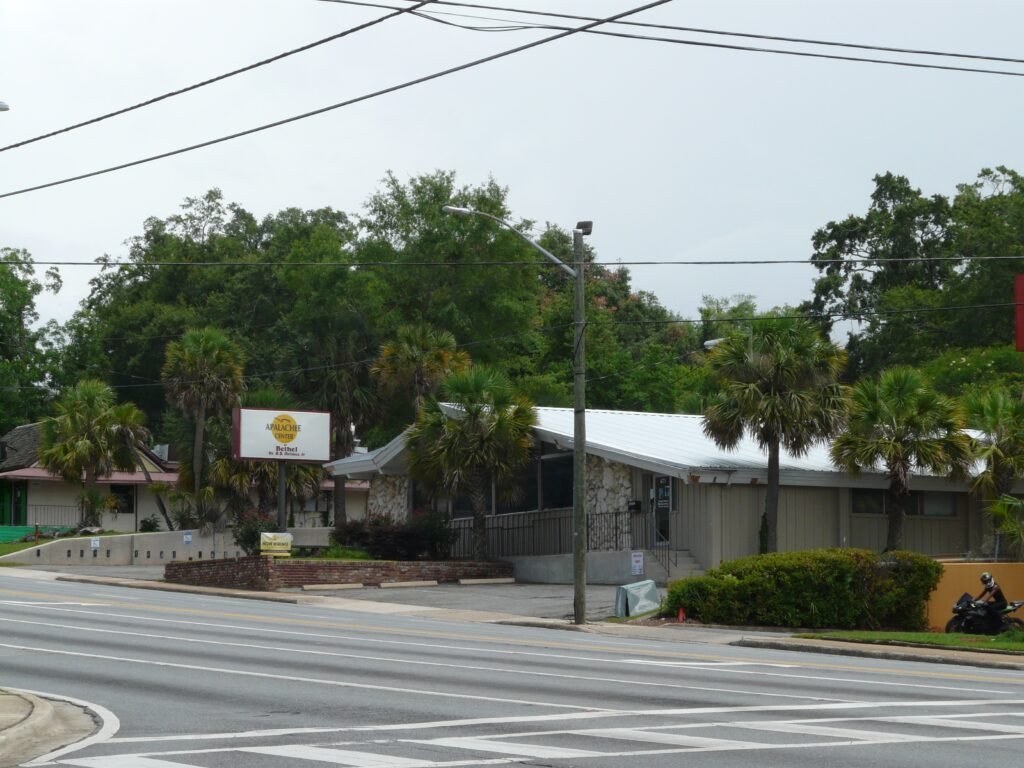
Community mental health services are mental health treatment and support programs delivered through local clinics and community-based programs, rather than large psychiatric institutions. This model grew substantially following the deinstitutionalization movement that began in the 1960s, which closed or downsized many large psychiatric hospitals in favor of community-based alternatives.
Core Service Types
Community mental health centers typically offer a range of services including outpatient therapy, medication management, case management to help clients navigate other systems, and crisis intervention services for acute situations. Many centers also provide specialized programs for specific populations, such as children, veterans, or people experiencing both mental health and substance use conditions.
Persistent Funding Gaps
Despite the policy shift toward community-based care, funding for community mental health services has chronically lagged behind documented need in most regions, a gap often cited as a factor contributing to homelessness and criminal justice involvement among people with untreated serious mental illness. Advocates continue to push for funding levels that match the scale of care that deinstitutionalization promised but has not always delivered.
Workforce Shortages
Community mental health centers nationally report significant workforce shortages, particularly for psychiatrists and other prescribing providers, driven partly by lower reimbursement rates compared to private practice and the demanding nature of serving clients with complex, often under-resourced needs. Many centers have responded by expanding the roles of licensed clinical social workers and psychiatric nurse practitioners to extend limited prescriber capacity further.
Integration With Primary Care
A growing number of community health systems have moved toward integrating mental health services directly within primary care settings, recognizing that many people are more likely to raise a mental health concern with a trusted primary care provider than to seek out a separate specialty mental health clinic on their own.
Crisis Response Innovations
Many communities have developed specialized mobile crisis response teams, often pairing a mental health clinician with a trained peer or paramedic, designed to respond to mental health emergencies without automatically involving law enforcement, reflecting growing concern that a traditional police response to a mental health crisis can sometimes escalate rather than de-escalate a situation. Early evaluations of these models have generally shown promising results for connecting people to appropriate care.
Peer Support Programs
Community mental health systems increasingly employ certified peer support specialists, people with their own lived experience of mental illness or recovery who provide support informed by that experience alongside clinically trained staff, a role that research suggests can improve engagement and outcomes particularly for clients who may distrust traditional clinical settings.
School-Based Mental Health
A growing share of community mental health services are now delivered directly within school settings, reflecting research showing that embedding services where children and adolescents already spend most of their day significantly improves access compared to requiring families to seek out a separate community clinic, particularly in communities facing transportation or scheduling barriers.
Funding Through Medicaid
Medicaid has become an increasingly central funding source for community mental health services in states that have expanded eligibility, shifting much of the systems financial foundation away from dedicated state mental health block grants and toward health insurance billing, a shift that has brought both expanded funding in many states and new administrative requirements tied to insurance billing compliance.
Telehealth Expansion
Telehealth adoption for mental health services expanded dramatically, extending reach to rural and underserved areas that previously lacked access to specialized providers, though questions remain in the field about which services work as well delivered remotely as in person, particularly for certain populations and more severe presentations.
Early Intervention Programs
Many community mental health systems have invested in early intervention programs targeting the first signs of serious mental illness, particularly in adolescents and young adults, based on research suggesting that early, intensive treatment during this critical window can meaningfully improve long-term outcomes compared to waiting until a condition has become more severe and entrenched.
Insurance Parity Enforcement
Federal mental health parity law requires insurers to cover mental health treatment comparably to physical health treatment, yet enforcement gaps persist, with many clients reporting difficulty finding in-network mental health providers despite nominal insurance coverage, a gap that has kept community mental health centers serving as an essential safety net even for people who technically have private insurance.
Despite these ongoing challenges, community mental health remains a vital and expanding part of the broader health and social service landscape in most regions.
Substance Use Co-Occurrence
A significant share of community mental health clients also experience substance use conditions, prompting many centers to integrate substance use treatment directly alongside mental health services rather than requiring clients to navigate two entirely separate systems, an integration that research generally supports as more effective than treating either condition in isolation.
Rural Mental Health Gaps
Rural communities face particularly acute shortages of community mental health providers, often requiring residents to travel long distances for in-person care, a gap that telehealth has helped narrow somewhat but has not fully closed, especially for services such as intensive outpatient treatment that are harder to deliver effectively through a screen alone.
Looking Ahead
As demand for mental health care continues rising nationally, community mental health systems remain a critical, if still underfunded, backbone of the broader behavioral health safety net.
Continued public investment, paired with the integration and workforce innovations already underway, will likely determine how much of that rising demand the system can actually meet.
Agencies that plan now for both workforce and funding constraints will be better positioned to meet whatever demand the coming years bring.
Continued attention to this balance will shape how well the system serves the next generation of people who need its support.
More in Community Development and Social Services
Key facts
- Grew substantially following the deinstitutionalization movement starting in the 1960s
- Often includes case management, crisis services, and outpatient therapy
- Chronically underfunded relative to documented need in most regions
Related concepts
Quick checkWhat historical shift led to the expansion of community mental health services in the United States?Show answer
The deinstitutionalization movement beginning in the 1960s, which moved mental health treatment away from large psychiatric institutions and toward community-based care.
Editorially reviewed by Specialty Digest Editorial TeamLast reviewed November 4, 2026Researched and drafted with AI assistanceReport an issue