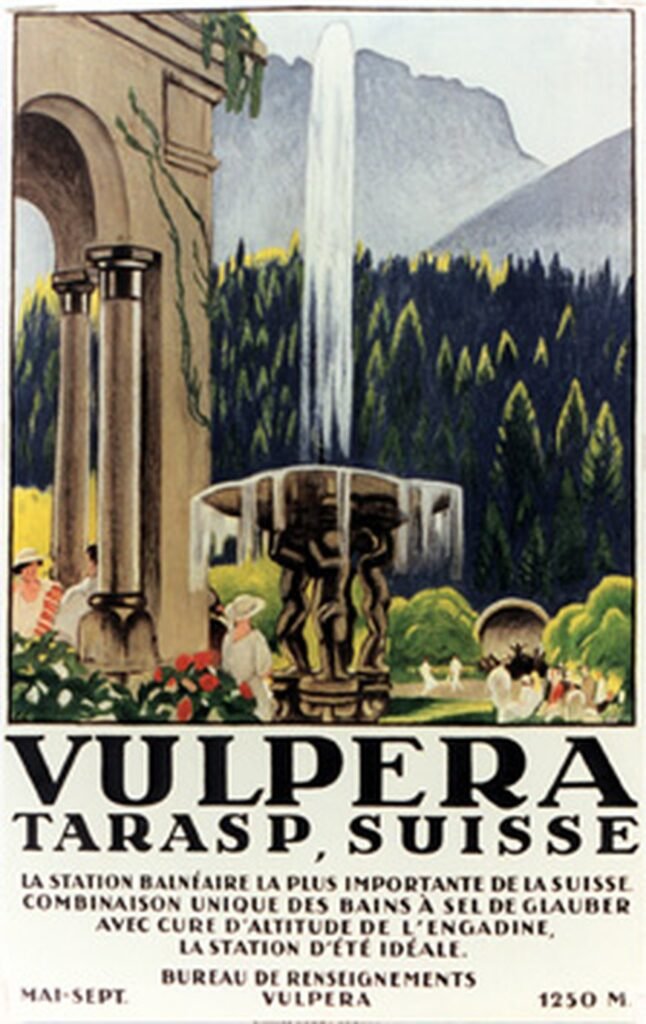
Marketing an Intangible Experience
Hospitality marketing faces a distinct challenge compared with marketing a physical product, since hospitality businesses are fundamentally selling an experience that a potential guest cannot physically inspect, sample, or try out before committing to a purchase, requiring marketers to rely heavily on imagery, descriptive content, and social proof to convey what an actual stay or visit will genuinely feel like. This intangibility has made online reviews and user-generated content, such as guest photos and video, exceptionally influential in hospitality purchase decisions, often carrying more weight with potential guests than a hospitality business own promotional content, since reviews are perceived as more authentic and trustworthy.
Modern hospitality marketing has become increasingly integrated with revenue management and digital distribution strategy, since marketing efforts directly influence demand patterns that revenue management systems must then price and allocate inventory against, and since the channels through which hospitality businesses reach customers, including their own website, third-party booking platforms, and social media, each carry different cost structures and levels of control over the guest relationship. Many hospitality organizations have prioritized building direct booking relationships through their own websites and loyalty programs specifically to reduce dependence on third-party platforms that charge significant commission fees and limit direct access to guest data and the ongoing guest relationship.
Content and Social Media Strategy
Visual and video content has become particularly central to hospitality marketing strategy, given the fundamentally experiential nature of what hospitality businesses are selling, with high-quality photography and video that authentically represents the actual guest experience generally outperforming overly polished or unrealistic promotional imagery that can create expectations a property subsequently fails to meet. Social media platforms have become especially important hospitality marketing channels precisely because they naturally showcase this kind of visual content, while also facilitating the user-generated content and guest sharing that research consistently shows carries more influence over potential guest decisions than branded promotional content alone.
Many hospitality marketers have shifted significant effort toward cultivating relationships with social media content creators and encouraging organic guest content sharing, recognizing that authentic-feeling content generated by actual guests or trusted independent creators tends to carry greater credibility than content guests recognize as produced directly by the business itself. This shift has required hospitality marketing teams to develop new skills and workflows around influencer relationship management and user-generated content curation, representing a significant evolution from the primarily broadcast-oriented advertising approaches that characterized hospitality marketing in earlier eras before the rise of social media and online review platforms.
Measuring Marketing Return on Investment
Hospitality marketers face ongoing pressure to demonstrate clear return on investment from marketing spending, tracking metrics such as website conversion rates, direct booking revenue attributable to specific campaigns, and increasingly sophisticated multi-touch attribution models that attempt to credit marketing influence across the often lengthy and multi-channel path a potential guest takes before actually booking a stay or reservation. This measurement challenge has grown more complex as guest research and booking journeys increasingly span multiple devices and platforms, making it genuinely difficult to attribute a final booking decision accurately to any single marketing touchpoint among the many a guest may have encountered throughout their research and decision process.
Many hospitality organizations have responded by investing in increasingly sophisticated marketing analytics platforms capable of tracking guest interactions across multiple channels and devices, while also recognizing that some marketing influence, particularly brand awareness and reputation building through consistent positive guest experiences and reviews, resists precise quantitative attribution even as it demonstrably shapes long-term guest acquisition and loyalty in ways that shorter-term, more easily measured marketing metrics do not fully capture.
Responding to Online Reviews
Managing online review platforms has become an essential component of hospitality marketing strategy, since potential guests routinely consult review scores and detailed review text before making booking decisions, making both the actual content of reviews and how a hospitality business publicly responds to them significant factors in shaping ongoing guest perception and booking decisions. Research indicates that thoughtful, specific, and genuinely responsive replies to both positive and negative reviews, rather than generic templated responses, meaningfully influence how potential guests reading those reviews later perceive the business responsiveness and genuine care for guest experience.
Many hospitality marketing teams have developed structured review response protocols and dedicated staff time specifically for timely, thoughtful review management, recognizing that a well-handled negative review response can partially offset the negative impression the original review created, while an unaddressed or poorly handled negative review can compound the damage considerably in the eyes of prospective guests evaluating the business based partly on how it demonstrably handles guest dissatisfaction when it does occur.
Budgeting for Hospitality Marketing
Marketing budgets in hospitality are typically built around a mix of brand-level allocations, for properties that belong to a larger chain, and property-specific spending aimed at local market conditions. A common approach allocates a percentage of projected room revenue to marketing, though the exact percentage varies by property type, with independent boutique properties often spending a higher share than established branded hotels that benefit from centralized brand marketing and loyalty program reach.
Within the budget, operators must decide how to split spending between channels such as paid search, social media advertising, metasearch bidding, email marketing, and traditional channels like print or local sponsorships, with digital channels generally receiving the largest share given their measurability. Return on advertising spend is tracked carefully for paid digital channels, since overspending on metasearch bidding in a highly competitive market can erode profitability even when it successfully drives direct bookings. Many properties also set aside a smaller reserve for opportunistic spending, allowing marketing teams to react quickly to unexpected demand shifts, such as a sudden dip in occupancy that calls for a short-term promotional push rather than waiting for the next budget cycle to respond.
More in Hospitality Operations and Management
Key facts
- Must market an intangible experience rather than a physical product
- Online reviews and user-generated content heavily influence purchase decisions
- Increasingly integrated with revenue management and digital distribution strategy
Related concepts
Quick checkWhat particular challenge does hospitality marketing face compared with marketing a physical product?Show answer
Hospitality marketing must convey the value of an intangible experience that cannot be inspected or tried before purchase, unlike a physical product that a potential customer can see or test beforehand.
Sources
- Hospitality and services marketing literature
Editorially reviewed by Specialty Digest Editorial TeamLast reviewed November 4, 2026Researched and drafted with AI assistanceReport an issue