Overview
A hotel reservations system manages the booking process, tracking room availability, rates, and guest information across all distribution channels.
Central Reservation Systems
Hotel chains often use a central reservation system that connects individual properties, allowing bookings to be made for any location through one platform.
Channel Management
Channel managers synchronize rates and availability across online travel agencies, preventing overbooking or rate discrepancies between channels.
Rate Management
Reservations systems maintain multiple rate codes simultaneously, including standard public rates, discounted corporate or group rates, and promotional rates tied to specific booking conditions such as advance purchase or non-refundable terms. Rate parity policies, which require consistent pricing for the same room type across all distribution channels, are commonly enforced through reservations system configuration to avoid confusing guests or undermining a hotel direct booking channel.
Overbooking Strategy
Many reservations systems incorporate deliberate overbooking logic based on historical no-show and cancellation rates, since a property that only accepts bookings up to full capacity will systematically run below full occupancy due to guests who do not arrive as booked. Overbooking must be managed carefully, since guests who arrive to find no room available, a situation known as a walk, create significant guest relations problems that typically require relocating the guest to another property at the original hotel expense.
Direct Booking Versus OTA Channels
Reservations systems must balance bookings coming directly through a hotel own website against those arriving through online travel agencies, which charge significant commissions but provide valuable visibility to travelers who might not otherwise find the property. Many hotels use their reservations system to offer incentives, such as member-only rates or loyalty points, specifically to encourage guests to book directly rather than through a third-party channel.
Integration with Revenue Management
Reservations systems work closely with revenue management functions, feeding real-time booking pace and pickup data that informs pricing decisions for remaining inventory. A reservations system that cannot communicate rate changes quickly across all channels risks selling rooms at outdated prices, which is why tight integration between reservations and revenue management technology has become a priority for hotel technology investment.
Group Block Reservations
Reservations systems must separately manage group block bookings, where a set number of rooms is held for an event or organization at a negotiated rate, distinct from the general inventory available to individual transient bookers. Managing the release date for unsold rooms within a group block, after which they return to general inventory, requires careful coordination to avoid either turning away individual bookers too early or losing potential group room revenue by releasing blocks too late.
Cancellation and No-Show Policy Management
Reservation systems enforce cancellation policies ranging from fully flexible to non-refundable, with system rules automatically applying penalty charges for late cancellations or no-shows according to the specific rate terms a guest selected at booking. Policy design involves a trade-off: stricter cancellation terms protect revenue certainty but can discourage some bookings, while flexible terms attract more bookings at the cost of less predictable occupancy forecasting.
Handling Special Requests and Guest Preferences
Reservations systems typically capture special requests at the time of booking, such as accessible room needs, bed type preferences, or early arrival requests, flagging this information for front office and housekeeping staff to act on before the guest arrives. Properly capturing and routing these preferences through the reservations system reduces the likelihood of a guest arriving to find their specific needs were not communicated to the staff preparing their room.
Managing Rate Transparency Across Markets
International hotel chains must configure reservations systems to handle currency conversion, tax disclosure requirements, and rate transparency regulations that differ by country, since some jurisdictions require all mandatory fees to be included in the displayed rate while others permit separate disclosure of taxes and resort fees at checkout. Getting this configuration wrong can create legal compliance issues as well as guest trust problems when a final charged rate differs unexpectedly from what was displayed during booking.
Artificial Intelligence in Reservations Handling
Some hotels have begun deploying chatbot and voice assistant technology to handle routine reservation inquiries and basic booking changes, reducing call center workload while still routing complex requests to human reservations agents, a trend expected to expand further as natural language processing technology continues to improve.
Historical Evolution of Reservations Technology
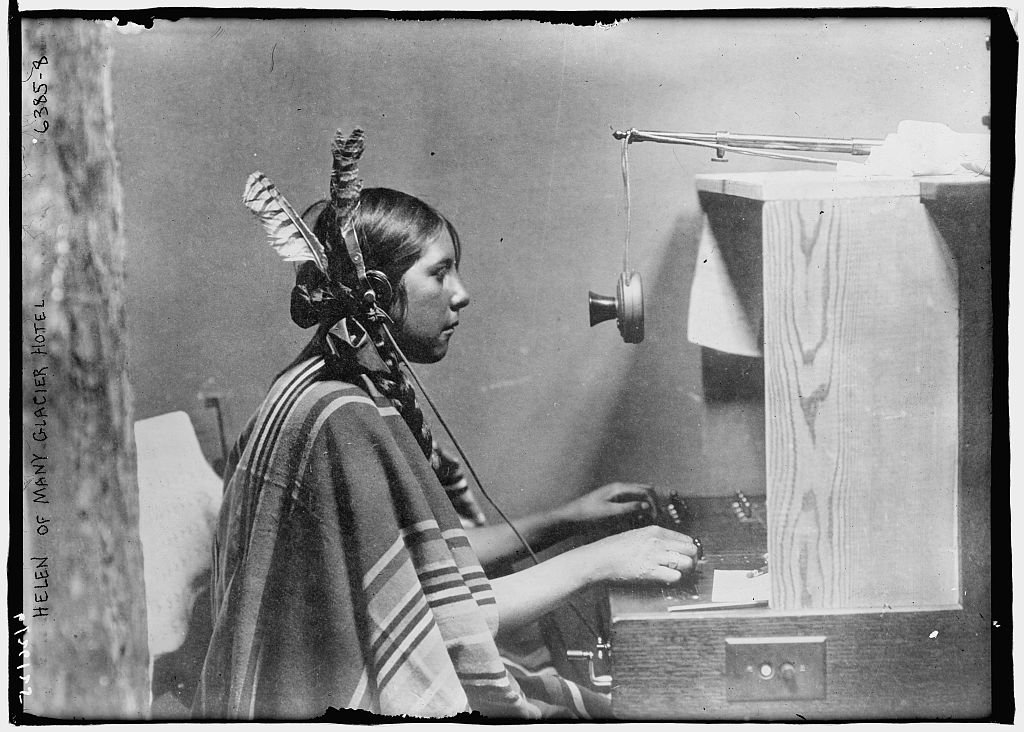
Hotel reservations were once handled entirely through telephone calls and paper booking charts, a process that limited how many bookings a property could realistically track and made real-time availability across multiple sales channels essentially impossible. The shift to computerized, and later internet-connected, reservations systems transformed the hotel industry distribution model, enabling the rise of online travel agencies and real-time rate shopping that define modern hotel booking behavior.
Impact of Metasearch on Reservations Strategy
The rise of metasearch engines that compare rates across multiple booking sites simultaneously has pushed hotels to ensure reservations system pricing stays perfectly synchronized across every channel, since even small rate discrepancies can quickly become visible to price-conscious travelers comparing options side by side.
Reservation Confirmation and Guest Communication
Modern reservations systems automatically generate confirmation emails, pre-arrival communications, and reminder messages, reducing manual staff workload while giving guests multiple touchpoints to review or modify their booking details before arrival.
These automated touchpoints also create valuable opportunities for pre-arrival upselling, such as offering room upgrades or add-on packages before the guest even reaches the property.
Hotels that neglect this pre-arrival communication window often leave meaningful incremental revenue on the table compared to competitors with more developed automated outreach programs.
As a result, reservations teams are increasingly evaluated not just on booking volume but on the incremental revenue generated through these secondary touchpoints.
More in Hotel and Lodging Management
Key facts
- Central reservation systems connect multiple properties under one brand.
- Channel managers sync availability across online travel agencies.
- Overbooking strategies are managed through reservation systems.
Related concepts
Quick checkWhat does a channel manager do in a hotel reservations system?Show answer
It synchronizes room availability and rates across multiple online travel agencies and booking channels so inventory stays consistent everywhere.
Sources
- Hospitality Technology magazine
Editorially reviewed by Specialty Digest Editorial TeamLast reviewed November 4, 2026Researched and drafted with AI assistanceReport an issue