Overview
Menu engineering applies data analysis and design principles to restaurant menus, aiming to guide guest choices toward higher-margin items while maintaining perceived value.
The Profitability and Popularity Matrix
A common analytical approach categorizes each menu item by its profitability and its sales popularity, producing four quadrants that each suggest a different strategic response, such as promoting, repricing, repositioning, or removing an item.
Layout and Psychological Pricing
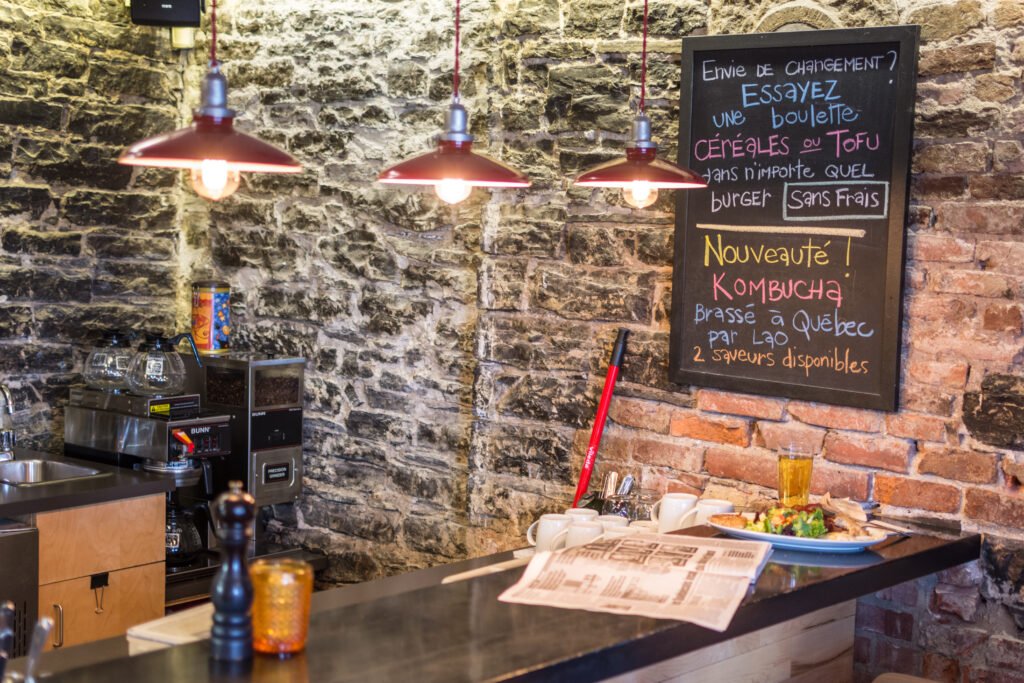
Menu designers use layout techniques such as item placement, visual emphasis, and pricing formats, including removing currency symbols, to subtly influence guest ordering behavior without appearing to manipulate choices.
Balancing Margin and Guest Satisfaction
Effective menu engineering must balance the pursuit of higher margins against maintaining guest trust and satisfaction, since menus perceived as manipulative or overpriced can damage a restaurant reputation despite short-term margin gains.
Data Collection for Engineering Decisions
Effective menu engineering depends on accurate sales data tracking, typically pulled from point-of-sale systems, to determine both item popularity and actual contribution margin after accounting for ingredient costs, since relying on intuition alone often leads to mistaken assumptions about which items are actually most profitable.
Menu Item Lifecycle Management
Menu engineers periodically review item performance and retire consistently underperforming dishes, replacing them with new items designed to test guest response, treating the menu as an evolving product line rather than a fixed, permanent document.
Seasonal and Limited-Time Offerings
Many restaurants use limited-time seasonal items as a menu engineering tool, generating renewed guest interest and marketing opportunities while also allowing operators to test new concepts without committing to permanent menu changes.
Cross-Selling and Upselling Design
Menu layout and staff training are often coordinated to encourage cross-selling of complementary items, such as suggesting a specific wine pairing or appetizer, which increases average check size without requiring any change to core menu pricing.
Psychological Pricing Techniques
Beyond removing currency symbols, menu engineers use techniques such as price anchoring, placing a very high-priced item near others to make mid-range items seem more reasonably priced by comparison, a tactic borrowed from broader retail pricing psychology research.
Digital Menu Considerations
The rise of digital ordering platforms and delivery apps has introduced new menu engineering considerations, since the visual layout and item descriptions that work on a printed menu often need significant adaptation for a small mobile screen interface.
Collaboration Between Chefs and Managers
Effective menu engineering typically requires close collaboration between culinary staff, who understand preparation feasibility and ingredient costs, and management staff, who understand sales data and guest behavior patterns, since decisions made purely from either perspective alone often overlook important practical constraints.
Testing New Menu Items
Many restaurants introduce new items as limited-time specials before committing to permanent menu placement, using this trial period to gather real sales data and kitchen feedback that can meaningfully inform the final engineering decision about where, or whether, to place the item on the permanent menu.
International Variation in Menu Engineering Practice
Menu engineering techniques developed primarily in North American restaurant research have been adapted with local variation across different international markets, reflecting differing guest expectations, cultural attitudes toward pricing psychology, and regulatory restrictions on pricing display in various countries.
Menu Engineering for Different Service Formats
Menu engineering principles apply differently across service formats, with quick-service restaurants emphasizing speed and simplicity in item selection while fine dining establishments can rely more heavily on narrative description and staff recommendation to guide guest choices.
Future Directions With Data Analytics
Advances in restaurant data analytics are enabling increasingly sophisticated menu engineering approaches, including personalized recommendations based on individual guest order history, moving the discipline toward methods more commonly associated with retail and e-commerce personalization.
Common Mistakes in Menu Engineering
Common menu engineering mistakes include overcrowding a menu with too many options, which can overwhelm guests and slow ordering decisions, and pricing decisions based purely on desired margin without adequately considering guest price perception and competitive positioning in the local market.
Menu Engineering for Dietary Accommodation
As dietary restriction awareness has grown, menu engineers increasingly design menus that clearly indicate vegetarian, vegan, gluten-free, and allergen information directly within the menu layout, treating accessibility for restricted diets as integral to overall menu design rather than a separate afterthought.
Measuring Long-Term Engineering Success
Beyond immediate sales data, effective menu engineering programs track longer-term indicators such as repeat visit rates and average guest satisfaction scores, recognizing that short-term margin gains achieved through manipulative tactics can undermine guest loyalty over a longer time horizon.
Role of Competitor Analysis
Menu engineers often study competitor menus and pricing within their local market, not to copy directly but to understand prevailing guest price expectations and identify genuine differentiation opportunities within their specific competitive landscape.
This ongoing evolution suggests menu engineering will continue blending traditional hospitality judgment with increasingly data-driven analytical techniques going forward.
Role of Guest Feedback in Ongoing Refinement
Direct guest feedback, gathered through surveys or informal server observation, provides a valuable complement to pure sales data, helping menu engineers understand not just what sells but why certain items resonate or fall flat with the intended audience.
Operators who treat guest feedback as a genuine input rather than a formality tend to make more durable, well-received menu decisions over successive revision cycles.
Restaurants that build this feedback loop into their regular review cycle tend to see steadier, more sustainable profitability gains than those chasing short-term tactics alone.
The discipline continues to mature as more operators recognize its measurable impact on overall restaurant profitability and guest satisfaction alike.
Looking forward, menus will likely continue evolving into dynamic, data-informed tools rather than static printed documents revised only once or twice a year.
More in Food and Beverage Service Management
Key facts
- Array
Related concepts
Quick checkWhat are the two main dimensions typically used to categorize menu items in menu engineering?Show answer
Profitability (contribution margin) and popularity (sales volume), which together place each item into a matrix used to decide pricing, placement, or removal.
Sources
- Array
Editorially reviewed by Specialty Digest Editorial TeamLast reviewed November 4, 2026Researched and drafted with AI assistanceReport an issue