Overview
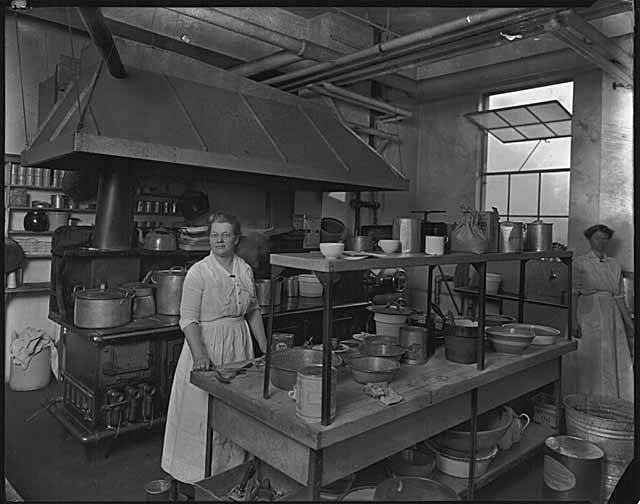
The kitchen brigade system organizes professional kitchen staff into a hierarchical structure with specialized roles, improving coordination and efficiency during high-volume food production.
Historical Origins
The system was formalized by French chef Auguste Escoffier in the late nineteenth and early twentieth centuries, adapting earlier kitchen organization methods to better suit the demands of large hotel and restaurant kitchens of that era.
Station Structure
Traditional brigade stations are organized around specific cooking techniques or dish categories, such as sauces, grilling, or pastry, with each station headed by a chef responsible for that specific area of production.
Modern Adaptations
Smaller contemporary restaurants frequently use simplified versions of the full brigade system, combining multiple traditional roles into fewer positions while retaining the underlying principle of clear role specialization and accountability.
Role of the Executive Chef
At the top of the traditional brigade hierarchy, the executive chef holds overall responsibility for kitchen operations, menu development, and staff management, functioning as both a culinary leader and an operational manager within the broader restaurant organization.
Specialized Station Roles
Beyond the most common stations, larger traditional brigades include highly specialized roles such as a dedicated pastry chef or a butcher responsible solely for meat preparation, reflecting the scale of production needed in grand hotel kitchens where the system originated.
Communication Protocols Within the Brigade
The brigade system relies on clear communication protocols, including standardized calling of orders between stations, that allow a large kitchen to coordinate complex, simultaneous dish preparation without constant direct supervision of every individual task.
Influence Beyond Traditional French Kitchens
While originating in French fine dining, brigade-inspired organizational principles have influenced kitchen structure across many culinary traditions and restaurant types worldwide, even where the specific French station names are not used.
Brigade System in Culinary Education
Culinary schools commonly teach the brigade system as a foundational concept, using it to introduce students to professional kitchen organization and terminology even though many graduates will work in kitchens using significantly simplified structures.
Challenges of Rigid Hierarchy
Some modern kitchens have moved away from strict brigade hierarchy in favor of more collaborative team structures, arguing that rigid hierarchy can sometimes slow communication or discourage junior staff from raising concerns about food safety or quality issues.
Role of the Sous Chef
The sous chef serves as second in command within the traditional brigade, directly supervising station chefs and stepping in to run daily kitchen operations when the executive chef is occupied with administrative duties or menu development work elsewhere.
Adapting the Brigade to Different Cuisines
Kitchens specializing in non-French culinary traditions often adapt brigade principles while using station names and divisions specific to their own cuisine, demonstrating that the underlying organizational logic has proven more durable and widely applicable than the original French terminology itself.
Garde Manger and Cold Kitchen Roles
The garde manger station traditionally handles cold food preparation including salads, charcuterie, and cold appetizers, representing a specialized skill set distinct from the hot-line cooking roles that dominate most kitchen staffing discussions.
Brigade Influence on Culinary Career Pathways
The brigade system traditional progression from entry-level stations to executive chef has historically shaped expected culinary career pathways, though increasingly flexible modern kitchen structures have created more varied routes to leadership positions than the strict hierarchical ladder once implied.
Scaling the Brigade for Catering and Events
Kitchens handling large catering or banquet volume often temporarily scale up brigade staffing for specific events, drawing on additional station chefs and prep cooks beyond the restaurant normal daily staffing level.
Role of Prep Cooks Within the Brigade
Prep cooks occupy an entry-level position within the brigade system, handling ingredient preparation tasks that support station chefs during actual service, providing a common starting point for culinary career progression toward more specialized station roles.
Brigade System and Kitchen Safety Culture
Clear hierarchical accountability within the brigade system can support stronger food safety culture by establishing unambiguous responsibility for specific preparation areas, though this benefit depends heavily on how effectively communication flows both up and down the hierarchy.
Brigade Terminology Across Different Markets
While core brigade terminology originated in French, English-speaking kitchens often use anglicized or simplified versions of traditional station names, reflecting gradual linguistic adaptation of the system as it spread internationally beyond its original French-speaking context.
Brigade System Documentation in Professional Standards
Professional culinary certification bodies often reference brigade system concepts when defining structured career competency frameworks, reinforcing its continued relevance as an organizing concept even within modernized kitchen management approaches.
This enduring relevance reflects the brigade system fundamental logic of clear specialization and accountability, which continues to resonate even as its specific implementation evolves.
Brigade Principles in Non-Restaurant Food Operations
Institutional food service operations such as hospitals or large catering companies often borrow brigade-inspired organizational principles even when operating at a scale or format quite different from the fine dining kitchens where the system originated.
This cross-sector influence underscores how foundational the brigade organizational logic has become well beyond its original fine dining context.
Understanding this history helps explain why brigade terminology and structure remain a standard part of professional culinary vocabulary even today.
Culinary professionals trained within this framework often carry its underlying principles forward even into kitchens that no longer use the traditional brigade terminology itself.
The system enduring influence demonstrates how a well-designed organizational structure can outlast the specific technological and cultural context in which it first emerged.
Few organizational frameworks in any industry have proven as durable across such varied contexts as the kitchen brigade system has within professional cooking.
Its combination of clarity, accountability, and specialization continues to offer practical value even to kitchens that have never formally adopted its traditional French structure.
More in Food and Beverage Service Management
Key facts
- The system was formalized by French chef Auguste Escoffier.
- Stations are typically organized around specific cooking techniques or dish types.
- Smaller restaurants often use simplified versions of the full brigade.
Related concepts
Quick checkWho is credited with formalizing the modern kitchen brigade system?Show answer
French chef Auguste Escoffier, who adapted and popularized the structured kitchen hierarchy in the late nineteenth and early twentieth centuries to improve efficiency in large professional kitchens.
Sources
- Culinary Institute of America
Editorially reviewed by Specialty Digest Editorial TeamLast reviewed November 4, 2026Researched and drafted with AI assistanceReport an issue