Scope of Exotic Pet Care
Exotic pet care encompasses the husbandry and veterinary management of species outside the traditional cat-and-dog category, including reptiles, birds, small mammals such as rabbits and guinea pigs, amphibians, and sometimes invertebrates. Each group carries distinct physiological needs shaped by evolutionary adaptations often very different from mammalian norms. Successful exotic pet ownership typically demands more specialized knowledge than conventional pet keeping, since generic care advice developed for dogs and cats rarely transfers safely to these species.
Environmental and Habitat Requirements
Many exotic species require carefully controlled environmental conditions that mimic their natural habitat. Reptiles and amphibians, being ectothermic, depend on external heat sources and temperature gradients within an enclosure to regulate body temperature and support digestion and immune function. Humidity control is similarly critical for many amphibians and tropical reptile species, where insufficient moisture can cause shedding problems or respiratory illness. Enclosure size, substrate type, and environmental enrichment all influence welfare outcomes substantially more than they do for typical household pets.
Nutritional Considerations
Exotic species nutrition varies enormously by taxonomic group and natural diet. Herbivorous reptiles require specific calcium-to-phosphorus ratios to prevent metabolic bone disease, a debilitating condition caused by inadequate calcium absorption. Birds have historically suffered from poor nutritional understanding when fed seed-only diets lacking balanced vitamins and minerals, leading modern avian veterinary guidance toward formulated pelleted diets supplemented with fresh produce. Small mammals such as rabbits require continuous access to high-fiber hay to support proper gut motility and dental wear.
Veterinary Care Challenges
Exotic animal veterinary medicine requires specialized training beyond standard small-animal practice, since anatomy, physiology, and disease presentation differ substantially across taxonomic groups. Many exotic species also mask illness effectively as a survival adaptation against predators, meaning observable symptoms often appear only once disease has progressed significantly. Finding veterinarians with genuine exotic animal expertise can be more difficult than finding general small-animal practitioners, making research into local specialist availability an important part of responsible exotic pet ownership.
Legal and Ethical Considerations
Exotic pet ownership is subject to varying regulations depending on jurisdiction and species, with some animals restricted or banned due to invasive-species risk, conservation status, or public safety concerns. Ethical considerations also include whether a given species can have its complex behavioral and environmental needs adequately met in a captive household setting at all, a question that has grown more prominent as understanding of animal cognition and welfare has advanced across taxonomic groups once considered simple to keep.
Birds as Exotic Companions
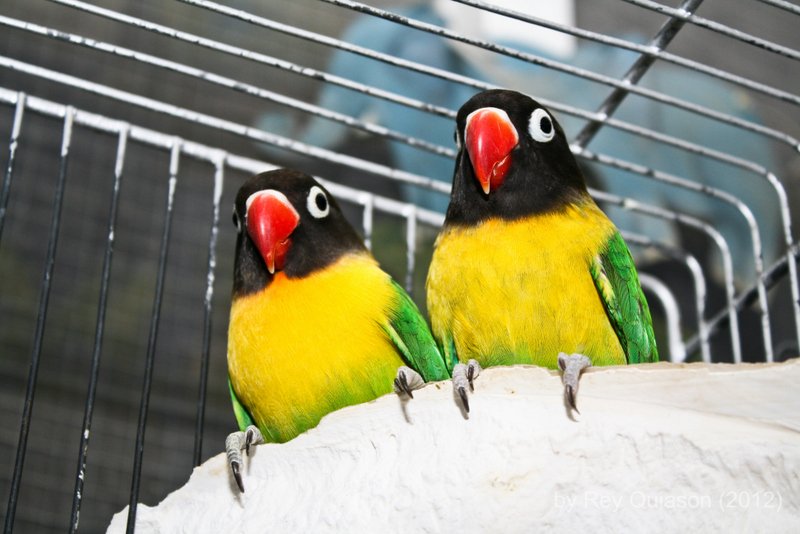
Companion birds, ranging from small finches and budgerigars to large parrots, present unique care challenges related to their intelligence, longevity, and specific social needs. Many parrot species are highly social in the wild and can develop behavioral problems such as feather plucking or excessive screaming when kept in understimulating environments. Large parrot species can live for many decades, meaning a bird acquired by a young adult may outlive that owner, a longevity consideration rarely faced with more traditional pets and one that responsible prospective owners are encouraged to plan for in advance.
Small Mammal Husbandry
Small mammals including rabbits, guinea pigs, hamsters, and rats each carry distinct husbandry requirements despite superficial similarity in size. Rabbits and guinea pigs are hindgut fermenters requiring continuous access to high-fiber hay for proper digestive function, and unlike many rodents, guinea pigs cannot synthesize their own vitamin C and require dietary supplementation. Social needs also vary considerably; guinea pigs generally thrive with companions of their own species, while some hamster species are solitary and can show serious aggression if housed together, making species-specific research essential before acquiring any small mammal.
Quarantine and Zoonotic Disease Considerations
Exotic pet owners should be aware of zoonotic disease risks, meaning diseases transmissible between animals and humans, which vary by species. Reptiles can carry Salmonella without showing illness themselves, making hand hygiene after handling essential, particularly in households with young children or immunocompromised individuals. Newly acquired exotic animals are often recommended to undergo a quarantine period separate from existing pets, allowing observation for signs of illness before integration, reducing the risk of introducing disease to an established collection or household.
Enclosure and Habitat Design
Proper enclosure design extends beyond simple containment to replicating key features of a species’ natural habitat, including appropriate climbing structures for arboreal reptiles, swimming space for aquatic turtles, and burrowing substrate for species that naturally dig. Inadequate enclosure design is among the most common preventable welfare problems in exotic pet keeping, often stemming from well-intentioned but under-researched setup rather than neglect, underscoring the importance of species-specific research before acquisition.
Record-keeping, including tracking feeding schedules, weight, shedding or molting cycles, and any observed behavioral or physical changes, supports earlier detection of subtle health problems in exotic species whose illness symptoms can otherwise be easy to overlook. Many experienced exotic pet keepers maintain detailed husbandry logs for this reason, particularly for long-lived species where gradual changes across months or years might otherwise escape notice without a written comparison point.
Prospective exotic pet owners are generally encouraged to research a species’ full adult size, lifespan, and specific care complexity thoroughly before acquisition, since impulse purchases based on an appealing juvenile appearance frequently lead to under-prepared ownership situations that compromise welfare once the animal matures into its full adult needs and behaviors.
With appropriate research, resources, and ongoing veterinary partnership, exotic pet keeping can be a deeply rewarding pursuit that broadens appreciation for the diversity of animal life.
That diversity rewards patient, well-informed stewardship over time.
Patience pays off.
More in Companion Animal Care and Behavior
Key facts
- Exotic pets often have highly specific environmental requirements, including temperature and humidity gradients.
- Reptiles and amphibians are ectothermic, relying entirely on environmental heat sources to regulate body temperature.
- Metabolic bone disease is a common nutritional disorder in captive reptiles lacking adequate calcium and UVB exposure.
- Avian veterinary medicine requires specialized training distinct from general small-animal practice.
Related concepts
Quick checkWhy is ultraviolet-B lighting considered essential for many captive reptiles?Show answer
UVB exposure allows reptiles to synthesize vitamin D3 in their skin, which is necessary for proper calcium absorption and metabolism; without it, many species develop metabolic bone disease even on an otherwise calcium-adequate diet.
Sources
- Association of Exotic Mammal Veterinarians, husbandry guidelines
- Journal of Herpetological Medicine and Surgery
Editorially reviewed by Specialty Digest Editorial TeamLast reviewed November 4, 2026Researched and drafted with AI assistanceReport an issue