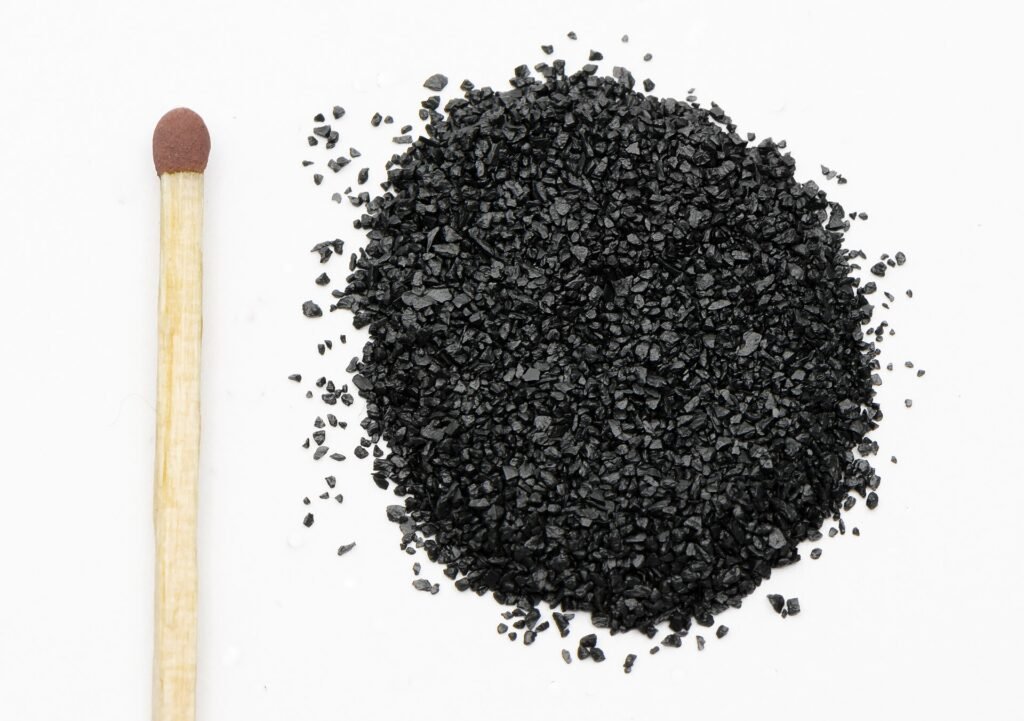
Gunpowder, also called black powder, is a mixture of saltpeter (potassium nitrate), sulfur and charcoal that burns very quickly and can drive projectiles from a barrel. Chinese alchemists developed it before the 11th century, and its use in weapons spread across Asia and into Europe in the 13th and 14th centuries.
History of gunpowder
Gunpowder began as a by-product of alchemy. According to Archaeology magazine, alchemists searching for new medicines found that combining nitrates such as saltpeter with sulfur and charcoal produced a chemical explosive. The Chinese word for gunpowder means fire medicine.
The risks were learned the hard way. A Taoist text from the mid-800s warns that heating sulfur, realgar, saltpeter and honey together caused smoke and flames so fierce that the experimenters’ hands and faces were burned and even the house burned down.
Under the Song dynasty (960 to 1279) officials used the compound for fire arrows and, in time, bombs. By about 1150 Song soldiers were using fire lances, tubes of bamboo or wood that worked much like flamethrowers. Historians also point to a Song military compendium of 1044 as the source of the earliest surviving gunpowder formulas.
Two early metal cannons found in Gansu Province, in the territory of the Western Xia, may date to the early 13th century, and one still held an iron ball and some gunpowder in its barrel. The Mongols overwhelmed the Western Xia by 1227 and adopted gunpowder warfare, and guns spread across Asia in the wake of their conquests. They reached Europe by 1326, the year of the first known European illustration of a cannon, in a Latin treatise on the proper behavior of kings.
Who invented gunpowder?
No named person invented gunpowder. It emerged from the work of Chinese alchemists over generations, and the word invented hides how gradual and accidental the process was.
European accounts of its origin tell a different story. The English friar Roger Bacon described a mixture of saltpeter, sulfur and charcoal in the 1260s, and later tradition credited a German monk called Berthold Schwarz, but historians regard that figure as legendary.
How gunpowder works
Each ingredient has a job. Saltpeter is the oxidizer, meaning it releases oxygen when heated, so the mixture can burn without outside air. Charcoal is the fuel, and sulfur makes the mixture easier to ignite and helps it burn faster.
When lit, the powder burns in a fraction of a second and produces a large volume of hot gas along with a cloud of fine solid smoke. In a confined space that gas builds pressure, which is what pushes a projectile along a barrel. Black powder is a low explosive: it burns rapidly rather than detonating as a high explosive does.
Makers learned that pressing the powder into grains, called corning, helps it burn more evenly. Early Chinese formulas varied widely in how much saltpeter they contained, and mixtures with more of it burned more fiercely. Black powder can be set off by sparks, friction and heat, so its manufacture and storage are strictly regulated in most countries. This article is general background, not instructions.
Gunpowder vs. later explosives
Gunpowder is a low explosive, so it burns at a speed that pushes a projectile along rather than shattering the barrel. Dynamite and modern high explosives detonate far faster and with much greater force, and they are made from different compounds.
Smokeless powders also differ in chemistry. Gunpowder is a physical mixture of three solids, while smokeless powders are based on a single chemical, nitrocellulose, that has been treated to burn in a controlled way.
Types of gunpowder
Black powder is made in grades of different grain size, from fine powders for small arms to coarse ones for large guns and blasting. Fireworks use related mixtures with added compounds that produce color and sound.
In the late 19th century, smokeless powders based on nitrocellulose largely replaced black powder in modern firearms. They produce much less smoke and more energy by weight.
Impact of gunpowder
Gunpowder changed warfare, from fire arrows and bombs to guns and cannons that could batter fortifications. One account suggests that Europe’s constant conflicts pushed its states to refine the technology quickly, while China’s more settled position meant less pressure to keep innovating.
Outside warfare, it was used for blasting rock in mines and construction, and it powered early rockets, which led toward the modern rocket engine. Gunpowder weapons also influenced how rulers planned campaigns, which connects to military strategy more broadly.
The historian Tonio Andrade of Emory University notes that people often assume Europeans were the first to see the military value of gunpowder, but the Chinese understood its potential very early. He suggests that clashes between the Song and neighboring states such as the Liao, Jin and Western Xia spurred rapid innovation.
Uses of gunpowder today
Black powder survives in fireworks, signal flares, safety fuses, ceremonial salutes and muzzleloading firearms used by hunters and historical reenactors. Most modern ammunition and blasting work relies on other compounds.
Its role in Chinese history is also remembered culturally, as one of the Four Great Inventions of ancient China along with paper, printing and the compass.
FAQs about gunpowder
Is gunpowder the same as black powder? Yes. Black powder is the modern name for the traditional mixture, to separate it from smokeless powders that are also used in guns.
What does fire medicine mean? It is what the Chinese word for gunpowder means, and it recalls that alchemists were looking for medicines when they found it.
What are the Four Great Inventions? They are paper, printing, gunpowder and the compass, which are often named together as ancient Chinese contributions to the world.
More in Chemistry
Key facts
- Alchemists seeking medicines found that saltpeter, sulfur and charcoal made an explosive; the Chinese word for gunpowder means fire medicine.1
- Song soldiers used fire lances by about 1150.1
- The Mongols overwhelmed the Western Xia by 1227 and guns spread across Asia.1
- The first known European illustration of a cannon dates to 1326.1
- A Taoist text of the mid-800s warns that a sulfur, realgar, saltpeter and honey mixture caused severe burns and fire.2
Related concepts
In the news
Quick checkWho invented gunpowder?Show answer
No named person did. Chinese alchemists developed it over generations before the 11th century while searching for medicines, and the legend of a German inventor, Berthold Schwarz, is regarded as unreliable.
Sources
- Archaeology magazine (Archaeological Institute of America), Fire Lances and Cannons, https://www.archaeology.org/issues/378-2005/features/8599-fire-lances-cannons
- Clemson University Open Textbooks, Gunpowder in Medieval China (Science, Technology and Society: A Student Led Exploration), https://opentextbooks.clemson.edu/sciencetechnologyandsociety/?p=735
Editorially reviewed by Specialty Digest Editorial TeamLast reviewed November 4, 2026Researched and drafted with AI assistanceReport an issue