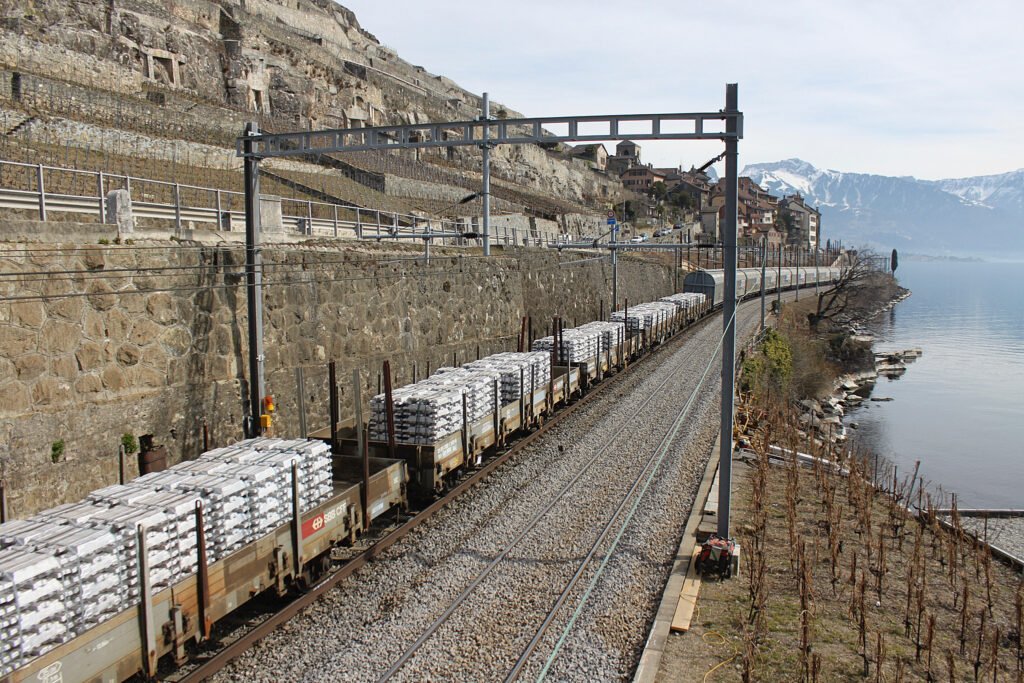
Aluminum is the chemical element with atomic number 13 and the symbol Al. It is a soft, silvery-white, lightweight metal in group 13 of the periodic table, and it is the most abundant metal in the Earth’s crust. The International Union of Pure and Applied Chemistry (IUPAC) spells the name aluminium, which is also the
Aluminum Read More »
A soft, silvery-white, lightweight metal with atomic number 13 that is the most abundant metal in the Earth's crust.
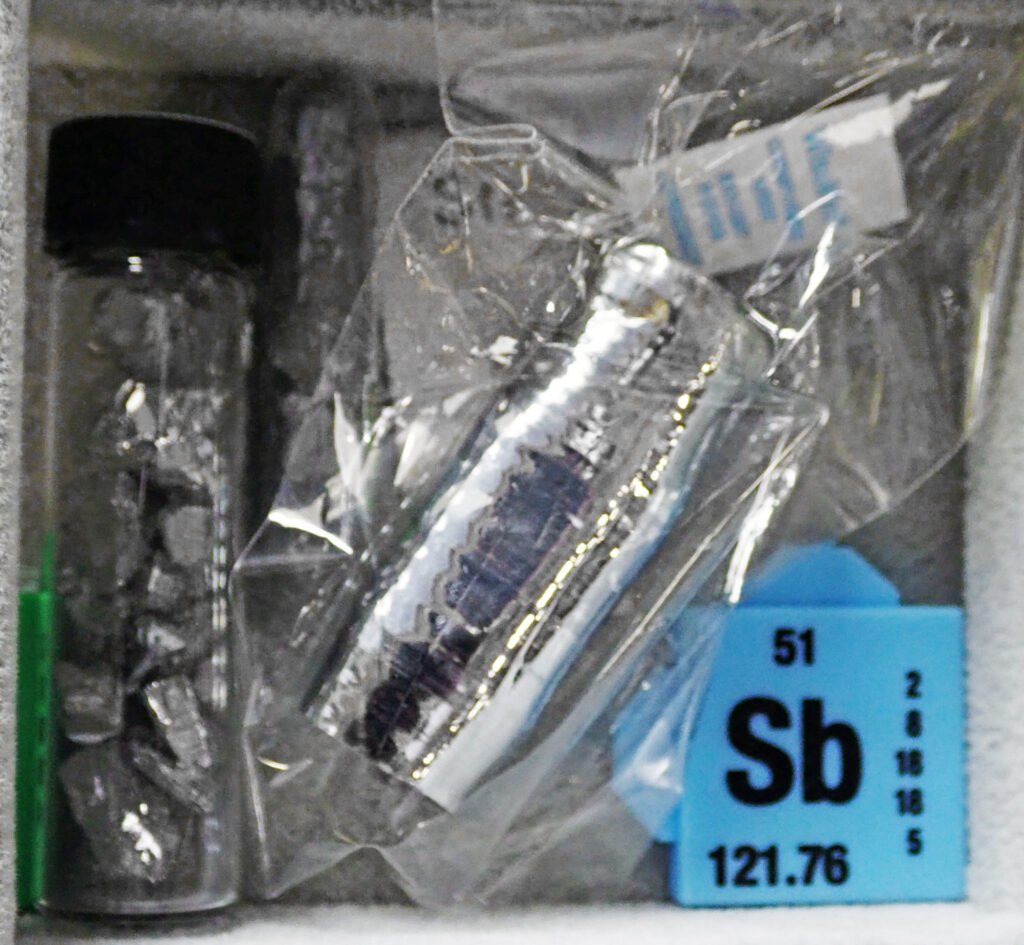
Antimony is the chemical element with atomic number 51 and the symbol Sb. It is a silvery, hard and brittle metalloid in group 15 of the periodic table. Antimony has been used since antiquity in cosmetics and pigments, and today it is alloyed with lead and added to flame-retardant materials. History of antimony Antimony has
Antimony Read More »
A silvery, brittle metalloid with atomic number 51 that has been used since antiquity and is alloyed with lead and added to flame retardants.
Argon is the chemical element with atomic number 18 and the symbol Ar. It is a colorless, odorless noble gas in group 18 of the periodic table, and it makes up almost 1 percent of Earth’s atmosphere. Argon is chemically inert, so it is used wherever a non-reactive atmosphere is needed. History of argon Argon
Argon Read More »
A colorless, inert noble gas with atomic number 18 that makes up 0.94 percent of the atmosphere.
Arsenic is the chemical element with atomic number 33 and the symbol As. It is a metalloid in group 15 of the periodic table, meaning it has properties of both metals and nonmetals. Arsenic is best known as a poison, yet its compounds have also served as medicines, pigments and electronic materials. History of arsenic
Arsenic Read More »
A brittle, silver-grey metalloid with atomic number 33, known as a poison and used in semiconductors and alloys.
In simple terms An atom is the smallest piece of matter that still behaves like a particular chemical element. Split it further and you no longer have gold, or oxygen, or carbon. IUPAC defines it as the smallest particle still characterizing a chemical element, made of a nucleus carrying almost all its mass and the
Atom Read More »
An atom is the smallest particle that still counts as a chemical element, made of a tiny dense nucleus surrounded by electrons.
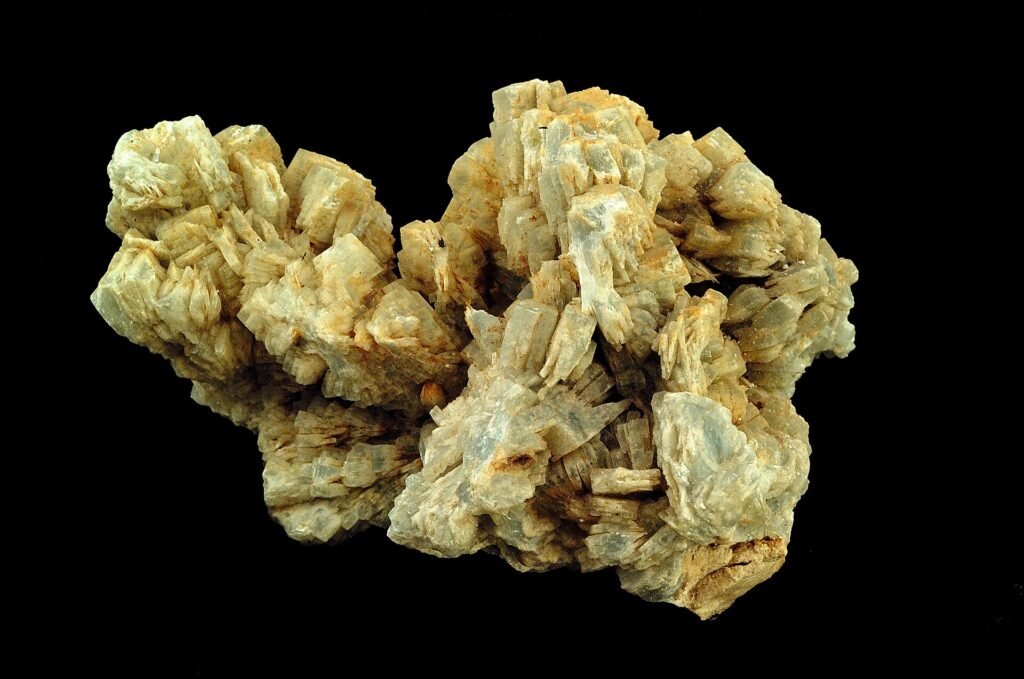
Barium is the chemical element with atomic number 56 and the symbol Ba. It is a soft, silvery metal in the alkaline earth group that tarnishes rapidly in air and reacts with water. Barium never occurs uncombined in nature, and its compounds are used in oil and gas drilling, glassmaking and medical X-ray imaging. History
Barium Read More »
A soft, silvery alkaline earth metal with atomic number 56 that occurs only in compounds such as barite and is used in drilling fluids.
Beryllium is the chemical element with atomic number 4 and the symbol Be. It is a lightweight, silvery-white alkaline earth metal in group 2 of the periodic table, valued for its stiffness, its low density and its transparency to X-rays. It is also toxic, which shapes how it is handled and regulated. History of beryllium
Beryllium Read More »
A lightweight, silvery-white alkaline earth metal, atomic number 4, valued in alloys and X-ray windows and toxic as dust.
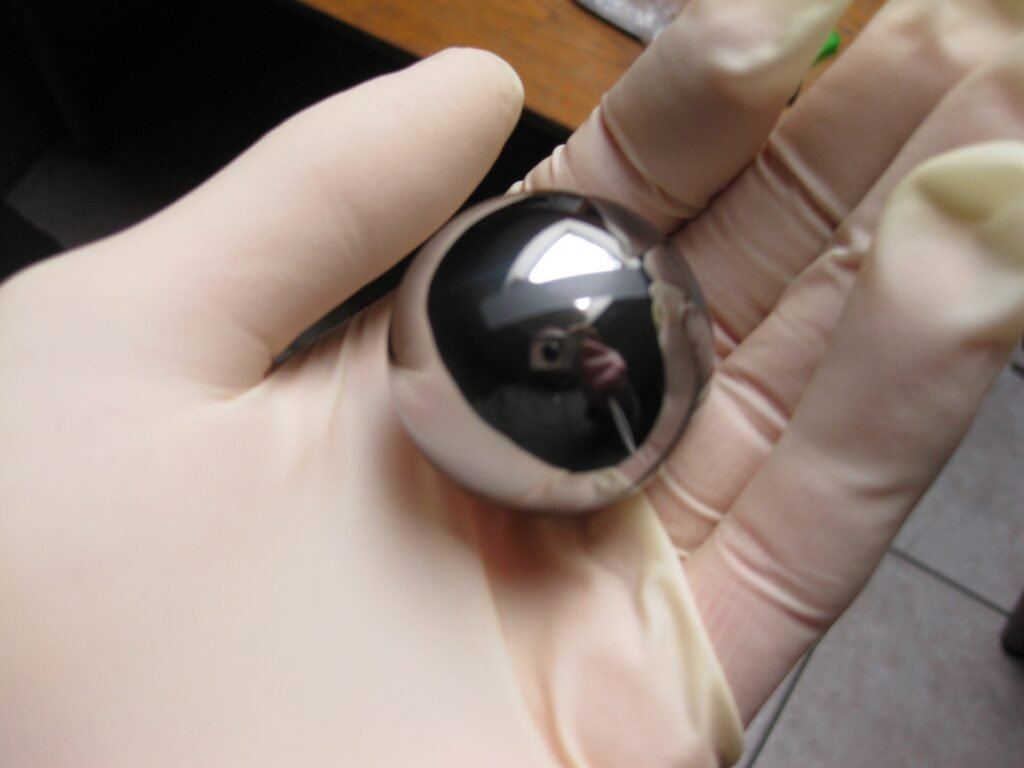
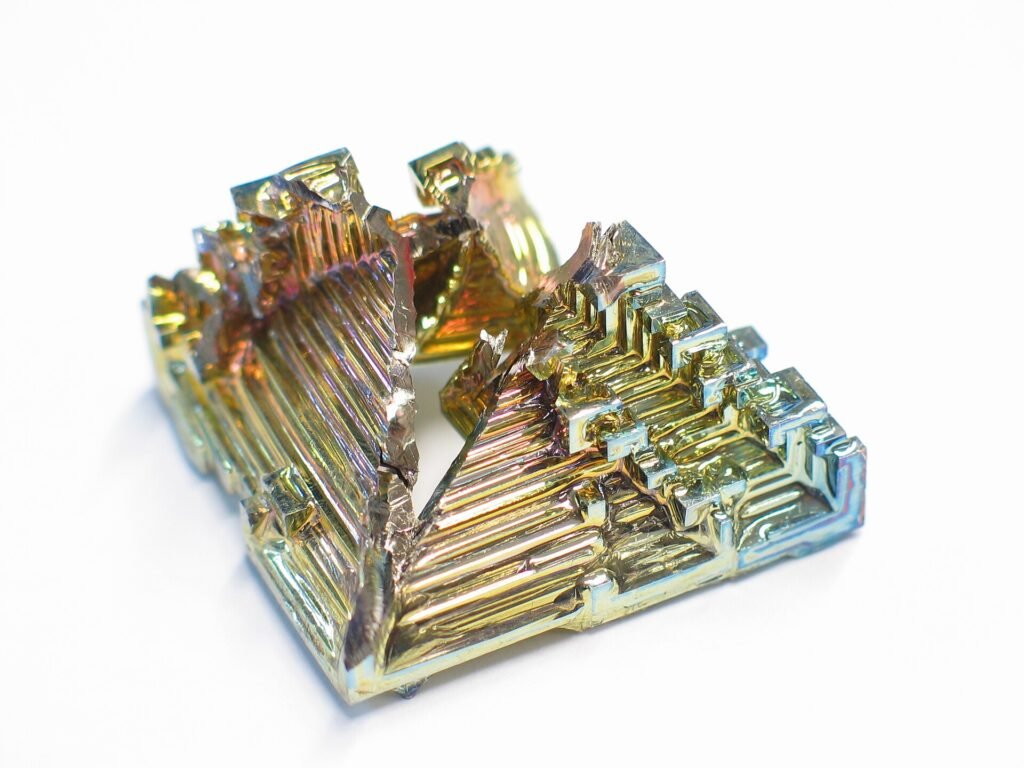
Bismuth is the chemical element with atomic number 83 and the symbol Bi. It is a high-density, silvery metal with a pink tinge, and it is brittle, so it is usually mixed with other metals to make it useful. Bismuth alloys melt at low temperatures and are used in fire detectors and fuses, while bismuth
Bismuth Read More »
A brittle, pink-tinged, high-density metal with atomic number 83, used in low-melting alloys, cosmetics and indigestion remedies.
Boron is the chemical element with atomic number 5 and the symbol B. It is a hard, high-melting semimetal in group 13 of the periodic table, and in its pure form it is a dark powder or a dark crystalline solid. Boron is rarely seen on its own: people meet it mostly as borax, boric
Boron Read More »
A hard, high-melting semimetal, atomic number 5, found as borates and used in glass, detergents, insulation and nuclear control rods.
Bromine is the chemical element with atomic number 35 and the symbol Br. It is a halogen in group 17 of the periodic table and a deep-red, oily liquid at room temperature, with a sharp smell. Its compounds are used in flame retardants, fire-extinguishing agents, agricultural chemicals and pharmaceuticals. History of bromine Bromine was identified
Bromine Read More »
A deep-red, oily liquid halogen with atomic number 35 that is toxic and used in flame retardants, fire-extinguishing agents and pharmaceuticals.