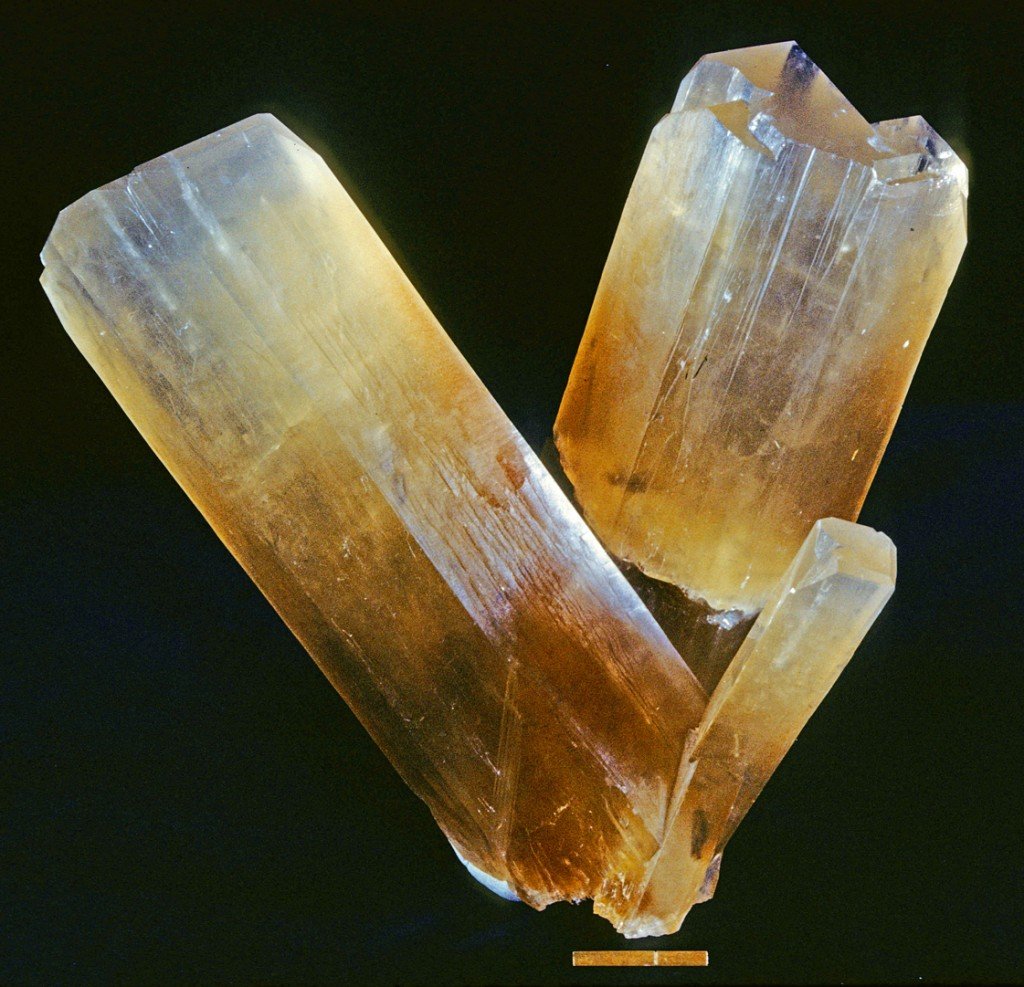
Boron in 2025 was supplied mainly by Turkey, which the U.S. Geological Survey lists with refined borate output of about 1.5 million metric tons and reserves of 950 million tons, according to its Mineral Commodity Summaries 2026. U.S. production is withheld to protect company data, and the United States is a net exporter. This article summarizes the USGS boron chapter, explains the main numbers and flags what the chapter does not say.
Who produces boron?
Boron is traded as borates, and each country reports a different product. The USGS lists estimated 2025 output, in thousand metric tons, in the unit shown:
- Turkey, refined borates: 1,500
- Bolivia, ulexite: 380
- Chile, ulexite: 300
- China, boric oxide equivalent: 230
- Peru, crude borates: 220
- Argentina, crude ore: 170
- Russia, datolite ore: 80
- Germany, compounds: 40
Because the units differ, the lines should not be added, and the USGS gives no world total, marking it not applicable. Turkey fell from 1,800 in 2024 to 1,500, about 17% lower by our own arithmetic, while Bolivia rose from 230 to 380, about 65% higher. U.S. output is withheld.
How much boron is left?
The USGS lists reserves, in thousand tons: Turkey 950,000, the United States 48,000, Russia 40,000, Chile 35,000, China 9,100 and Peru 4,000. By our arithmetic, Turkey holds about 87% of the reserves listed here. The chapter says deposits cluster in the Mojave Desert in the United States, the Alpide belt across southern Eurasia and the Andean belt of South America. About 70% of Turkey’s deposits are colemanite.
What is boron used for?
The USGS says borates are used in more than 300 applications, and that more than three quarters of world consumption goes to ceramics, detergents, fertilizers and glass. Four borate minerals, colemanite, kernite, tincal and ulexite, account for 90% of the borate minerals used by industry worldwide. The chapter gives no percentages for each use. Our report on potash in 2025 covers another fertilizer mineral.
How did U.S. trade and prices move?
The United States is a net exporter in every year. Exports of refined borax were 600 thousand tons in 2025, against 655 in 2024, and exports of boric acid were 260 against 246. Imports of refined borax fell from 232 in 2021 to 120, about 48% lower by our arithmetic. Imports of boric acid were 45 and of ulexite 38. Over 2021 to 2024, imports came from Turkey (90%) and Bolivia (6%). The price was $540 per ton, down from $574 in 2024 and $606 in 2023, though still above $394 in 2021. Employment was 1,500 people.
Who produces boron in the United States?
Three companies in southern California produced borates in 2025, and two companies produced borates from brines. The depletion allowance for borax is 14%. U.S. deposits, in order of abundance, are tincal, kernite and brine-contained borates, then ulexite and colemanite. The chapter says recycling is insignificant and there is no government stockpile.
What projects does the chapter mention?
In May 2025, Serbia’s Pobrdje colemanite mine was estimated to have a mine life of 21 years. In June 2025, the European Commission named the Jadar project one of 60 strategic projects under its Critical Raw Materials Act, and at full production it was expected to yield 286,000 tons per year of boric acid. In July 2025, a Nevada project was delayed until March 2026 because lithium prices were 80% lower than in 2022. Its initial production was expected in 2028, with a 95-year mine life and about 170,000 tons per year of boric acid as a lithium byproduct. Our report on lithium in 2025 covers the price context.
Is boron a critical mineral?
Yes, on the U.S. list. The final 2025 critical minerals list, published on November 7, 2025, added boron after public comment, along with metallurgical coal, phosphate and uranium.
What does the five-year record show?
Exports of boric acid ranged between 239 and 280 thousand tons from 2021 to 2025 and were 260 in the latest year. Exports of refined borax were 607, 651, 604, 655 and 600, a flat line within about 8%. Imports of ulexite fell from 49 thousand tons in 2021 to 20 in 2023 and recovered to 38. The price rose from $394 per ton in 2021 to $606 in 2023, then eased to $540, so it ended about 37% above 2021 by our own arithmetic. The trade pattern is steady, and the price swing is the main change.
How to read the numbers
The world table mixes ore, refined borates, ulexite and oxide equivalents, so it ranks countries only roughly. Production and apparent consumption are withheld for the United States, so import reliance cannot be computed. Estimates for 2025 are first reads that the USGS may revise.
How does boron connect to other coverage?
Boron links industrial minerals and energy minerals. See our reports on phosphate rock in 2025, soda ash in 2025 and the USGS summary of U.S. mineral production.
What should readers watch for next?
Readers can watch the Jadar and Nevada projects, Turkish output and the next USGS edition, which replaces estimates with reported data.
Glossary
- Borate: a compound that contains boron and oxygen
- Borax: a common borate used in detergents and glass
- Colemanite: a calcium borate mineral
- Boric acid: a weak acid made from borates
- Net exporter: a country that sells more than it buys
These definitions are general explanations and are not quoted from the USGS.
What is not covered here?
We omit the tariff table and any price forecast, and the USGS gives no world total for borates.
Key facts at a glance
- Turkey refined borates, 2025: about 1.5 million tons
- Turkey: about 87% of listed reserves
- More than 300 applications
- Four minerals: 90% of borate minerals used
- U.S. price: about $540 a ton
Frequently asked questions
Which country produces the most boron?
Turkey, with refined borates of about 1.5 million tons in 2025.
What is boron used for?
Ceramics, detergents, fertilizers and glass take over three quarters of world use.
Is the United States a boron importer?
No. The USGS lists it as a net exporter.
More in Business