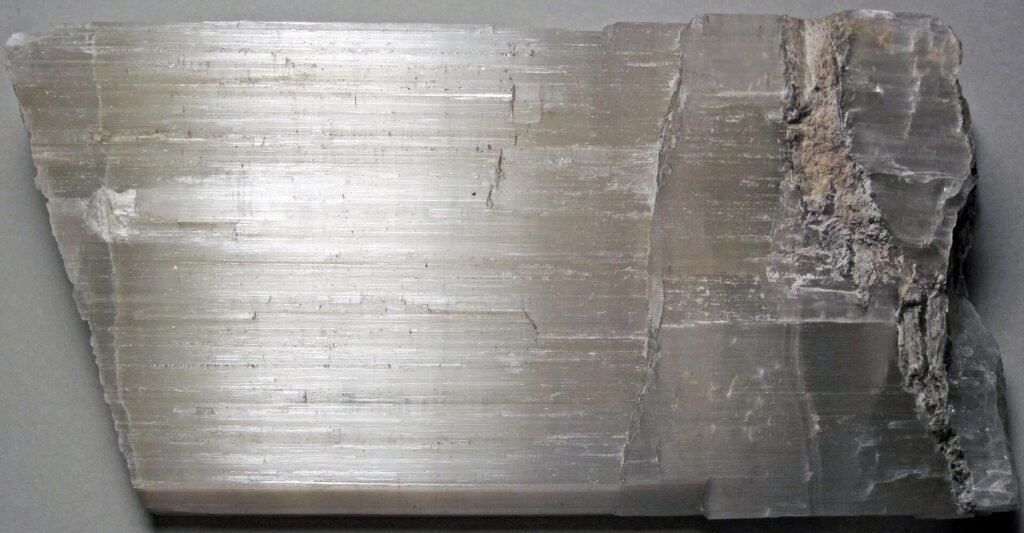
Soda ash in 2025 was produced in the United States at an estimated 12 million metric tons, up 3% from 2024, according to the U.S. Geological Survey’s Mineral Commodity Summaries 2026. More than half went to export. World output of natural and synthetic soda ash was about 71 million tons. This article summarizes the USGS soda ash chapter, explains the main numbers and flags what the chapter does not say.
Who makes soda ash?
The USGS lists estimated 2025 production of natural soda ash, in thousand metric tons:
- United States: 12,000
- Turkey: 6,000
- Botswana: 290
- Kenya: 270
- Ethiopia: 18
World natural output is 19,000, and synthetic output is 52,000, for a total of about 71,000. China produced an estimated 38 million tons, mostly synthetic. By our own arithmetic, China, Turkey and the United States together make about 79% of the total, matching the USGS figure of about 80%. The natural total includes lines for other countries that the table does not break out.
What is soda ash used for?
The USGS gives the estimated 2025 U.S. distribution: glass, 45%; chemicals, 28%; miscellaneous uses, 9%; distributors, 7%; soap and detergents, 5%; flue gas desulfurization, 4%; pulp and paper, 1%; and water treatment, 1%. Glass is therefore the single largest use. Our report on magnesium compounds in 2025 covers another industrial mineral with environmental uses.
How much soda ash is left?
The USGS lists world natural reserves of sodium carbonate at 25 billion tons. Turkey is listed at 840 million tons and Ethiopia at 400 million. The U.S. line was printed with a merged footnote mark, as 723 billion, and we read it as 23 billion because the world total is 25 billion. The chapter puts identified recoverable resources at about 47 billion tons. Wyoming’s Green River Basin holds the world’s largest trona deposit, and Searles Lake and Owens Lake in California hold an estimated 810 million tons of soda ash reserves. At least 95 natural sodium carbonate deposits have been identified worldwide.
How did the U.S. market behave?
Production rose from 11.7 million tons to an estimated 12 million. Exports fell 7%, from 7.4 million tons to 6.9 million. Reported consumption fell 2%, while apparent consumption rose 7%, according to the chapter. By our arithmetic, the table gives apparent consumption of 4.7 million tons against 4.35 million, which is about 8%. The price was $150 per ton, against $169.35 in 2024 and a peak of $211.48 in 2023. The United States is a net exporter in every year, and imports are small: 35 thousand tons, with Turkey supplying 89% over 2021 to 2024.
Why did world prices fall?
The USGS says global prices declined in 2025 because of oversupply and weak demand, largely driven by China’s expansion in Inner Mongolia, which added about 5 million tons per year of capacity in mid-2023. In March 2025, a major producer acquired a leading Wyoming company, including two trona mines. The chapter reports both as events and gives no further analysis.
How is trona mined?
The USGS says Wyoming trona is being depleted at about 15 million tons per year, equal to 8.3 million tons of soda ash. Average mining recovery is 45% for room-and-pillar mining and 30% for solution mining. The chapter does not say how much of the identified resource these rates would deliver.
How steady is the domestic industry?
Employment at mines and plants was 2,400 people in every year from 2021 to 2025. Producer stocks at yearend were 278, 364, 251, 245 and about 300 thousand tons. Production moved only between 10.9 and 12 million tons over five years. The industry is large, stable and tied to export markets. A plant that runs at a steady rate while prices swing by nearly a third shows how much of the business depends on contracts and volumes rather than on the price in any one year.
What does the five-year record show?
Apparent consumption was 4,550 thousand tons in 2021, 4,760 in 2022, 4,360 in 2023, 4,350 in 2024 and an estimated 4,700 in 2025. Reported consumption fell from 4,640 to 4,300 over the same years, so the two measures diverged in 2025. Exports were 6,840, 6,470, 6,660, 7,400 and 6,900. By our own arithmetic, exports equal about 58% of 2025 production, which fits the USGS statement that more than half was exported. The price peaked in 2023 and has fallen about 29% since, from $211.48 to $150. Foreign demand sets the pace for this industry.
How to read the numbers
The U.S. figures are natural soda ash only. World totals add synthetic soda ash, which is made by a chemical process, and reserves are sodium carbonate only. Estimates for 2025 are first reads that the USGS may revise.
How does soda ash connect to other coverage?
Soda ash is part of the industrial minerals family. See our reports on potash in 2025, phosphate rock in 2025 and the USGS summary of U.S. mineral production.
What should readers watch for next?
Readers can watch Chinese capacity, export demand and the next USGS edition, which replaces estimates with reported data.
Glossary
- Soda ash: sodium carbonate, a white powder used to make glass
- Trona: the mineral from which natural soda ash is made
- Synthetic soda ash: soda ash made by a chemical process
- Flue gas desulfurization: removing sulfur from smokestack gas
- Net exporter: a country that sells more than it buys
These definitions are general explanations and are not quoted from the USGS.
What is not covered here?
We omit the tariff table, the footnotes that were missing from the copy we read and any price forecast.
Key facts at a glance
- U.S. production, 2025: about 12 million tons
- World output: about 71 million tons
- Glass: 45% of U.S. use
- More than half of U.S. output exported
- Price: about $150 a ton, down from $169
Frequently asked questions
What is soda ash used for?
Mostly glass, at 45% of U.S. use, then chemicals at 28%.
Does the United States export soda ash?
Yes. The USGS says more than 50% of production was exported in 2025.
Why did soda ash prices fall?
The USGS cites oversupply and weak demand, linked to Chinese capacity growth.
More in Business