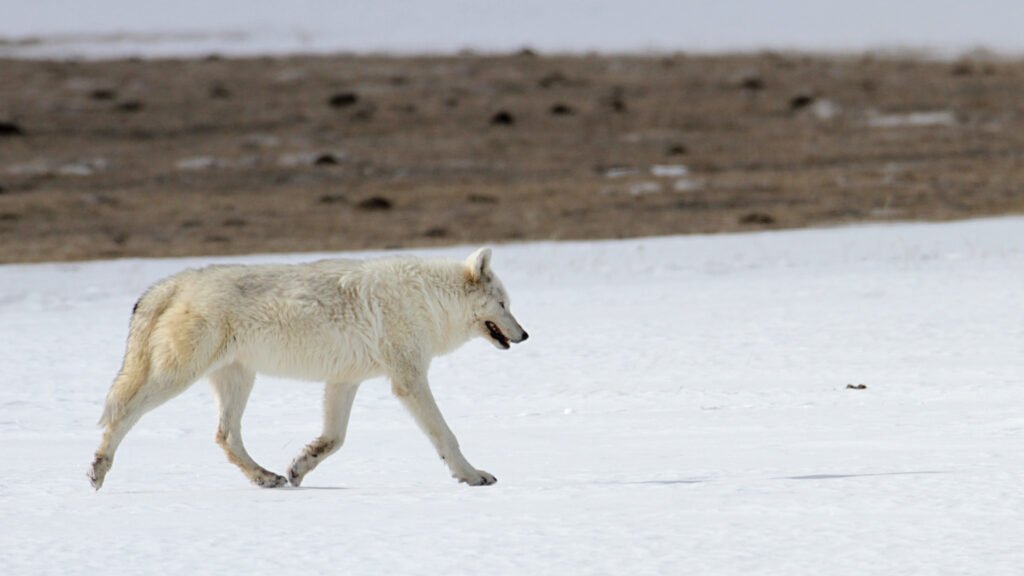
Species reintroduction is the deliberate release of animals or plants into an area where the species previously existed but has since disappeared, typically as a result of hunting, habitat destruction, or other human-caused pressures. The goal is to reestablish a self-sustaining wild population in its former range, and the practice has become an important tool in conservation biology for reversing some of the biodiversity losses caused by past extinctions and local extirpations.
Reintroduced individuals may come from captive breeding programs specifically established for this purpose, or from healthy wild populations elsewhere that can sustain the removal of some individuals for translocation to the target area. Some of the best-known reintroduction efforts, including the return of gray wolves to Yellowstone National Park in the 1990s, have demonstrated how restoring even a single missing species can trigger far-reaching ecological changes throughout an ecosystem.
Planning a Reintroduction Program
Successful reintroduction programs require extensive advance planning, including confirming that the original causes of the species’ disappearance, such as habitat loss, disease, or unregulated hunting, have been sufficiently addressed in the target area, since releasing animals into an environment with unresolved threats typically leads to the same decline that caused the original extinction. Suitable habitat must also be verified as adequate in both quality and extent to support a viable long-term population.
Genetic considerations play an important role as well, since reintroduction programs generally aim to use source populations that are genetically similar to the original population where possible, and to release enough individuals, along with planning for ongoing genetic management, to avoid the inbreeding problems that can threaten small founding populations in their first generations after release.
Ecological Ripple Effects
The reintroduction of gray wolves to Yellowstone is frequently cited as a textbook example of what ecologists call a trophic cascade, in which the return of a top predator triggered a chain of ecological changes throughout the food web, including changes in elk behavior and population distribution that allowed streamside vegetation to recover in areas elk had previously overgrazed, which in turn benefited beaver populations and improved stream habitat for fish.
Similar ripple effects have been documented or anticipated in other reintroduction efforts involving keystone species, a term for species whose presence or absence has an outsized effect on the structure of an entire ecosystem relative to their abundance, underscoring why restoring even a single missing species can sometimes produce conservation benefits that extend well beyond that species alone.
Challenges and Controversies
Reintroduction programs, particularly those involving large predators, frequently encounter resistance from local communities concerned about livestock predation, competition for game species, or general safety concerns, making stakeholder engagement and, in many cases, compensation programs for livestock losses an essential component of a politically sustainable reintroduction effort rather than an afterthought.
Climate change has introduced an additional complication for reintroduction planning, since the historical range of a species may no longer provide suitable habitat conditions by the time a reintroduction program is ready to proceed, leading some conservation biologists to consider “assisted colonization,” the deliberate introduction of a species to an area outside its historical range where conditions are now more favorable, though this remains a more controversial and less widely practiced approach than traditional reintroduction.
Monitoring Reintroduced Populations
Long-term monitoring is considered essential to any reintroduction program, typically involving GPS or radio tracking of released individuals, regular population surveys, and genetic sampling to track how the population is faring over multiple generations, since a reintroduction that appears successful in its first few years can still fail later if the population does not reach a size large enough to be self-sustaining without continued human intervention.
Programs increasingly define specific, measurable success criteria in advance, such as a target population size sustained over a set number of years without additional releases, rather than treating the initial release itself as the endpoint of the project, a shift that has made it easier to compare outcomes across different reintroduction efforts and identify which program designs tend to succeed.
Notable Global Examples
Beyond Yellowstone’s wolves, other well-documented reintroduction programs include the return of the European bison to parts of Eastern Europe after the species had been reduced to a small captive population by the early twentieth century, and the reintroduction of sea otters along sections of the North American Pacific coast, which has since helped control sea urchin populations and supported the recovery of kelp forest ecosystems in several locations.
These varied examples span continents and taxonomic groups, from large mammals to marine species, illustrating that reintroduction has become a globally applied conservation strategy rather than a technique limited to any single region or type of ecosystem.
International guidelines published by conservation bodies now help standardize best practices across these diverse reintroduction efforts worldwide.
FAQ
What is the difference between species reintroduction and captive breeding?
Captive breeding focuses on producing animals in controlled settings to build up population numbers, while reintroduction specifically refers to releasing those or other individuals into an area where the species previously existed but had disappeared.
What was the ecological impact of reintroducing wolves to Yellowstone?
It triggered a trophic cascade: wolves changed elk behavior and distribution, allowing overgrazed vegetation to recover, which in turn benefited beaver populations and improved stream habitat for fish.
Why might a reintroduction program fail?
A reintroduction can fail if the original causes of the species’ decline, such as habitat loss or hunting, were not sufficiently addressed before release, or if the founding population is too small or genetically similar to avoid inbreeding problems.
More in Conservation
Editorially reviewed by Specialty Digest Editorial TeamLast reviewed November 4, 2026Researched and drafted with AI assistanceReport an issue