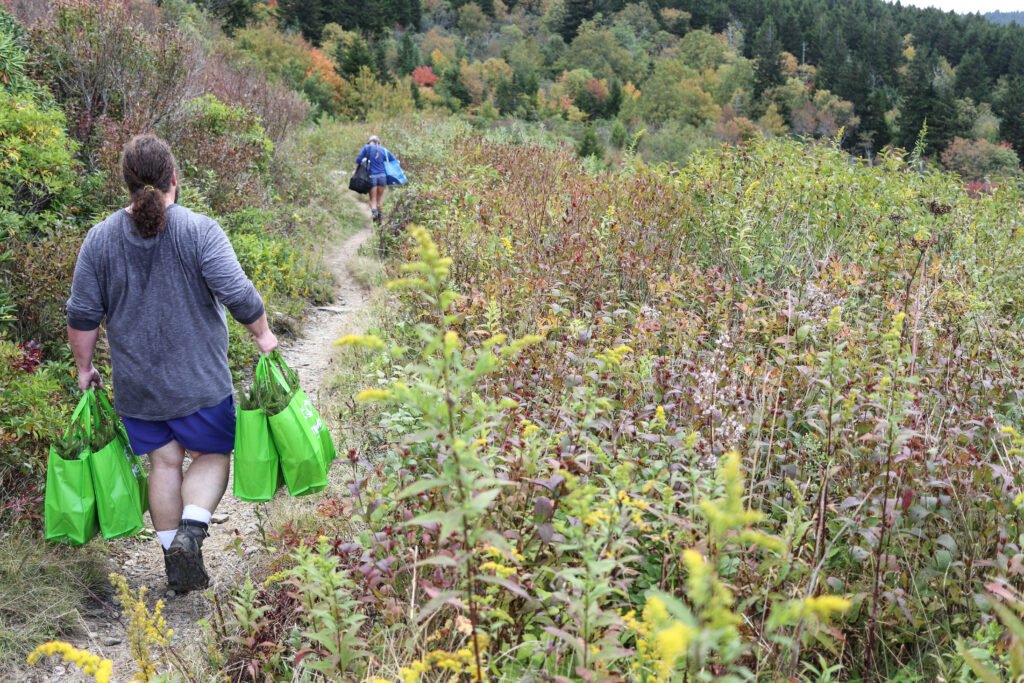
Afforestation is the establishment of forest on land that has not been forested for a very long time, or has never supported forest cover at all, typically through deliberate tree planting or seeding rather than natural regrowth. It is distinct from reforestation, which refers specifically to replanting trees on land that was forested more recently
Afforestation Read More »
Afforestation is the establishment of forest on land that has not been forested recently or ever, often used as a climate and land-restoration tool.
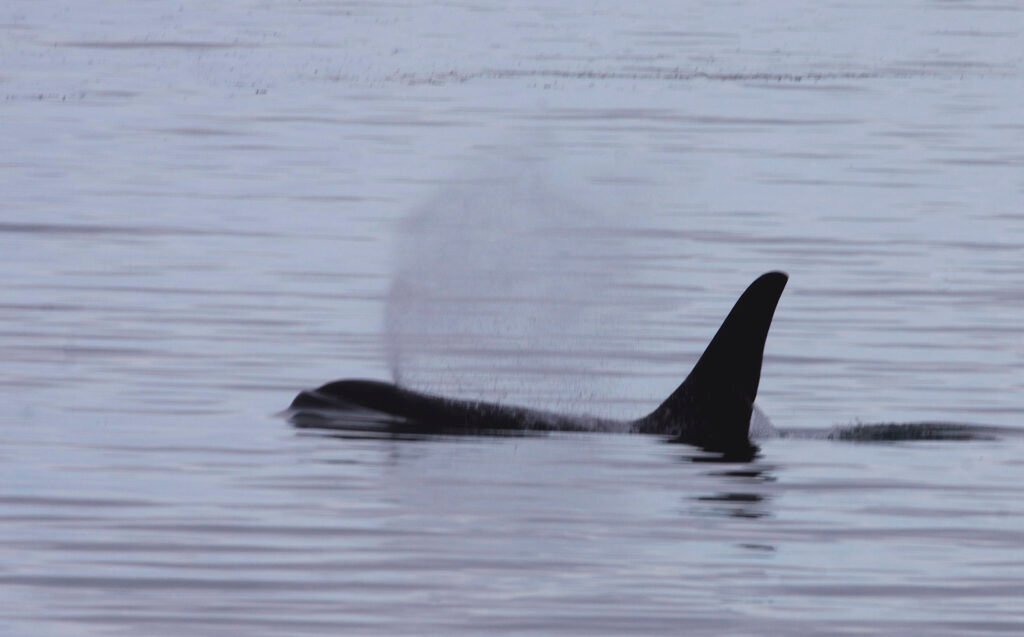
An apex predator is a predator that occupies the top of its ecosystem’s food chain and has no natural predators of its own as an adult, making it the final destination for the flow of energy through that particular chain. The term describes a species’ position within a food web rather than any specific behavior,
Apex predator Read More »
An apex predator sits at the top of its food chain with no natural predator of its own as an adult.
In simple terms A biodiversity hotspot is a region that packs in an extraordinary concentration of plant species found nowhere else on Earth, and that has already lost most of the natural habitat those species depend on. [1] The designation flags places where both the stakes and the urgency of conservation are unusually high at
Biodiversity hotspot Read More »
A biodiversity hotspot is a region with an exceptionally large number of plant species found nowhere else on Earth that has already lost most of its original natural habitat.
Captive breeding is the practice of breeding animals in controlled environments such as zoos, aquariums, and dedicated conservation breeding centers, most often as part of an effort to prevent a species from going extinct or to build up a population large enough to reintroduce individuals into the wild. The practice has become an established, if
Captive Breeding Read More »
Captive breeding is the practice of breeding endangered animals in controlled settings to prevent extinction and support future reintroduction.
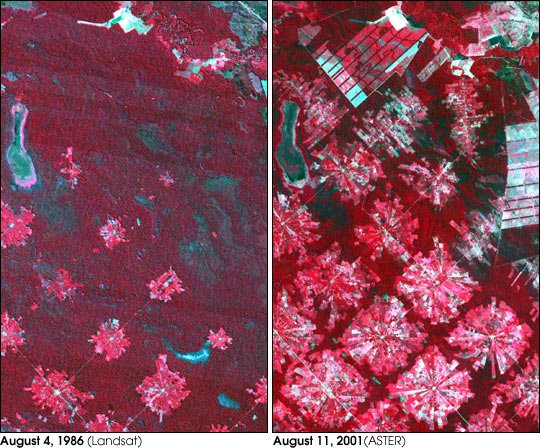
Deforestation is the large-scale clearing or removal of forest, most often to convert the land to farming, grazing, logging, mining, or urban development. It differs from forest degradation, in which a forest remains standing but is thinned or damaged, because deforestation removes the tree cover itself and, with it, most of the forest’s original ecological
Deforestation Read More »
Deforestation is the large-scale clearing of forest for farming, logging, mining, or development, removing tree cover and its ecological functions.
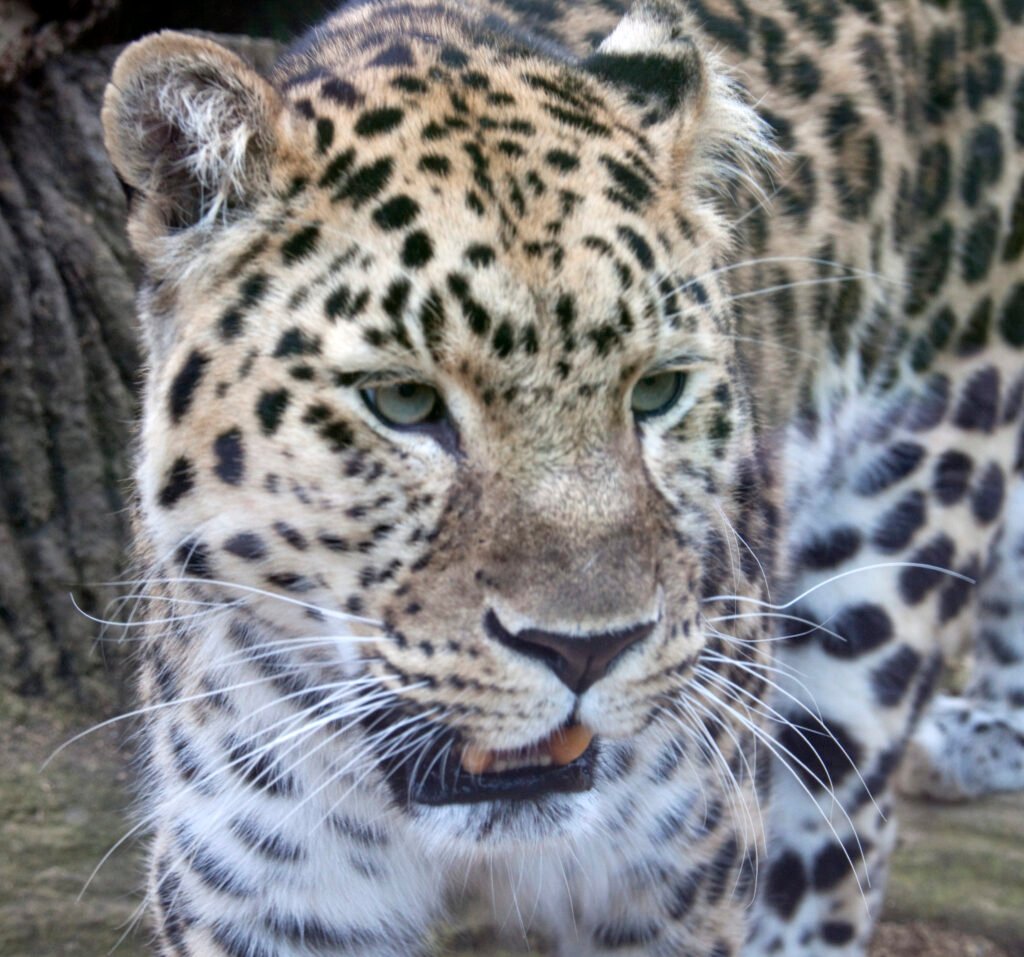
An endangered species is a species of plant or animal facing a very high risk of extinction in the wild in the near future. The term has a precise technical meaning in conservation science, defined by specific population and range criteria, in addition to its looser everyday use to describe any species considered at risk.
Endangered species Read More »
An endangered species is a species facing a very high risk of extinction in the wild, as classified by the IUCN Red List and national laws.
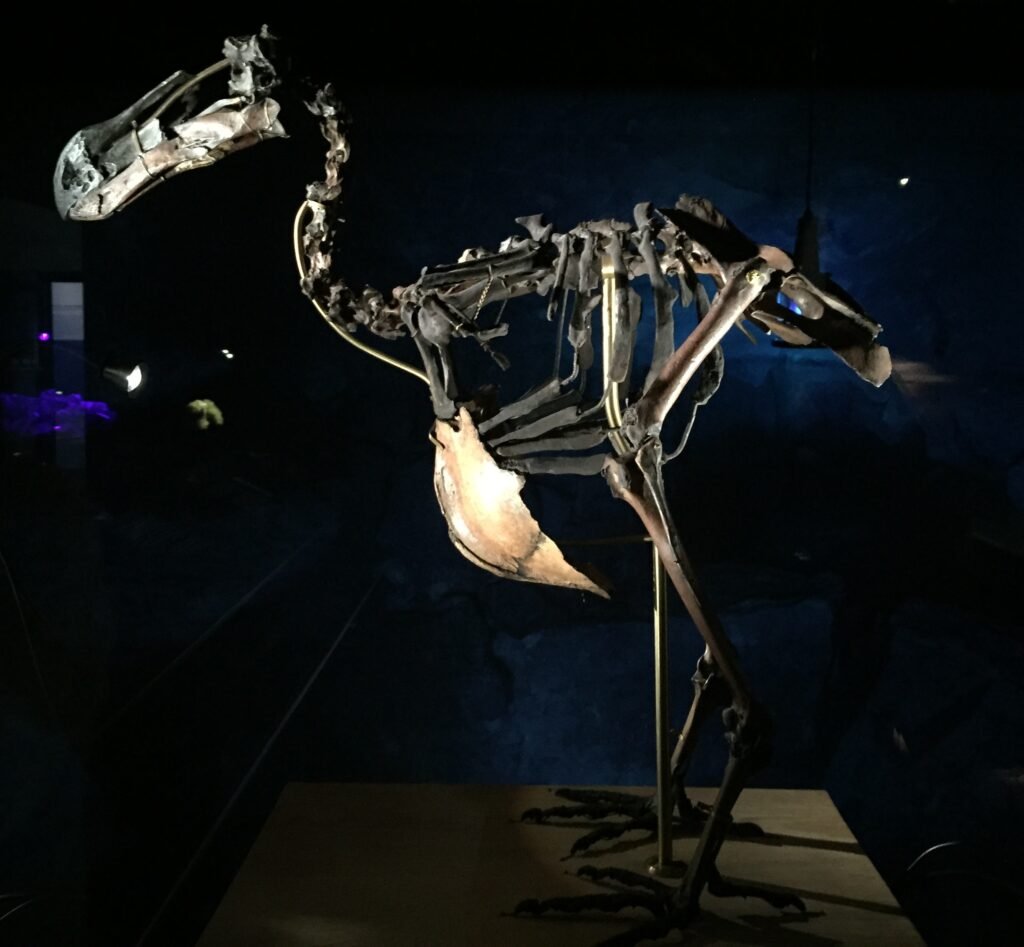
Extinction is the complete disappearance of a species, meaning no living members of it remain anywhere on Earth. It is, in one sense, as old as life itself: species have been going extinct and new ones arising for as long as evolution has operated, and extinction is generally considered a normal, ongoing part of that
Extinction Read More »
Extinction is the complete disappearance of a species, with no living members remaining anywhere on Earth.
In simple terms The giant panda is a bear native to central China, instantly recognizable by its black-and-white coat, that feeds almost entirely on bamboo despite belonging to a family of animals built to eat meat. [1] How it works Giant pandas live in a handful of mountain forest regions in central China, primarily in
Giant panda Read More »
The giant panda is a bear native to central China, easily recognized by its black-and-white coat, that feeds almost entirely on bamboo.
Habitat fragmentation is the process by which a large, continuous area of natural habitat is broken into smaller, more isolated patches, typically as a result of human activities such as road building, agricultural expansion, logging, and urban development. The resulting patches are often too small or too disconnected to support the same populations and ecological
Habitat Fragmentation Read More »
Habitat fragmentation is the breaking of a large continuous habitat into smaller, isolated patches, a leading driver of biodiversity loss worldwide.
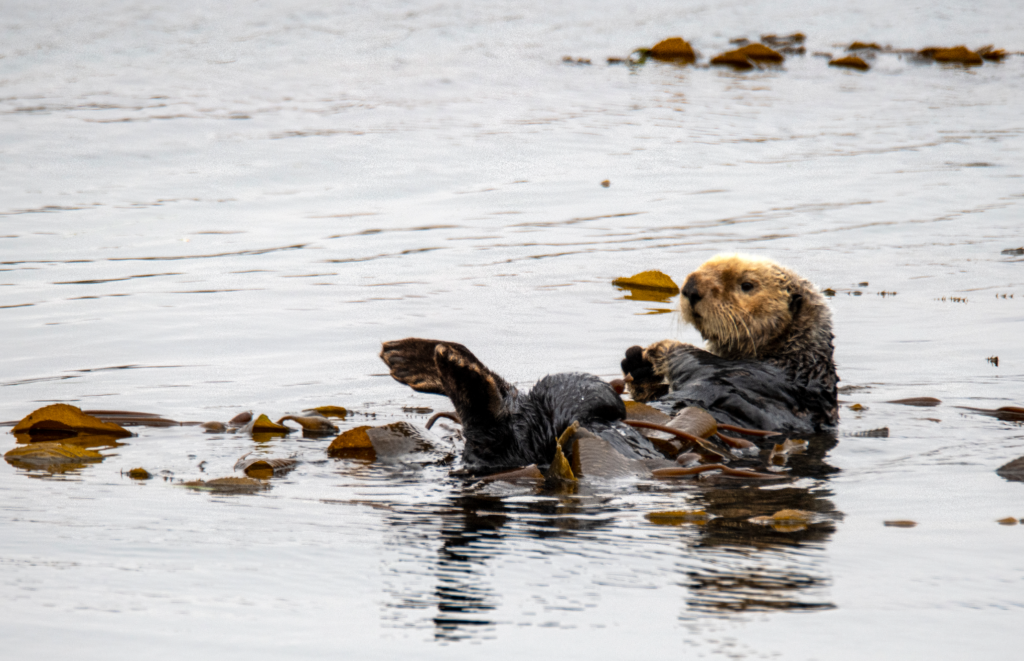
A keystone species is an organism whose presence has a disproportionately large effect on the structure and stability of its ecological community, relative to how abundant it actually is. Removing a keystone species can set off a chain of changes that reshapes an entire community, even though the species itself may be neither the largest
Keystone species Read More »
A keystone species is an organism whose ecological impact far outweighs its abundance, often holding an entire community's structure together.