
The Berlin Wall Falls
A government spokesman misspoke at a press conference, and within hours a barrier that had divided a city for twenty-eight years lost its power to stop anyone.
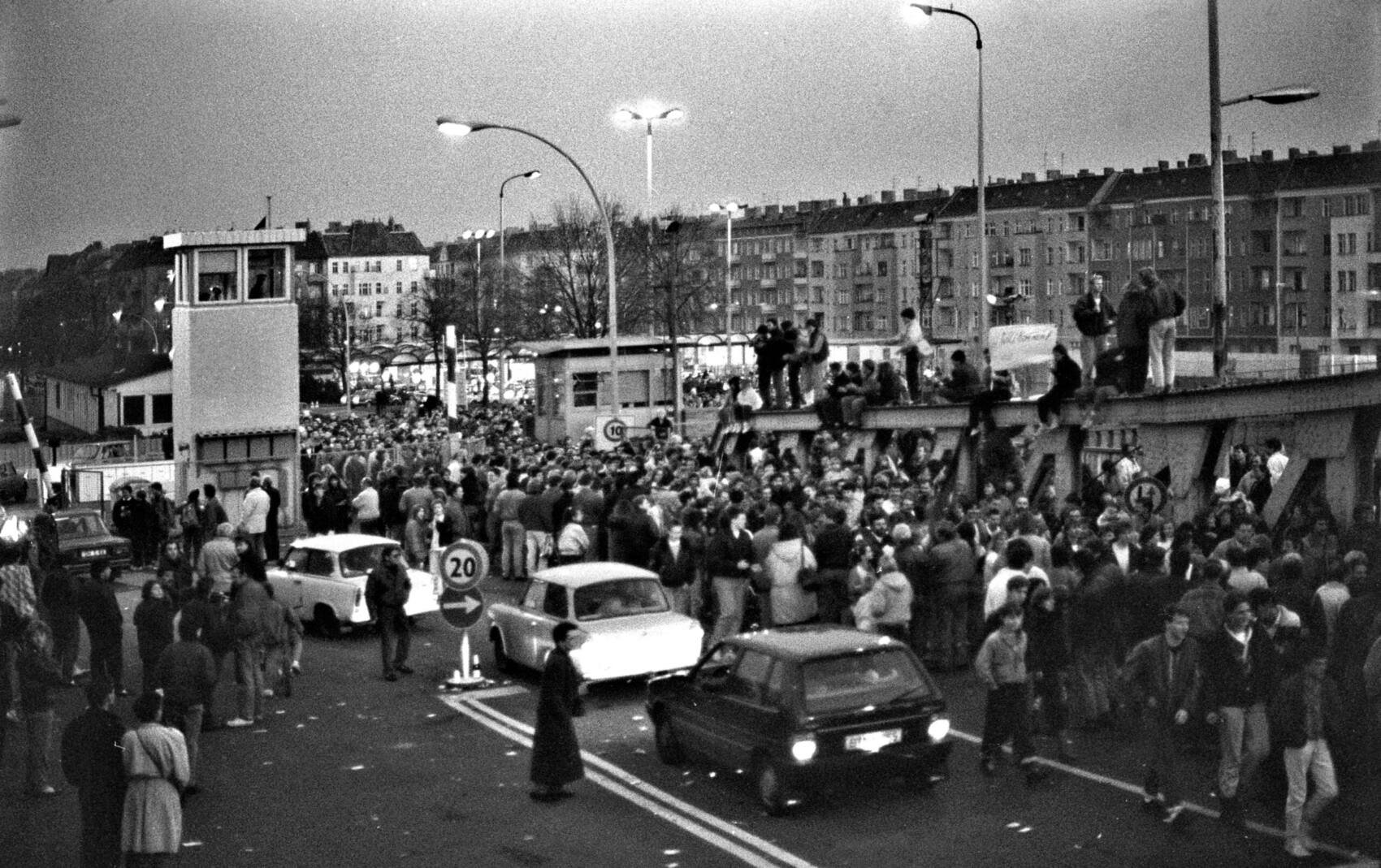
On the evening of November 9, 1989, East German Politburo spokesman Gunter Schabowski announced looser travel rules at a televised press conference. Unsure when they would start, he told a reporter the change was effective “ab sofort, unverzuglich,” immediately, without delay. Crowds rushed the checkpoints, and near midnight the commander at Bornholmer Strasse opened the gate without authorization.
The wall had stood as the clearest physical symbol of the Cold War’s divide between East and West. Its sudden opening ended that division almost overnight and put East and West Germany on a fast path toward formal reunification less than a year later.
Authority often rests less on force than on people believing a barrier is still enforced. Once enough East Berliners simply walked toward the checkpoints expecting to pass, outnumbered guards with no new orders had no way left to enforce the old rule, a dynamic our explainer unpacks in what actually caused the fall of the Berlin Wall.
People Behind the Story

Handed a note on the new travel rule just before a televised press conference, Schabowski was still unfamiliar with its details when a reporter asked when it would take effect. His improvised answer sent crowds straight to the border that same night.
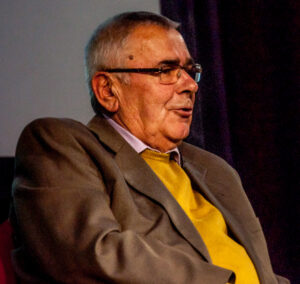
After hours of unanswered calls to his superiors as the crowd outside grew into the thousands, Jager stopped waiting for orders and told his men to raise the barrier himself, fearing what might happen if they didn’t.
Key Moments
East Germany seals the border overnight, beginning construction of the wall that will divide Berlin for the next twenty-eight years.
Hungary dismantles its border fortifications with Austria and, by September, lets East German vacationers cross west rather than sending them home, a shift historians trace back to Hungary’s own uprising against Soviet rule in 1956. Mass demonstrations spread across East German cities through the fall.
Schabowski’s press conference sets off the opening of border crossings across Berlin that same night.
East and West Germany are formally reunified, less than a year after the wall opened.
Did you know? Schabowski’s new rule was meant to start the next morning through normal channels. Asked on camera when it would take effect, he improvised an answer, and East Berlin’s government never got the chance to roll it out on its own schedule.
- “Berlin Wall,” Encyclopaedia Britannica
- “Marking the 30th Anniversary of the Berlin Wall’s Fall,” U.S. National Archives
- “Twenty-Fifth Anniversary of the Fall of the Berlin Wall,” Wilson Center Cold War International History Project
- “The Man Whose Words Brought Down the Berlin Wall Was Far From a Bumbling Fool,” The Conversation
- Interview with Harald Jager, NPR Parallels (2014)
More in History
- This Day in History, November 10: The Edmund Fitzgerald Sinks in a Lake Superior Gale
- This Day in History, November 11: The Armistice Ends World War I
- This Day in History, November 12: Berners-Lee and Cailliau Propose the World Wide Web
- This Day in History, November 13: Mariner 9 Becomes First Spacecraft to Orbit Another Planet