
The Armistice Ends World War I
At the eleventh hour of the eleventh day of the eleventh month, the Armistice ending World War I takes effect, and the guns finally fall silent across the Western Front after more than four years of war.

Just after 5 a.m. on November 11, 1918, German state secretary Matthias Erzberger and Allied Supreme Commander Marshal Ferdinand Foch signed an armistice inside a railway carriage parked in the Compiègne forest of northern France. Six hours later, at 11 a.m., the ceasefire took effect and fighting stopped along the entire Western Front.
The armistice ended the deadliest conflict the world had yet seen, roughly nine million soldiers and millions more civilians dead, and led directly to the League of Nations, the flawed forerunner of today’s United Nations. November 11 became an annual day of remembrance across dozens of nations.
People Behind the Story
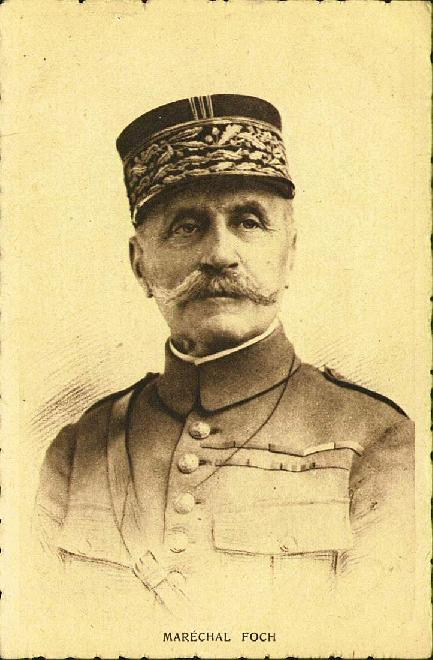
As the Allies’ supreme military commander, Foch met the German delegation in his railway carriage near Compiègne and dictated the terms that ended the fighting he had led the Allies through in the war’s final year.
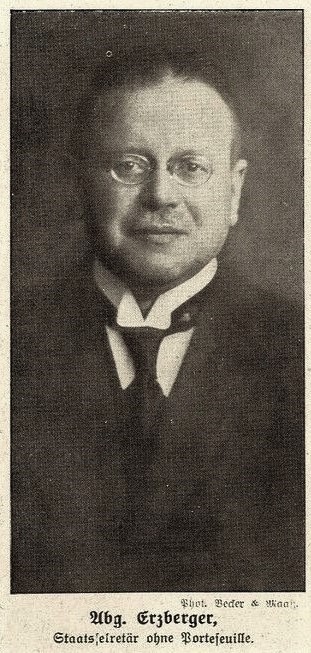
A civilian politician rather than a general, Erzberger led the German delegation as chairman of its Armistice Commission, signing on behalf of a government undone by the same alliances and militarism that had pulled Europe into war four years earlier.
Key Moments
Kaiser Wilhelm II’s abdication is announced in Berlin as mutiny spreads through the German navy; he crosses into exile in the Netherlands the next day.
The armistice signed six hours earlier takes effect, silencing the guns on the Western Front after more than four years of trench warfare.
The Treaty of Versailles is signed, formally ending the war on terms so punishing toward Germany that historians say they helped set the stage for World War II two decades later.
King George V unveils the Cenotaph in London as the Unknown Warrior is buried in Westminster Abbey, the first Armistice Day ceremonies held exactly two years after the guns fell silent.
The U.S. Congress renames the November 11 holiday Veterans Day, broadening it from honoring World War I’s dead to honoring American veterans of every war.
Did you know? American sergeant Henry Gunther, a 23-year-old from Baltimore, is widely cited as the last soldier killed in the war, shot at 10:59 a.m., sixty seconds before the ceasefire took effect.
- “Erzberger: Negotiating the Armistice for Germany,” The Open University
- “November 11, 1918: The End of World War I?,” Origins, Ohio State University
- “This Day in History: November 11,” History.com
- “The Unknown Warrior,” Westminster Abbey
- “Proclamation 3071, Veterans Day, 1954,” The American Presidency Project
- “The Last American Killed in World War I,” TIME
More in History