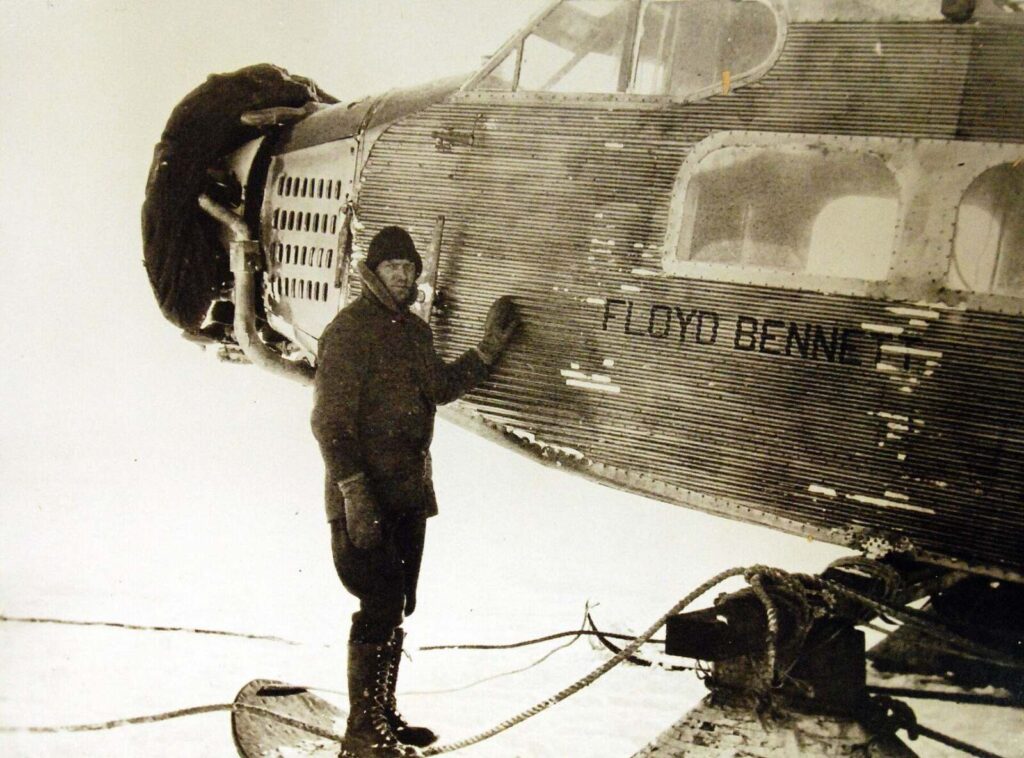
The First Flight Over the South Pole
On November 29, 1929, Richard Byrd and his crew made the first flight over the South Pole, crossing the bottom of the world in a single, overloaded airplane and making it home in under nineteen hours.
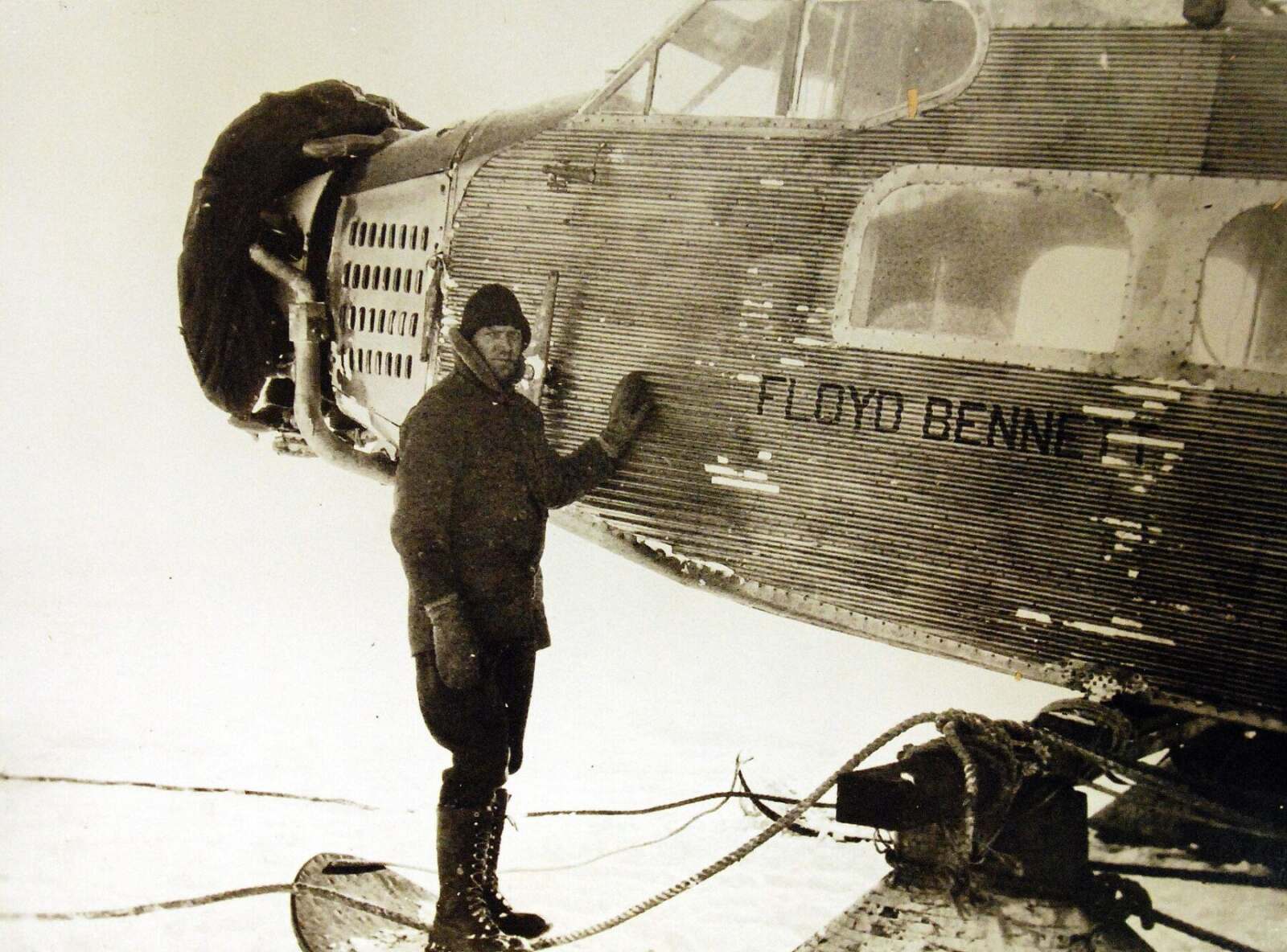
Richard Byrd, pilot Bernt Balchen, radio operator Harold June, and photographer Ashley McKinley flew a Ford Tri-Motor named the Floyd Bennett from the Little America base on Antarctica’s Ross Ice Shelf toward the pole. Nearing the Queen Maud Mountains, the overloaded plane could not climb, so the crew dumped fuel cans and food sacks overboard to clear an eleven-thousand-foot pass.
Walking parties had reached the South Pole since 1911, but no aircraft had ever crossed it. The flight proved an airplane could survey Antarctica’s interior, opening the continent to aerial exploration rather than only slow, dangerous overland treks.
An engine can outlast what legs and lungs cannot. A crossing that once cost explorers months of starvation and frostbite took four men a single day to fly, a pattern aviation repeated across nearly every remaining blank space on the map.
People Behind the Story
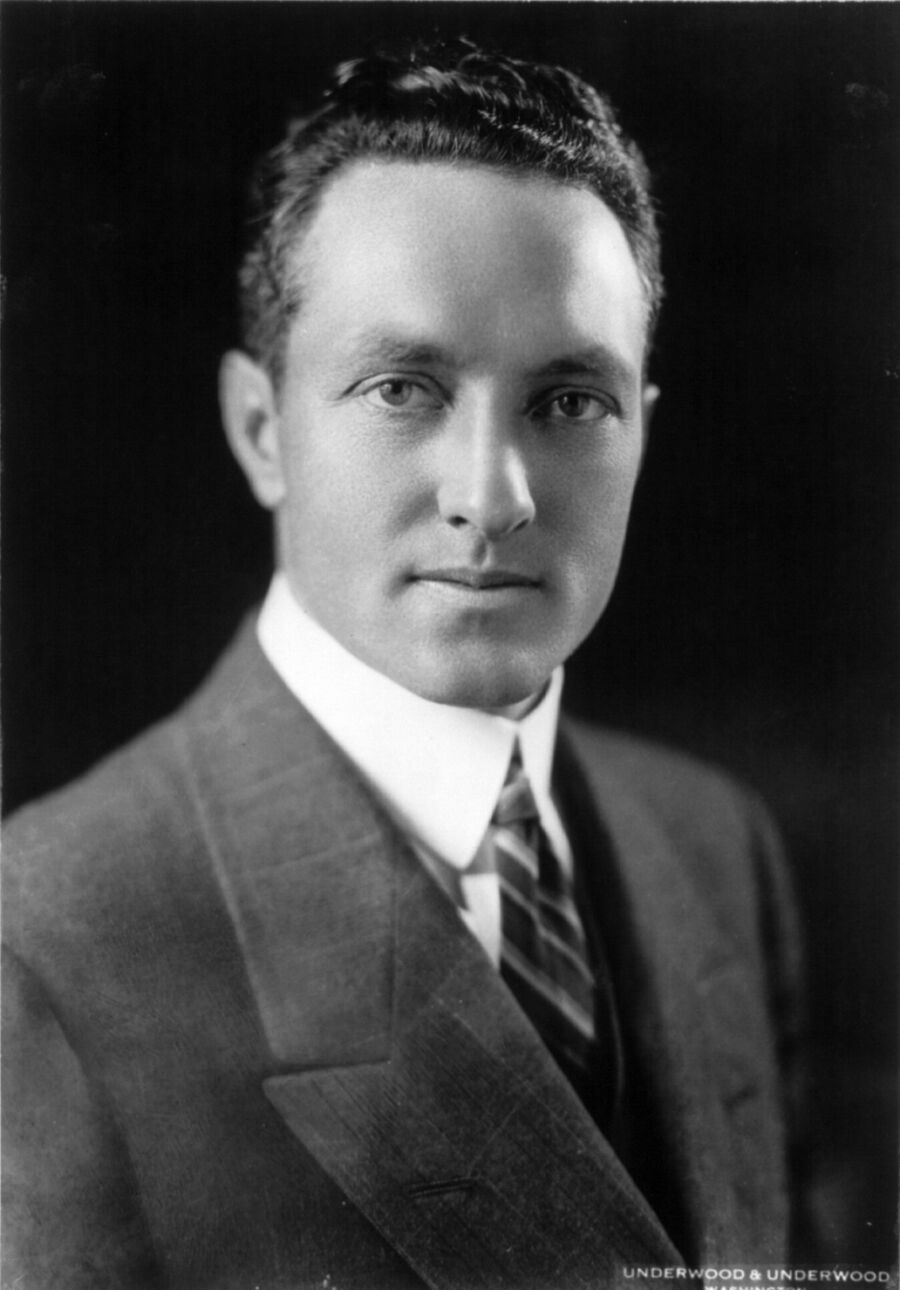
Byrd navigated the flight from the air and was promoted to rear admiral afterward for leading what the Navy called one of the era’s great feats of polar exploration.
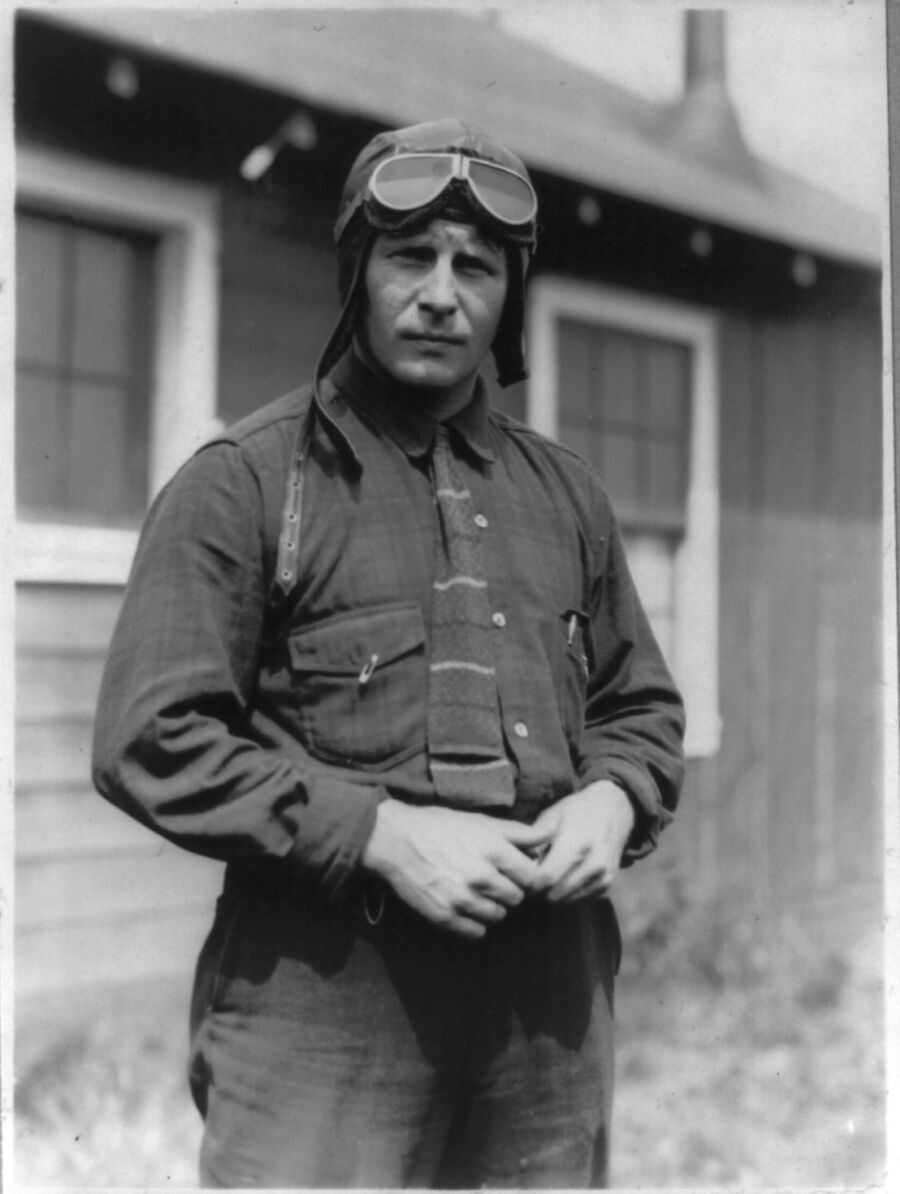
The Norwegian-American aviator flew the overloaded Floyd Bennett through the mountain pass and home, a performance his crewmates credited as much as Byrd’s navigation for the flight’s success.
Key Moments
Roald Amundsen’s Norwegian team becomes the first humans to reach the South Pole, after a grueling trek by ski and dog sled.
Byrd’s expedition lands in Antarctica and builds Little America, the Ross Ice Shelf camp that becomes the staging ground for the flight.
Byrd, Balchen, June, and McKinley fly the Floyd Bennett from Little America to the pole and back, clearing the Queen Maud Mountains with cargo thrown overboard to spare.
Byrd returns to the United States a national hero, promoted to rear admiral and honored by President Herbert Hoover.
Did you know? Nearing the mountains, the overloaded Floyd Bennett could not climb high enough to clear them. The crew heaved out cans of fuel, then sacks of food, until the plane could scrape over an eleven-thousand-foot pass with only a few hundred feet to spare. At the pole, Byrd dropped an American flag weighted with a stone from the grave of Floyd Bennett, the plane’s namesake.
Frequently Asked Questions
Was this the first time anyone reached the South Pole?
No. Amundsen’s team walked to the pole in 1911, eighteen years earlier. Byrd’s flight was the first time anyone flew over it.
Why was the plane named the Floyd Bennett?
It honored aviator Floyd Bennett, who had flown with Byrd in the Arctic and died in 1928 of pneumonia contracted during a rescue mission.
More in History