George Washington Proclaims America’s First Thanksgiving
Acting on a request from the brand-new Congress, the first president set aside a Thursday in late November so a nation could give thanks for a constitution not yet a year old.
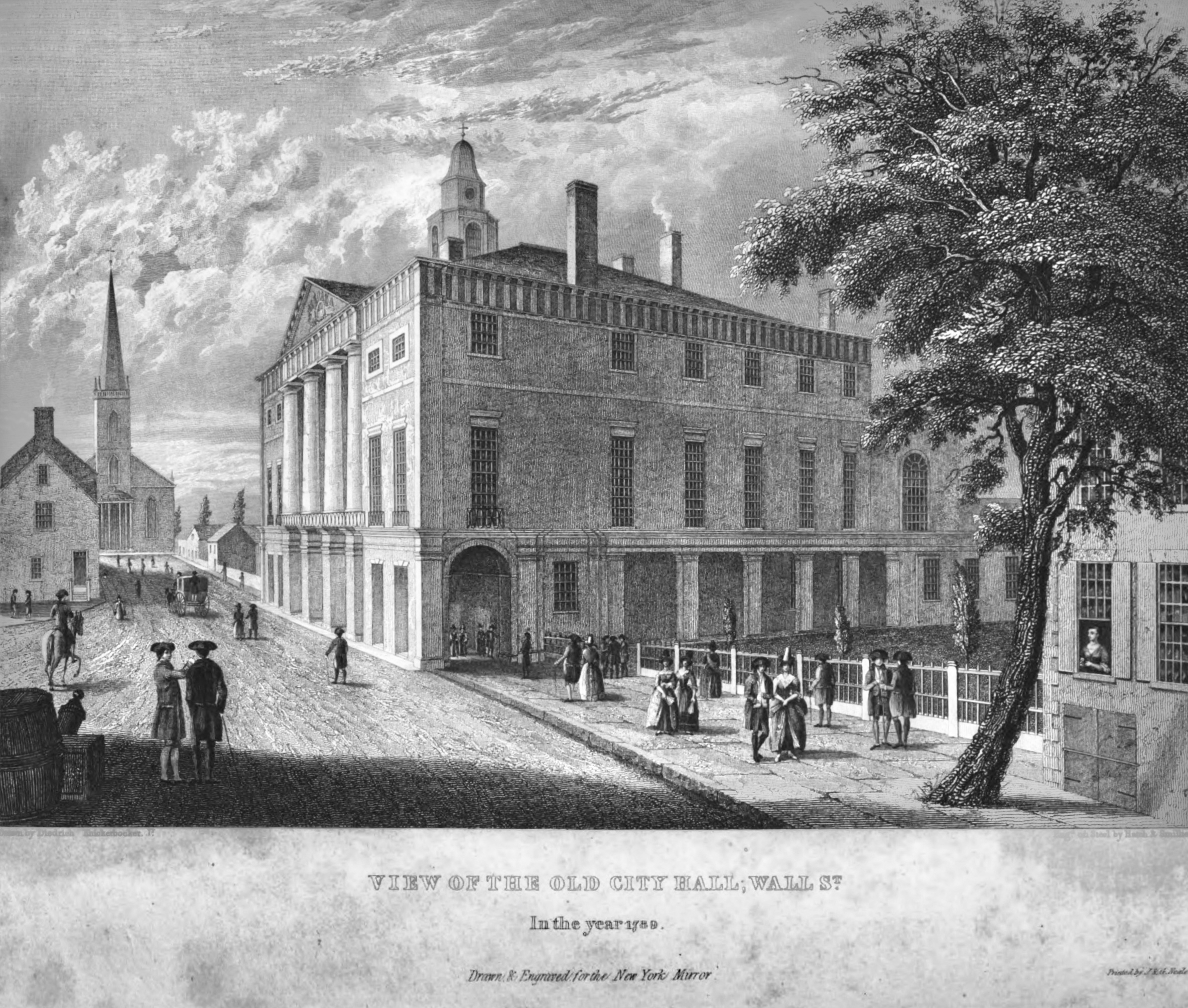
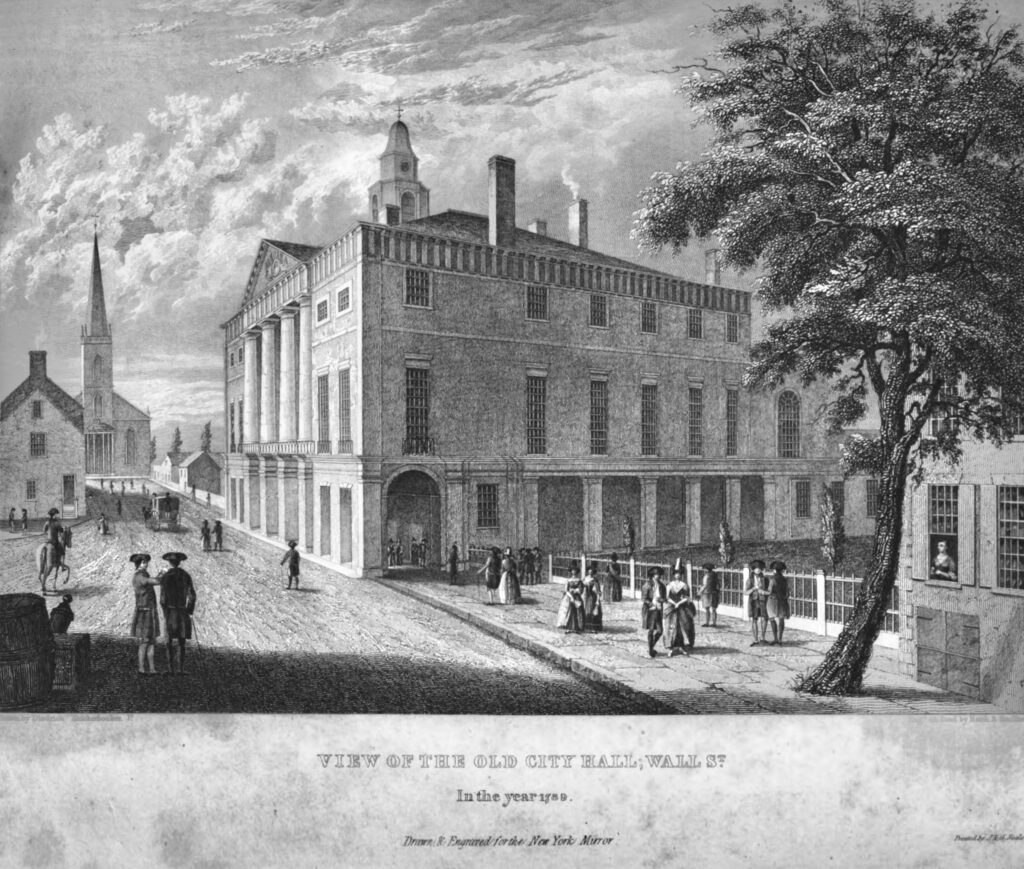
On October 3, 1789, President George Washington signed a proclamation in New York City naming Thursday, November 26, a day of public thanksgiving and prayer. He acted on a joint request from the new Congress, whose House had resolved on September 25 and whose Senate agreed the next day. It was the first Thanksgiving observed under the Constitution.
Congress asked for the day, but not without a fight. Representatives Aedanus Burke and Thomas Tudor Tucker objected that a government-ordered holiday copied European custom and reached past federal authority into the states, an early skirmish in the long American argument over where government ends and conscience begins.
One proclamation did not make a tradition. Early presidents issued similar days unevenly, and the holiday went unfixed for generations, a reminder that lasting customs are usually built gradually, through repetition and argument, rather than declared into permanence by a single signature.
People Behind the Story
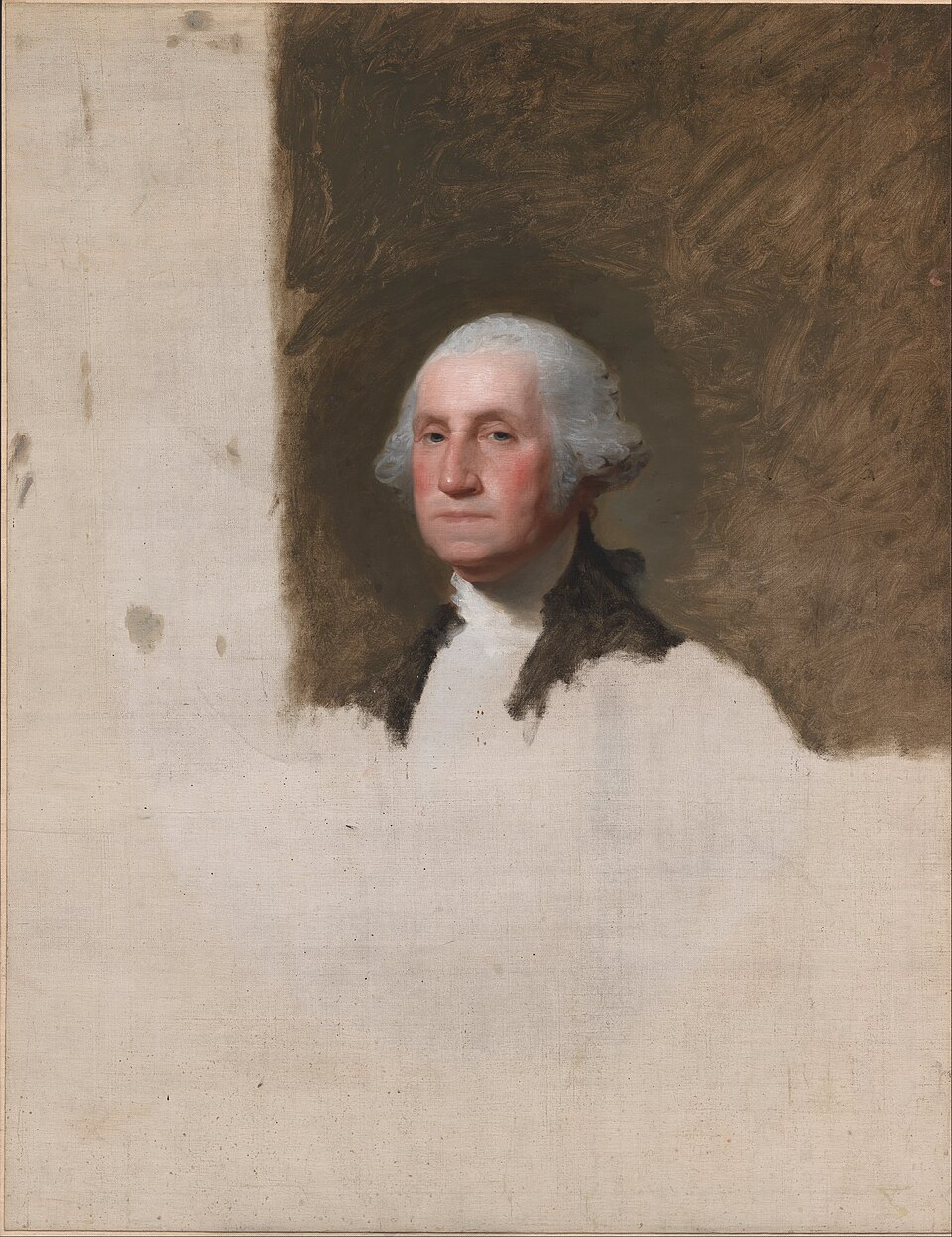
Signed the proclamation less than six months into his presidency, framing it as thanks for the chance to establish a government “for their safety and happiness” after years of war and uncertainty.
Key Moments
The U.S. House resolves that the president be asked to recommend a day of public thanksgiving; the Senate concurs the next day.
Washington signs the proclamation in New York City, naming Thursday, November 26 a day of thanks and prayer.
Americans observe the day. Washington’s own diary calls it “the day appointed for a thanksgiving,” and he gives money for food and beer to New Yorkers jailed for debt.
Seventy-four years to the day later, Abraham Lincoln, mid–Civil War, proclaims a new national Thanksgiving, the act now credited with starting the annual holiday.
Congress fixes Thanksgiving permanently to the fourth Thursday of November, reversing Franklin Roosevelt’s 1939 attempt to move the date for the retail calendar.
Did you know? Washington signed his Thanksgiving proclamation on October 3, 1789. Lincoln signed his on October 3, 1863, the same calendar date, seventy-four years apart.
This edition continues Specialty Digest’s daily walk through history: from the Gettysburg Address Lincoln delivered the same autumn as his own Thanksgiving proclamation to yesterday’s look at the British Army leaving the very city where Washington signed his, alongside today’s roundup of what else is happening in the world.
More in History